
Last updated October 9, 2026
Free roof inspection with deck photos before we talk money - GAF and Owens Corning certified installation
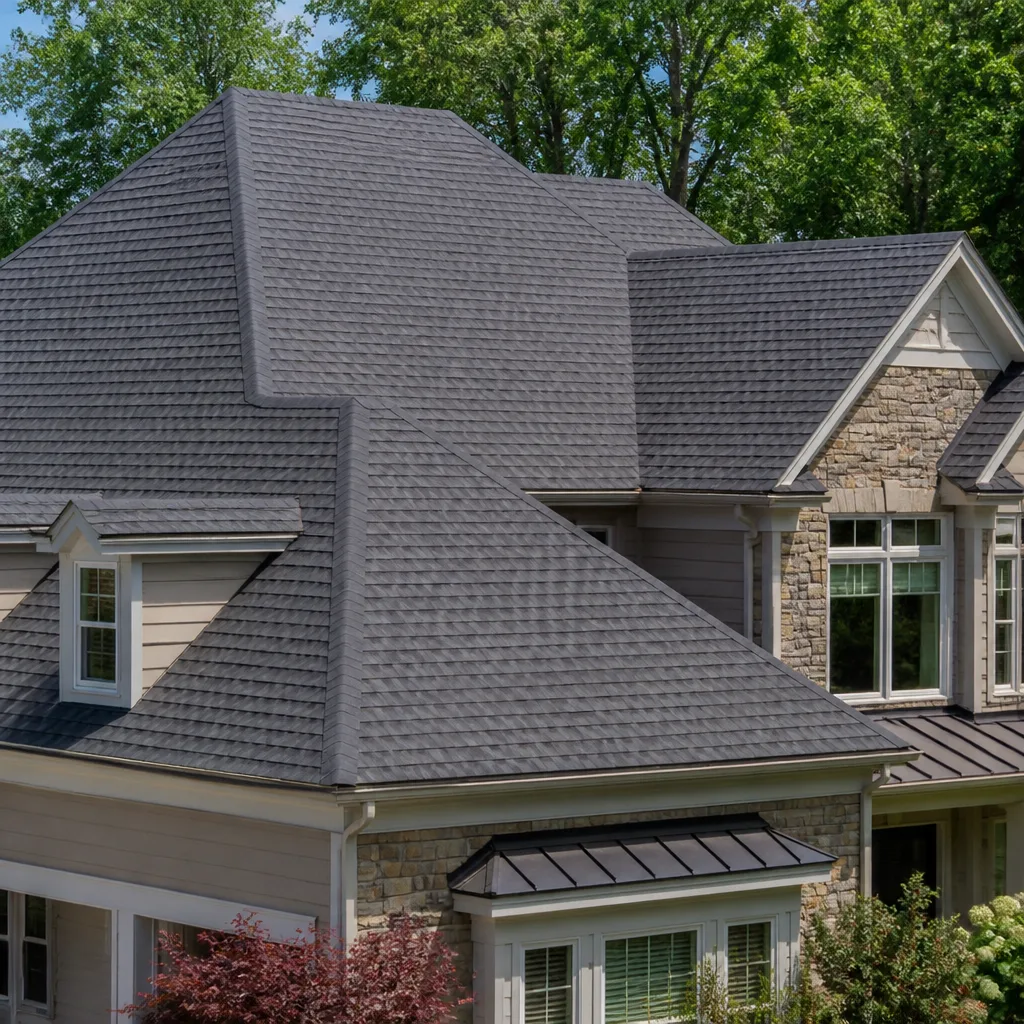
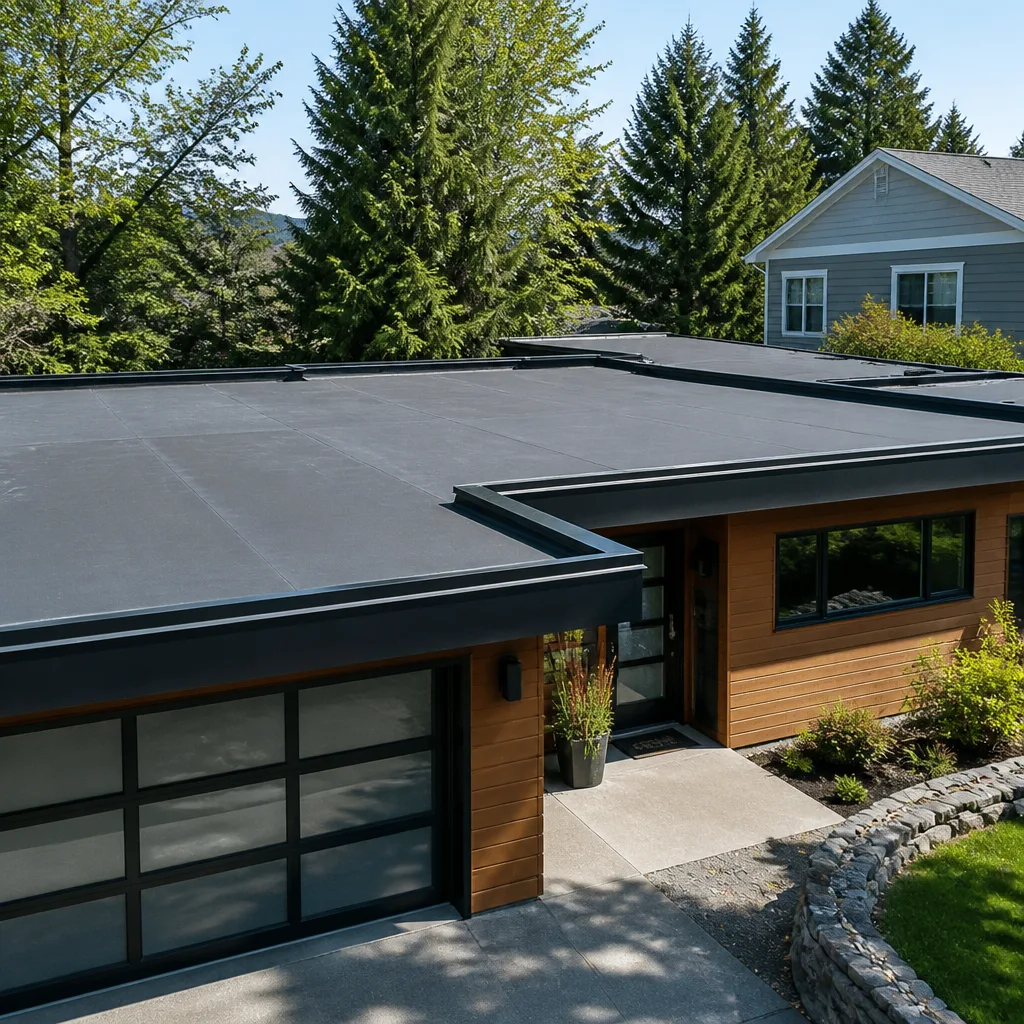
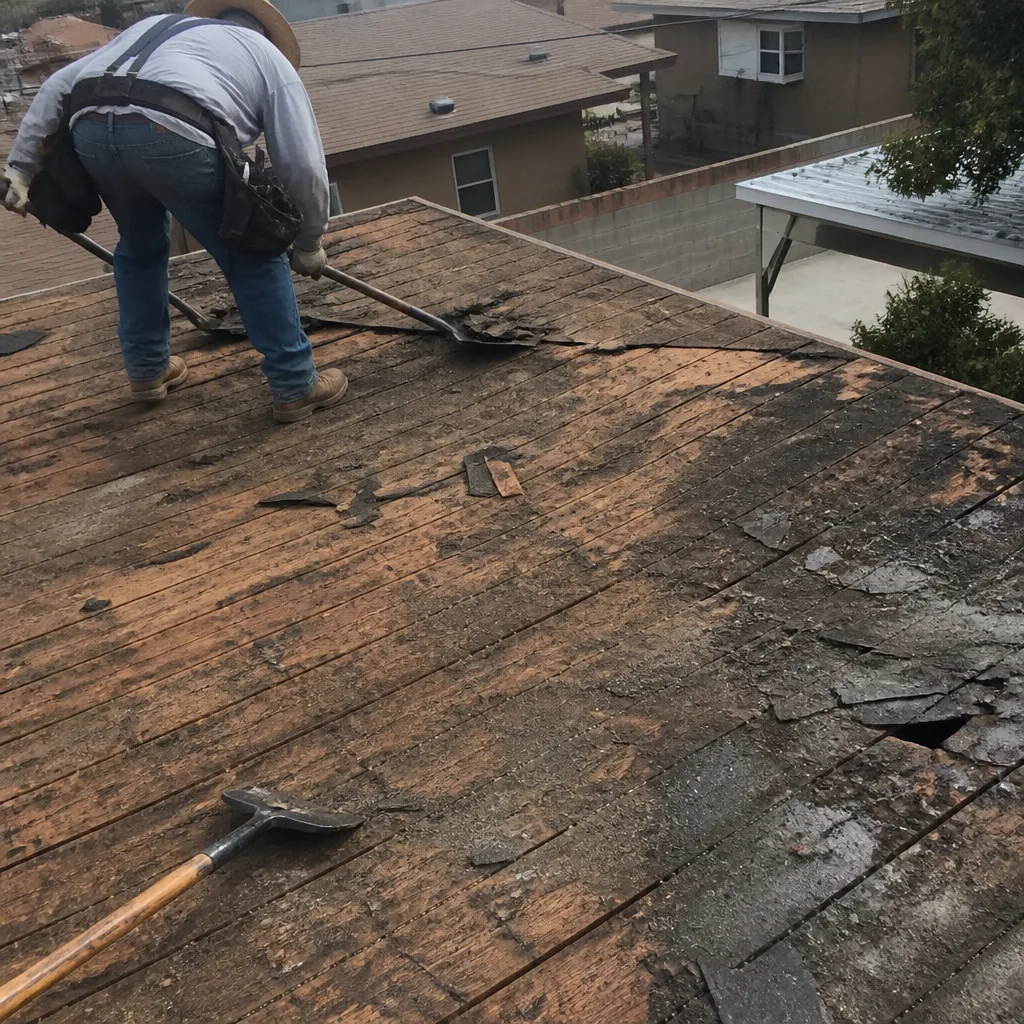 Before
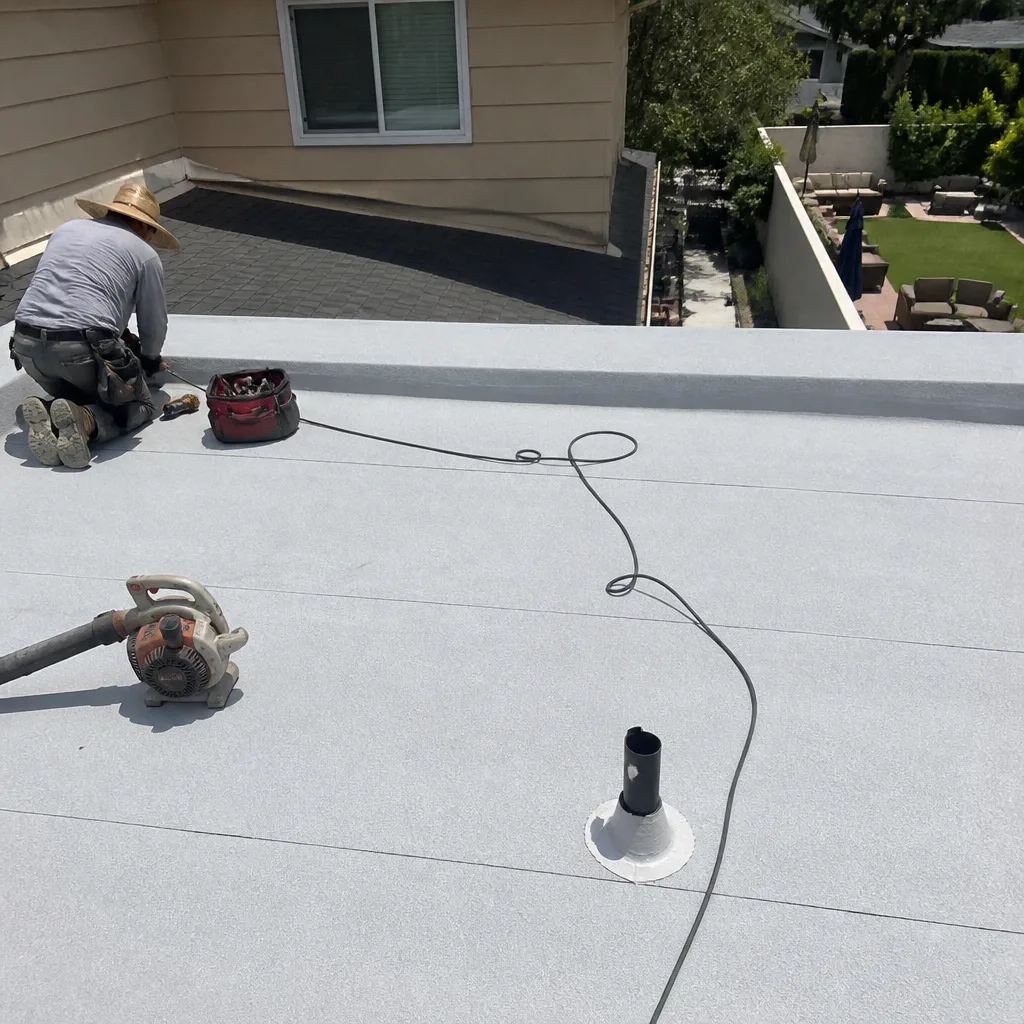 After
After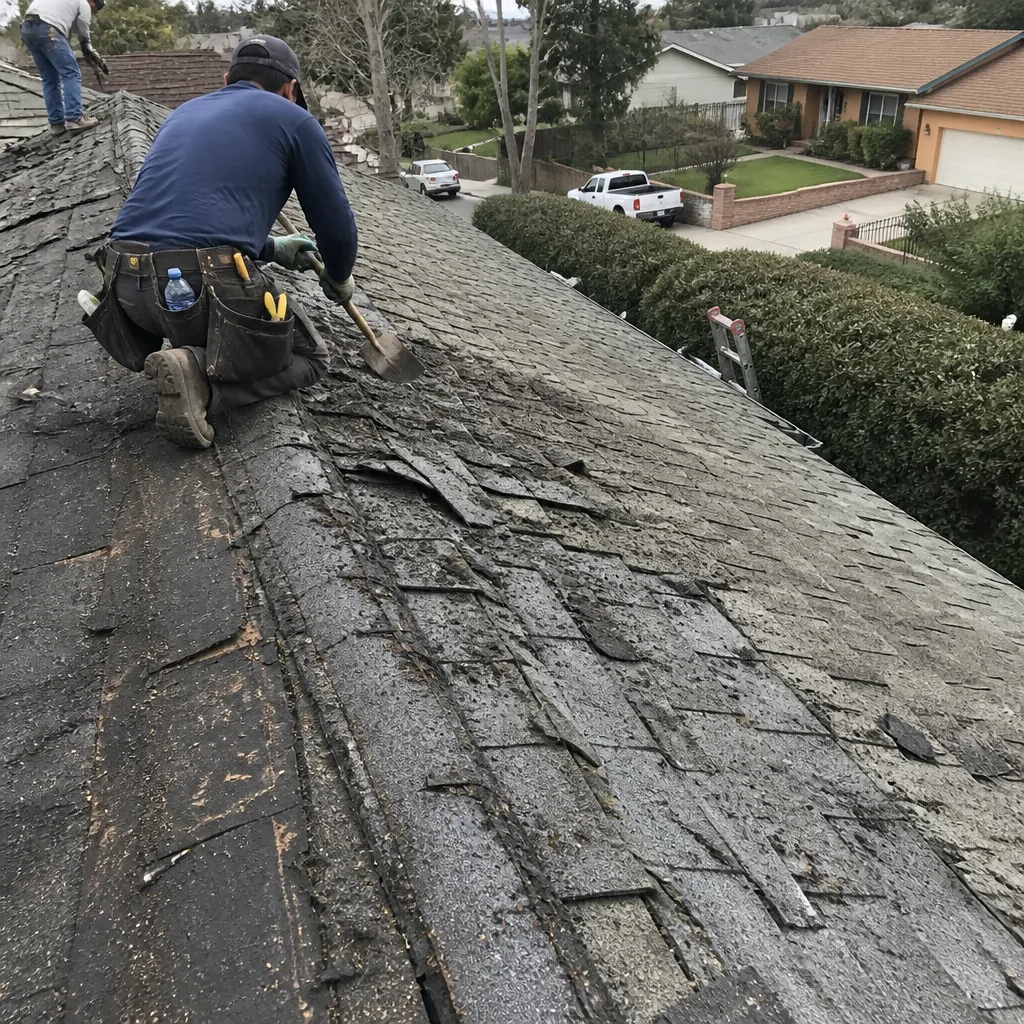 Before
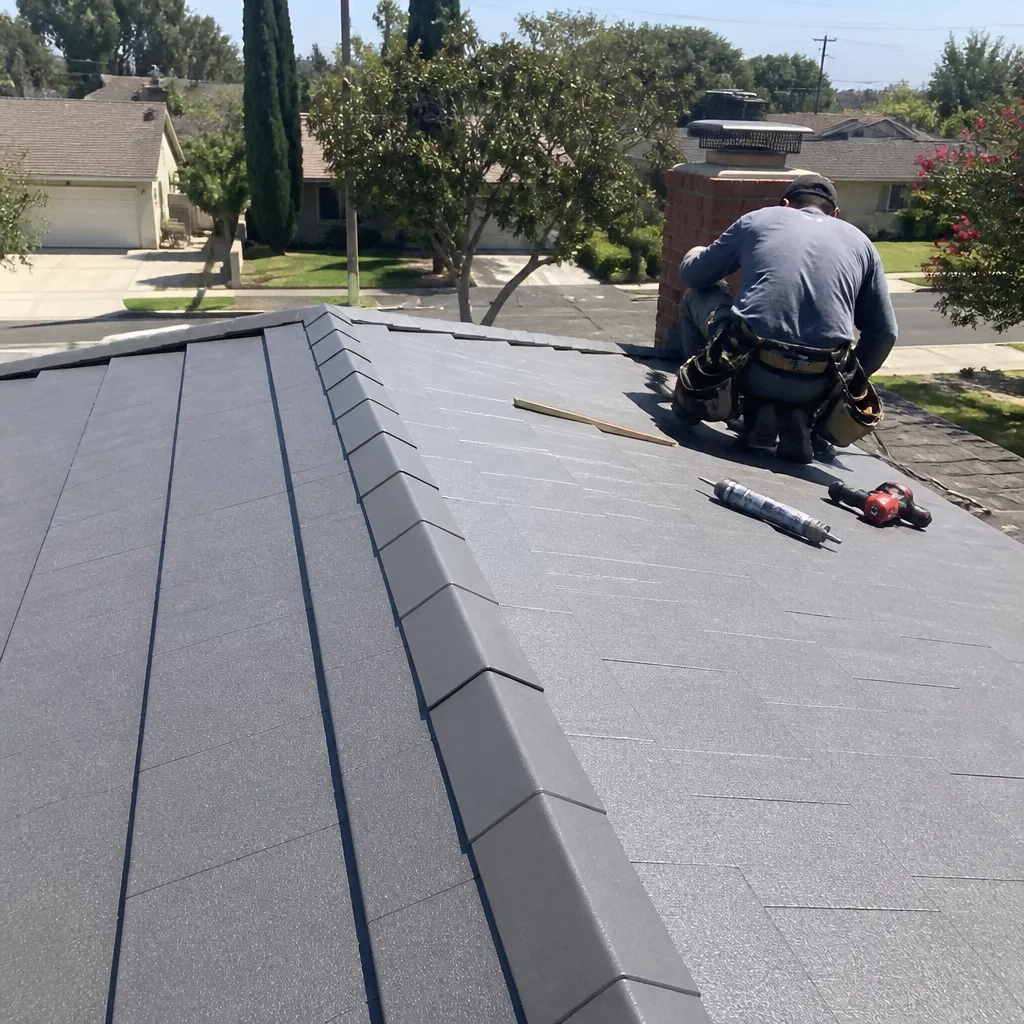 After
After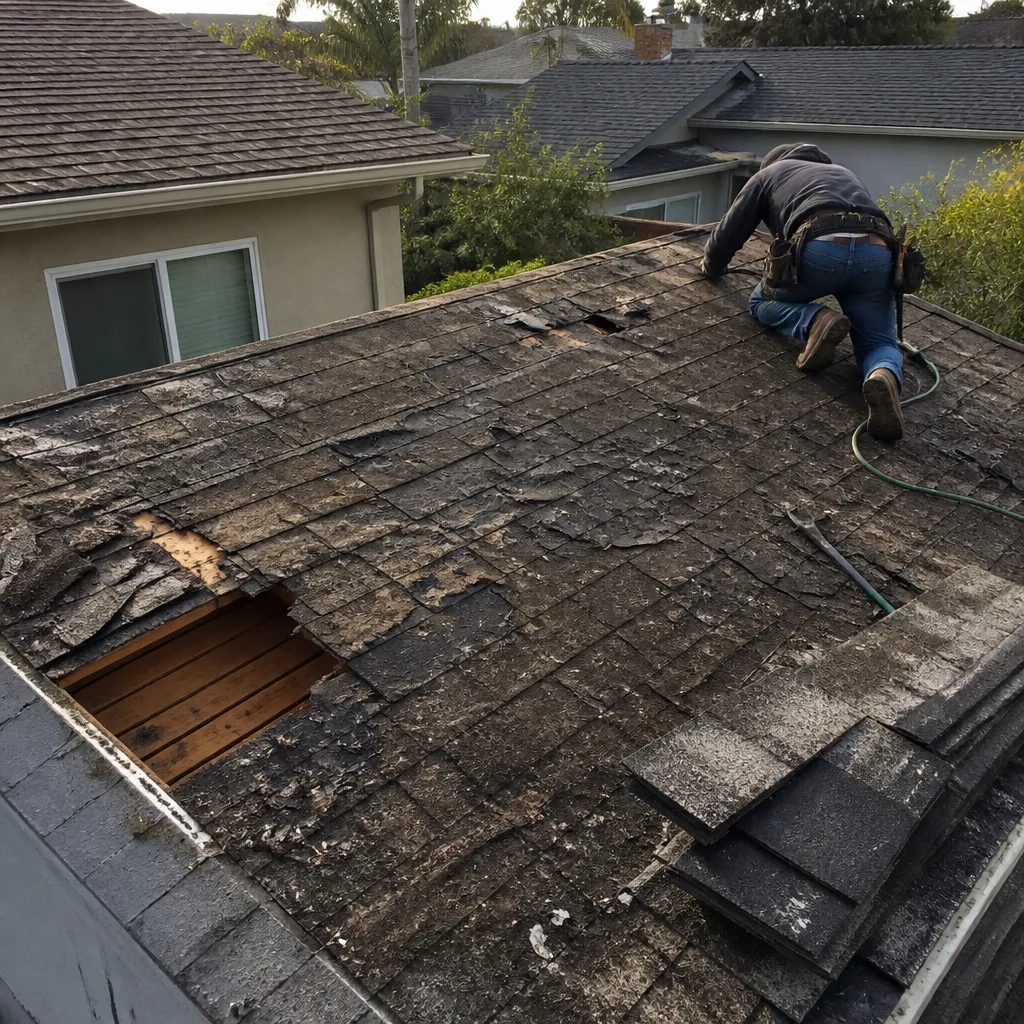 Before
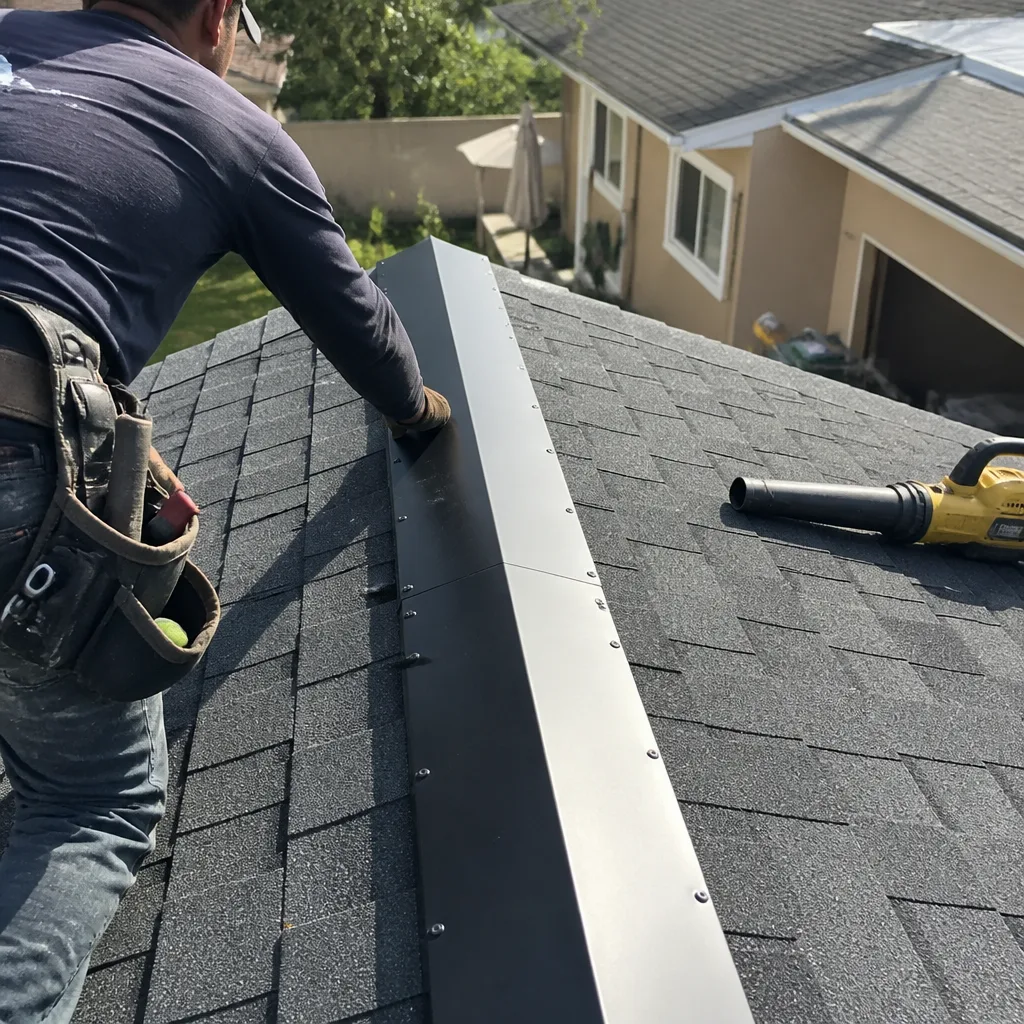 After
AfterHow to Hire a Roofing Contractor in Los Angeles: A Step-by-Step Guide
Here’s a counterintuitive fact about roofing in Los Angeles: the most dangerous moment in the entire process isn’t when someone climbs onto your roof. It’s when you open your front door. After every major Santa Ana wind event, unlicensed solicitors sweep through neighborhoods from Sherman Oaks to Pasadena within 48 hours, clipboard in hand, offering “storm specials” to homeowners who haven’t had time to think. The California State License Board receives hundreds of complaints every year from LA homeowners who hired someone before verifying a single credential. By the time they realize the contractor wasn’t licensed, wasn’t insured, and never pulled a permit, the damage is done. This guide walks you through hiring a roofing contractor in Los Angeles the right way, treating the decision as a security question first and a craftsmanship question second, and points you to more guides & resources once you’re ready.
Quick Answer
How to hire a roofing contractor in Los Angeles: Verify the contractor’s license on the CSLB website (look for C-39 classification), confirm workers’ compensation coverage directly with the insurer, demand a written scope of work with itemized pricing before signing anything, and never pay in full until the job passes inspection. The contractor who resists any of these steps, especially the credentials check, is telling you something important before you even open the door.
Table of Contents
- Step 1: Verify the License Before You Open the Door
- What C-39 and Other License Classifications Actually Mean
- Step 2: Confirm Workers’ Compensation Coverage Directly
- Step 3: What a Legal California Roofing Contract Must Include
- Step 4: Structuring Payments So You’re Never Overexposed
- Step 5: Know Exactly Who Will Arrive at Your Door
- Step 6: Questions to Ask About Materials and Scope
- Red Flags That Should End the Conversation
Step 1: Verify the License Before You Open the Door
Before a contractor sets foot on your property in Los Angeles, their California contractor’s license should already be verified. This takes under two minutes and it is the single most effective filter you have. Go to the CSLB website (cslb.ca.gov), click “Check a License,” and enter either the license number or the business name. What you’re looking for: an active license, zero suspensions, and a classification that matches roofing work.
We tell every homeowner we work with in Los Angeles to do this before scheduling the estimate. Not after. Not “when they arrive.” Before. A legitimate contractor expects this check and will happily provide their license number up front. A contractor who hedges, says they’ll “bring it later,” or claims their license is “being renewed” is giving you a reason to end the conversation right there.
Here’s the three-step check we recommend:
- Pull up the license on cslb.ca.gov. Confirm the status reads “Active” and the expiration date is in the future.
- Match the name. The name on the license should match the person or company you’re actually dealing with. “DBA” (doing business as) names should be listed.
- Check for complaints and legal actions. The CSLB license page shows any disciplinary actions. A few old resolved items aren’t necessarily a dealbreaker, but a pattern of unresolved complaints is.
In our experience across Los Angeles, from the hillside homes of Mount Washington to the flatlands of the Valley, the unlicensed solicitor problem is worst right after windstorms, when homeowners are stressed and want the problem solved fast. That urgency is exactly what the unlicensed operator is counting on. Taking two minutes on the CSLB site short-circuits the entire scam.
What C-39 and Other License Classifications Actually Mean
California doesn’t have a generic “contractor” license. Specific classifications govern specific types of work, and roofing has its own: C-39, the roofing contractor classification. If someone shows up in Los Angeles with a General B license and offers to reroof your home, that’s a red flag, not a technicality. A General B license does not authorize roofing work as a specialty.
Here’s what the relevant classifications mean in plain English:
- C-39 (Roofing Contractor): Licensed specifically to install, repair, and maintain roofs. This is the classification you want for any roofing work on your Los Angeles home.
- B (General Building Contractor): Authorized for projects involving two or more unrelated trades. A general contractor can oversee a roofing project, but if they’re doing the roofing work themselves, they should hold C-39 or have a C-39 subcontractor.
- C-15 (Flooring and Floor Covering): Not roofing. Not relevant. But we mention it because unlicensed solicitors sometimes show a C-15 or unrelated classification and hope homeowners don’t look closely.
The classification matters because it represents tested, specific knowledge. The C-39 exam covers roof decking, underlayment, flashing, ventilation, and the California Building Code provisions specific to roofing. Someone holding a C-39 has demonstrated knowledge of how roofs work in this state, including the wind uplift requirements that matter in Los Angeles communities exposed to Santa Ana conditions.
Beyond the license classification, Los Angeles also has its own local permitting requirements. Depending on the scope of work, reroofing projects in the City of Los Angeles generally require a permit through the Department of Building and Safety (LADBS). Your contractor should pull that permit, not ask you to pull it. A contractor who suggests skipping the permit to “save money” is asking you to assume legal and financial risk that belongs to them.
Step 2: Confirm Workers’ Compensation Coverage Directly
This is the step most hiring guides gloss over, and it’s the one that can cost a Los Angeles homeowner six figures. If a roofer is injured on your property and the contractor doesn’t carry workers’ compensation insurance, the homeowner can be held liable. It’s not theoretical. It’s how liability works in California.
Here’s the key distinction: you don’t just ask the contractor if they have workers’ comp. You ask for their carrier’s name and policy number, and then you call the insurance company directly to verify the policy is active. A certificate of insurance from the contractor is a piece of paper. Confirmation from the insurer is verification.
The exact questions to ask:
- “Who is your workers’ compensation carrier, and what’s the policy number?”
- “Can you provide a certificate of insurance from the carrier directly, not a photocopy?”
- “Is the policy currently active, and are all your workers covered under it?”
Any legitimate Los Angeles roofing contractor answers these questions without hesitation. The ones who get vague, say “it’s handled,” or promise to send it “after we start” are telling you they don’t have coverage. When we send a technician to a home in Los Angeles, that technician is background-checked, identity-verified, and covered, and the homeowner can confirm that before the door ever opens. The principle is simple: verify before you let anyone on your property.
Step 3: What a Legal California Roofing Contract Must Include
California law gives homeowners real protection here, but only if you know what to demand. A legitimate roofing contract in Los Angeles should be a written document that spells out exactly what’s being done, what it costs, and what happens if something goes wrong. Verbal agreements are not enough. Handshake deals are not enough.
Under California law, any home improvement contract over $500 must be in writing. For roofing, the number is always over $500. Here’s what the contract must include:
- Full scope of work. What exactly is being done: tear-off or overlay, underlayment type, shingle brand and color, flashing replacement, ventilation work, cleanup. If it’s not written down, it’s not part of the job.
- Itemized pricing. Not one lump sum. Labor, materials, disposal, permits, and any other line items separated out so you can see what you’re paying for.
- Payment schedule. When payments are due and how much. We’ll get to structure in the next section.
- Start and completion dates. Approximate, but written. Los Angeles weather is mild, but scheduling is real.
- License number. The same C-39 number you already verified on the CSLB site.
- Warranty terms. What’s covered, for how long, and what “covered” actually means.
And here’s the piece most Los Angeles homeowners don’t know they have: the three-day right to cancel. Under California and federal law, if a contractor solicits work at your home (meaning they came to you, not you to them), you have three business days to cancel the contract in writing for a full refund, no questions asked. The contract must include a written notice of this right. If it doesn’t, that’s a legal problem for the contractor and a red flag for you.
Our contracts include every one of these items, including the three-day cancellation notice, because a written agreement protects both sides. The homeowner knows what they’re paying for, and we know what we’re expected to deliver.
Step 4: Structuring Payments So You’re Never Overexposed
The goal of your payment structure is simple: at no point should the contractor hold more of your money than they’ve earned in completed work. If you’re fully paid before the job is done, you’ve lost your leverage. If you’ve paid nothing, no legitimate contractor can start. The right structure sits in the middle.
A reasonable payment structure for a Los Angeles roofing project looks like this:
- Deposit: 10 to 15 percent, or whatever California law allows (which is the lesser of 10 percent or $1,000 for home improvement contracts). This reserves your spot and covers initial materials ordering.
- Progress payments: Tied to milestones, not calendar dates. For example, a payment when the old roof is removed and the decking is inspected, another when the underlayment and flashing are installed, another when the shingles are on.
- Final payment: Held until the job passes inspection, the permit is signed off, and you’ve done a walkthrough. This last point matters: you should never make the final payment until the work has been inspected and approved by the local building department in Los Angeles.
Any contractor who demands 50 percent up front or asks for full payment before the work is complete is violating the spirit of California’s consumer protection laws, and possibly the letter of them. A legitimate roofing company has operating capital and doesn’t need your entire payment in advance to function. When you hear “we need 50 percent to buy materials,” what you’re hearing is a company that either doesn’t have the capital to operate properly or is planning to disappear once the check clears.
Step 5: Know Exactly Who Will Arrive at Your Door
This is where we diverge from every other Los Angeles roofing guide you’ll read, because this is the part most companies won’t talk about. You’ve verified the license. You’ve checked the workers’ comp. You’ve got a written contract. And then, on the morning of the job, a stranger knocks on your door. Do you know who that person is?
For most roofing companies, the answer is no. A crew of subcontractors shows up, possibly charming, possibly not, and you’re expected to let them into your home and around your property based on… a truck with a logo, maybe. For a homeowner who is home alone, or a parent with young children, or an older homeowner in Los Angeles who has heard one too many stories about door-to-door scams, that’s not good enough.
Here’s what should happen before any technician arrives at your door:
- You receive their name and photo in advance. Not “our crew will be there Tuesday morning.” A specific person, with a specific face, so you know who to expect.
- They arrive in uniform with a photo ID badge. The badge matches the photo you received. The name matches the name you received. The person at the door is the person you were told was coming.
- They bring the written scope of work with them. The same document you signed, so there’s no confusion about what’s being done today.
This is the standard we built Mercer Roofing around, and it comes from a specific observation: the homeowner’s genuine fear isn’t of bad shingles. It’s of a stranger at the door. Every Mercer technician in Los Angeles is background-checked, identity-verified, and dispatched under the Threshold Standard, which requires a photo ID badge and a clean, marked uniform on every visit. Your technician’s name and photo are sent to you before they arrive. There is no mystery at the door. There’s only proof.
Step 6: Questions to Ask About Materials and Scope
Once the security questions are settled, the quality questions begin. These are the conversations to have before you sign, and they’ll tell you a lot about the contractor you’re dealing with. A good Los Angeles roofing contractor answers these questions specifically, with real information. A bad one answers generally, with platitudes.
Questions worth asking:
- “What underlayment are you using, and why?” Underlayment is the waterproof barrier between your decking and your shingles. In Los Angeles, where we get intense sun followed by sudden heavy rain, the underlayment choice matters. A contractor who says “standard stuff” hasn’t thought about your roof. One who specifies a synthetic underlayment or explains the difference between asphalt-saturated felt and synthetic alternatives knows their trade.
- “What’s the ventilation plan?” Attic ventilation affects roof lifespan, energy bills, and moisture buildup. Your contractor should be able to explain how they’re ventilating your roof and why it’s adequate for a Los Angeles climate.
- “What shingle brands do you work with?” We install and repair using manufacturer-recognized shingle brands including GAF, CertainTeed, Owens Corning, IKO, Atlas, Tamko, and Boral. The specific brand matters less than the fact that it’s a recognized manufacturer with documented performance and warranty backing. Watch out for off-brand or unbranded shingles being sold as “just as good.”
- “What does the warranty actually cover, and for how long?” This is where vague language costs homeowners real money. “We stand behind our work” means nothing. “365 days, and if the repair fails within that window, we return for a second visit free” means something. Every Mercer repair includes a written guarantee, and that guarantee has a number attached: 365 days. If the work isn’t right within a year, we make it right. That’s the entire sentence.
- “Who handles the permit?” Your contractor should. If they want you to pull it, they’re either unlicensed or trying to shift liability onto you. Neither is acceptable.
And one more thing: ask about the written price. You should have a written price before any work starts, every time. Not an estimate that might change. A written price. If the contractor won’t commit to a number in writing, the number isn’t real.
Red Flags That Should End the Conversation
Some warning signs are obvious. A contractor who won’t show a license, demands cash, or pressures you to sign today is clearly a problem. But the more dangerous red flags in Los Angeles are the subtle ones, the ones that feel reasonable in the moment but signal trouble underneath.
- “We’re working in your neighborhood anyway, so we can offer a discount.” After windstorms, this is the classic unlicensed solicitor script. The CSLB sees this pattern constantly. Legitimate roofing contractors in Los Angeles don’t work neighborhoods like a traveling carnival.
- “You can skip the permit, it’ll be faster.” No. Permits protect you. The City of Los Angeles requires permits for most reroofing work, and skipping them saves the contractor time and money while transferring risk to you.
- “We need the deposit in cash.” Cash payments leave no paper trail. Legitimate contractors accept checks, cards, and traceable payment methods. Cash-only is how unlicensed operators avoid accountability.
- “The crew’s workers’ comp is handled by the crew themselves.” If the contractor uses subcontractors, the sub’s insurance status is the contractor’s responsibility to verify and stand behind. Passing that buck to you is a liability handoff.
- “I’ll send over the contract after we get started.” No. Written contract first, signed by both parties, with the three-day cancellation notice included. Work starts after the paperwork, never before.
- Pressure to decide today. A legitimate roofer wants you to feel confident in your decision. Anyone rushing you is working against your judgment, not with it. Take the time to verify everything.
- A price too good to be true. It is. In Los Angeles, as everywhere else, roofing materials and labor have real costs. A bid far below market means corners will be cut somewhere, and you’ll pay for those corners later.
Common Mistakes to Avoid
- Skipping the license check because the contractor seemed nice. Nice is not a credential. The CSLB check takes two minutes and it’s the difference between a licensed professional and a charming stranger. In Los Angeles, where post-storm solicitors are a known problem, those two minutes matter.
- Trusting the certificate of insurance without calling the insurer. Paper can be forged or outdated. A two-minute phone call to the carrier confirms the policy is active. This is the single most overlooked step in contractor hiring, and the one with the biggest liability exposure.
- Paying a deposit larger than what California allows. California caps home improvement deposits at the lesser of 10 percent or $1,000. If a contractor asks for more, they’re either ignorant of the law or counting on you being ignorant of it. Neither is good.
- Not getting the three-day right-to-cancel notice in writing. If a contractor solicits work at your home in Los Angeles, you have three business days to cancel. The notice must be in the contract. Its absence is a legal red flag and a sign the contractor doesn’t follow the rules.
- Hiring based on the lowest bid alone. Roofing is not a commodity. Two bids for the “same roof” can differ by thousands because one includes proper underlayment, permit fees, and warranty coverage, and the other doesn’t. Compare scope, not just price.
- Not knowing who will actually be at the door. For many homeowners, the crew that arrives is a complete unknown. You have every right to know who’s coming to your home, to see their ID, and to have received their name and photo in advance. Any company that can’t tell you who they’re sending is not protecting you.
- Making the final payment before inspection sign-off. In Los Angeles, the final payment should wait until the permit is signed off by LADBS and you’ve walked the job. Paying before inspection means paying before proof.
When to Call a Professional
Some roofing situations are watch-and-wait. Others need a professional now. Call a licensed Los Angeles roofing contractor when you see: missing or lifted shingles after a windstorm, water stains on ceilings or walls, granules collecting in gutters (a sign of shingle deterioration), daylight coming through attic boards, or flashing that’s pulling away from chimneys or vents. Any of these means water is getting somewhere it shouldn’t. The repair cost now is almost always less than the remediation cost later. If you’re not sure what you’re looking at, that’s also a reason to call. Mercer Roofing offers free estimates in Los Angeles – call (743) 200-8347 and a live person answers, 24/7. Not a voicemail. Not a callback form. A human being.
Frequently Asked Questions
In Los Angeles, a full asphalt shingle roof replacement typically ranges from $8,000 to $18,000 for an average single-family home, depending on roof size, pitch, tear-off requirements, and shingle brand. Repairs are significantly less, often $350 to $1,200 for localized issues like flashing replacement or shingle repair. The best way to get an accurate number is a written, itemized estimate with the full scope spelled out. Call (743) 200-8347 for an exact quote – estimates are free.
Most asphalt shingle roof replacements in Los Angeles take 2 to 5 days from tear-off to final inspection, depending on roof complexity, weather, and crew size, though you can consult our Roof Installation Maintenance Schedule: What to Do and When for a fuller timeline. The inspection scheduling with LADBS can add a few days on either end. Your contract should state approximate start and completion dates, and your final payment should wait until inspection sign-off.
Yes, most reroofing projects in the City of Los Angeles require a permit through the Department of Building and Safety (LADBS). Your roofing contractor should pull the permit, not you. A contractor who suggests skipping the permit is asking you to assume legal and financial risk.
The C-39 is the California contractor license classification specifically for roofing work. It means the license holder has passed the state exam covering roof construction, materials, and building code requirements. For any roofing job on your Los Angeles home, your contractor should hold an active C-39 license that you’ve verified on the CSLB website.
Go to cslb.ca.gov, click “Check a License,” and enter the contractor’s license number or business name. Confirm the license is active, the classification is C-39 for roofing, and the name matches the company you’re dealing with. The whole process takes under two minutes.
Trust your instincts and do not open the door. You are never obligated to let anyone into your home because they knocked. This is exactly why we send every Mercer Roofing technician’s name and photo before the visit and require a photo ID badge at the door. You should know who’s coming, and they should be able to prove who they are. If they can’t, they don’t come in. Call (743) 200-8347 if you want a roofing company that takes this standard seriously.
The Bottom Line
Hiring a roofing contractor in Los Angeles is a security decision before it’s a quality decision. Verify the C-39 license on the CSLB website. Confirm workers’ compensation directly with the insurer. Demand a written contract with itemized pricing, the three-day cancellation notice, and a payment structure that never puts you overexposed. Know exactly who will arrive at your door, and require proof when they do. These steps take an hour total, and they’re the difference between a protected home and an expensive mistake. Mercer Roofing was founded in 2000 and is part of the Threshold Group family. We built our company around the idea that homeowners deserve to know who’s coming and what they’re paying, in writing, before a single nail is driven. If that sounds like the way roofing should work, call (743) 200-8347 for a free estimate. Learn more about our Roof Repair in Los Angeles, explore our Roof Installation in Los Angeles services, or read more about our Roofing Company in Los Angeles. Start with the Mercer Roofing home page for a full overview.
Written by Grant Whitlock, Owner at Mercer Roofing, serving Los Angeles since 2000.