
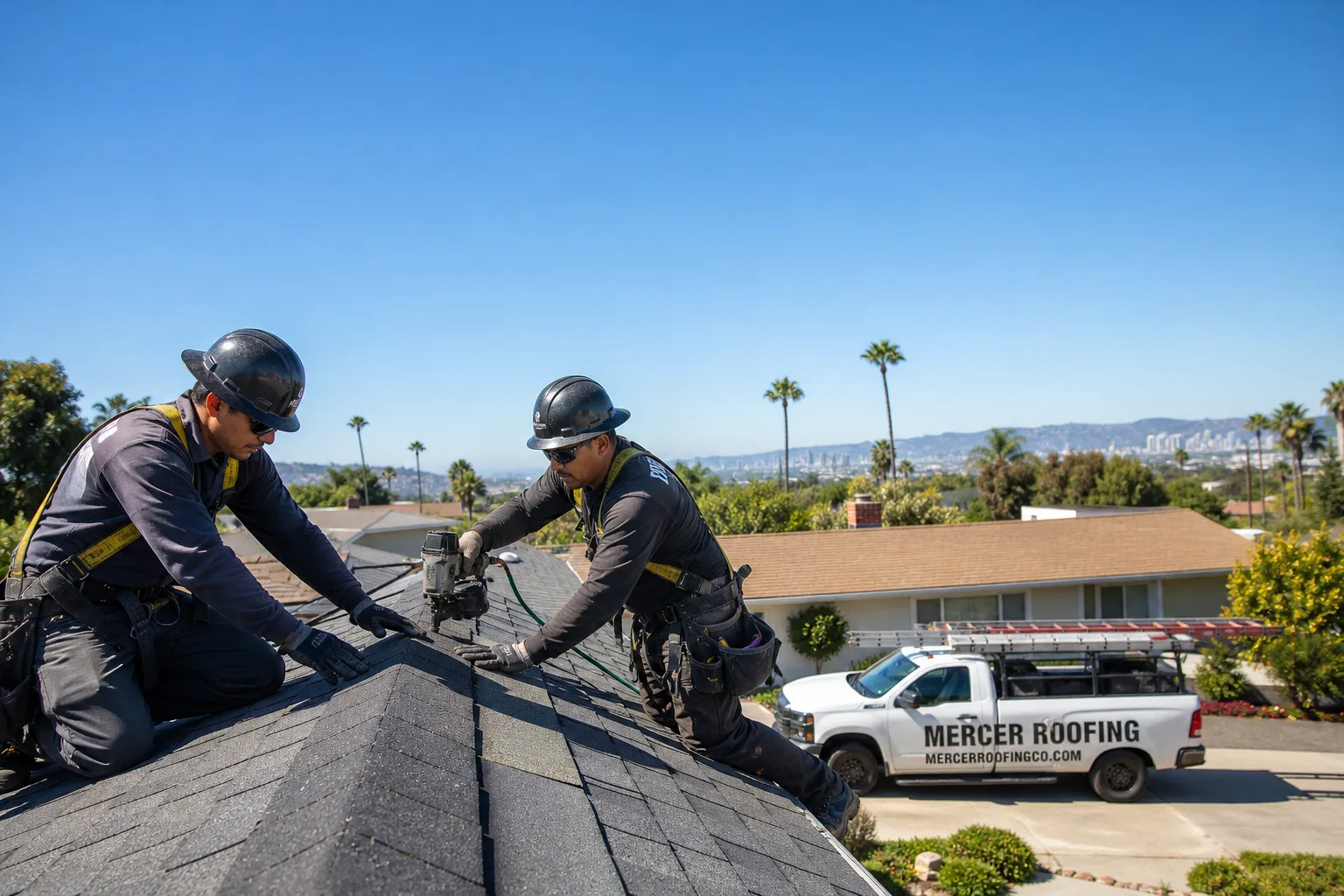
Free roof inspection with deck photos before we talk money - GAF and Owens Corning certified installation
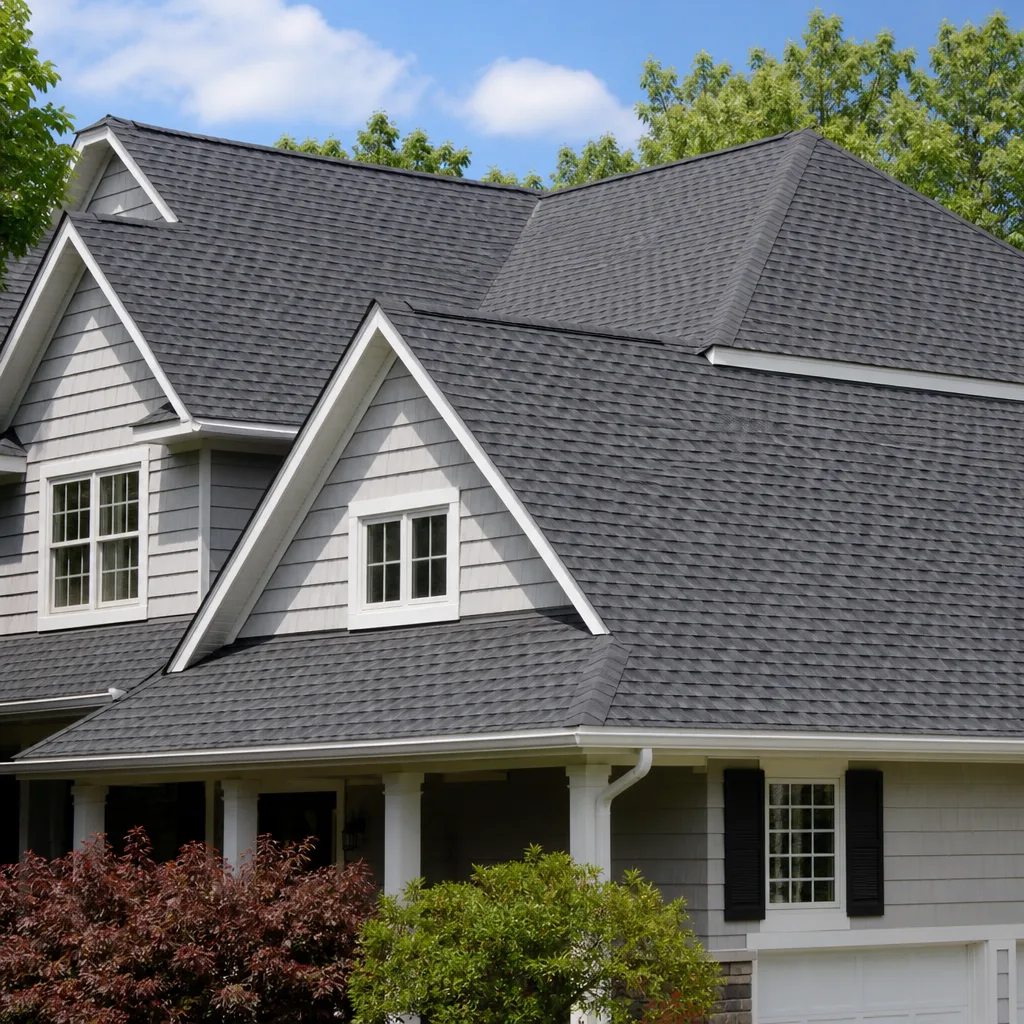
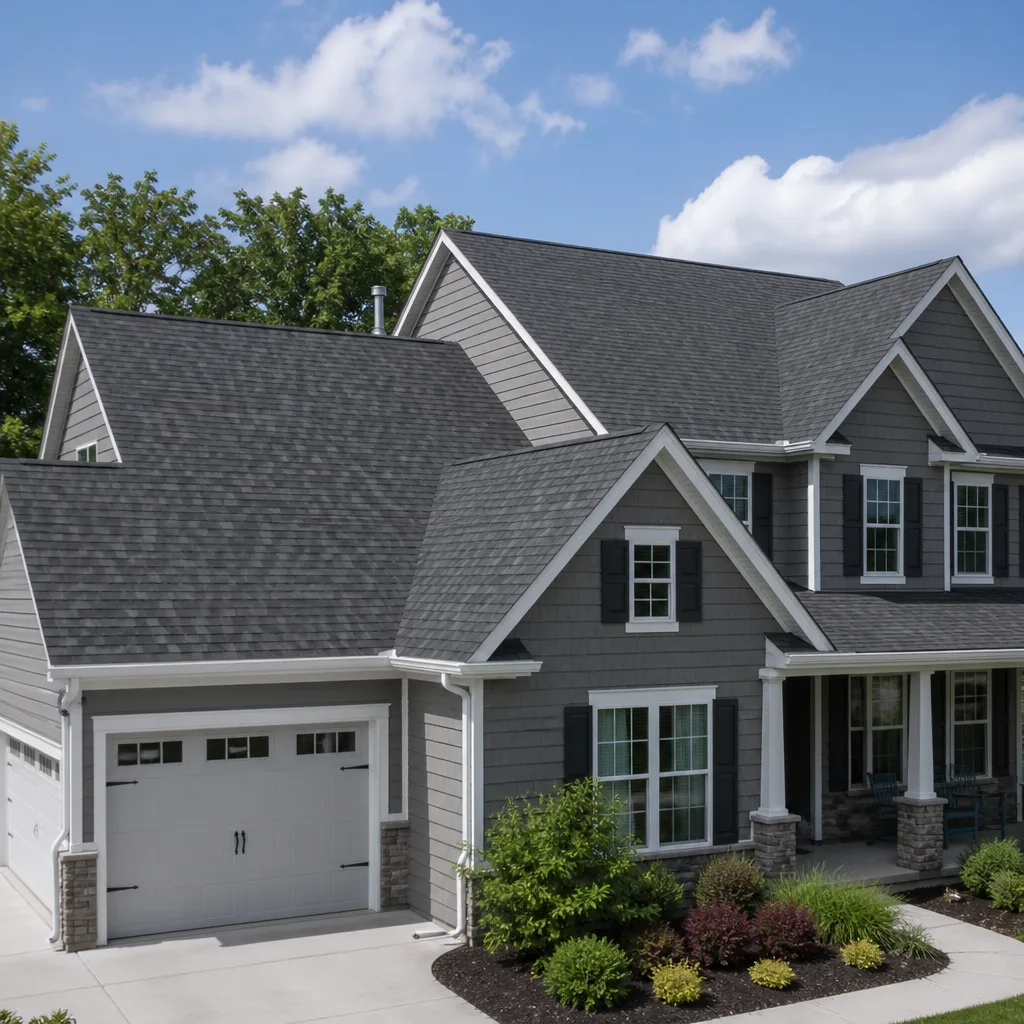
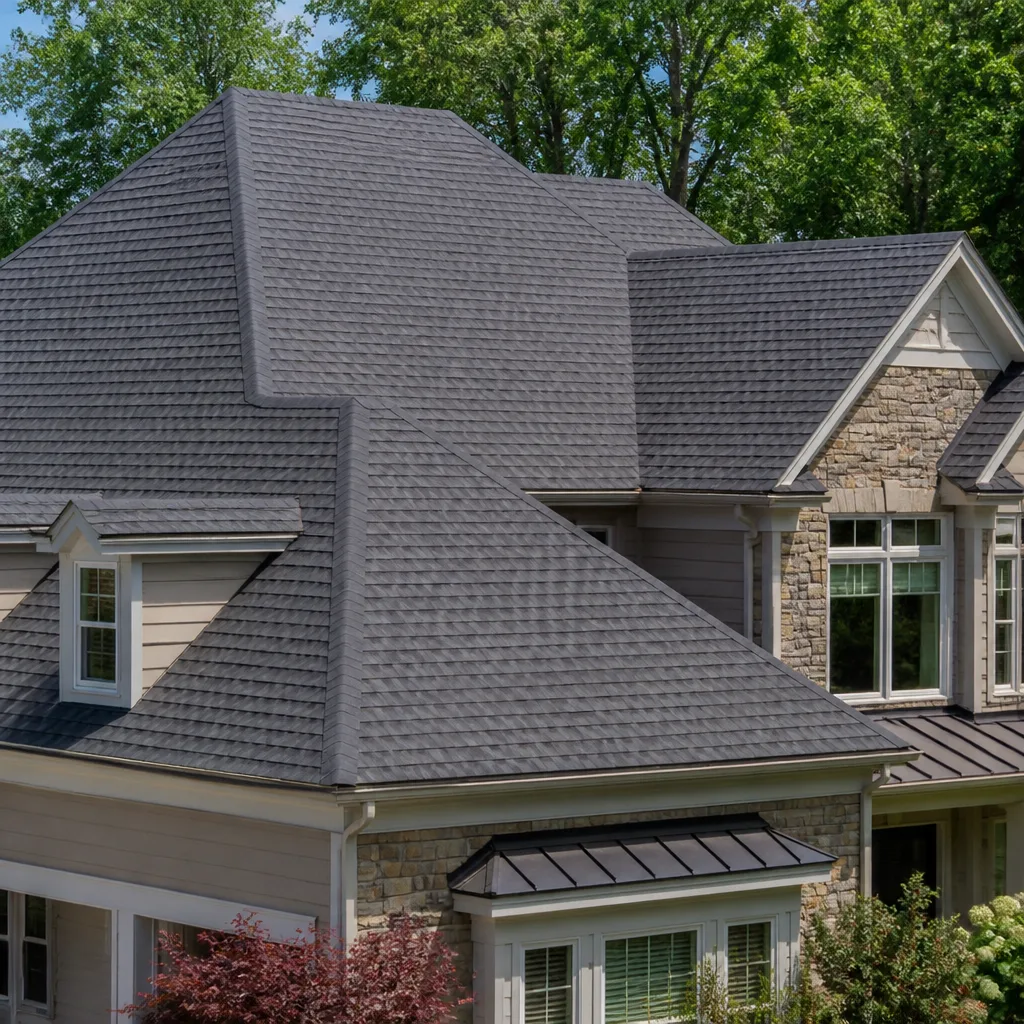
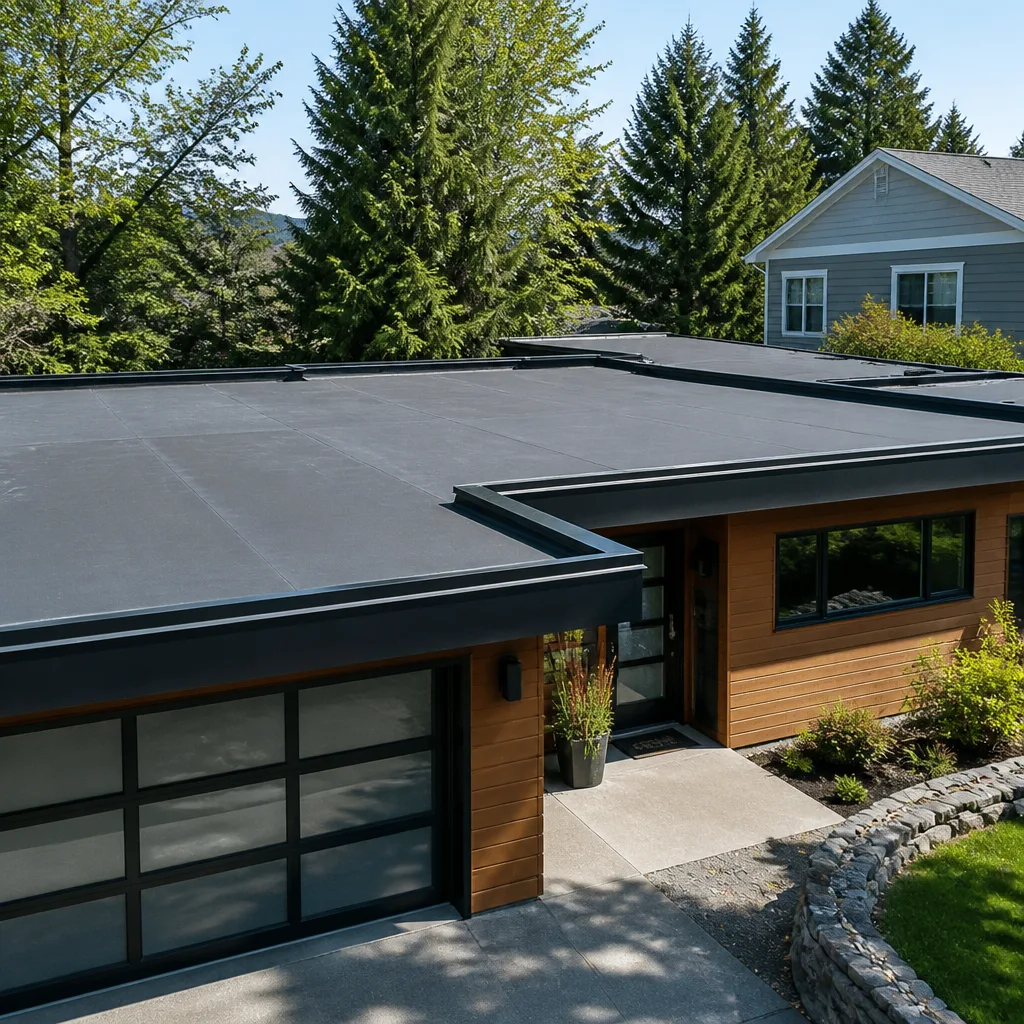
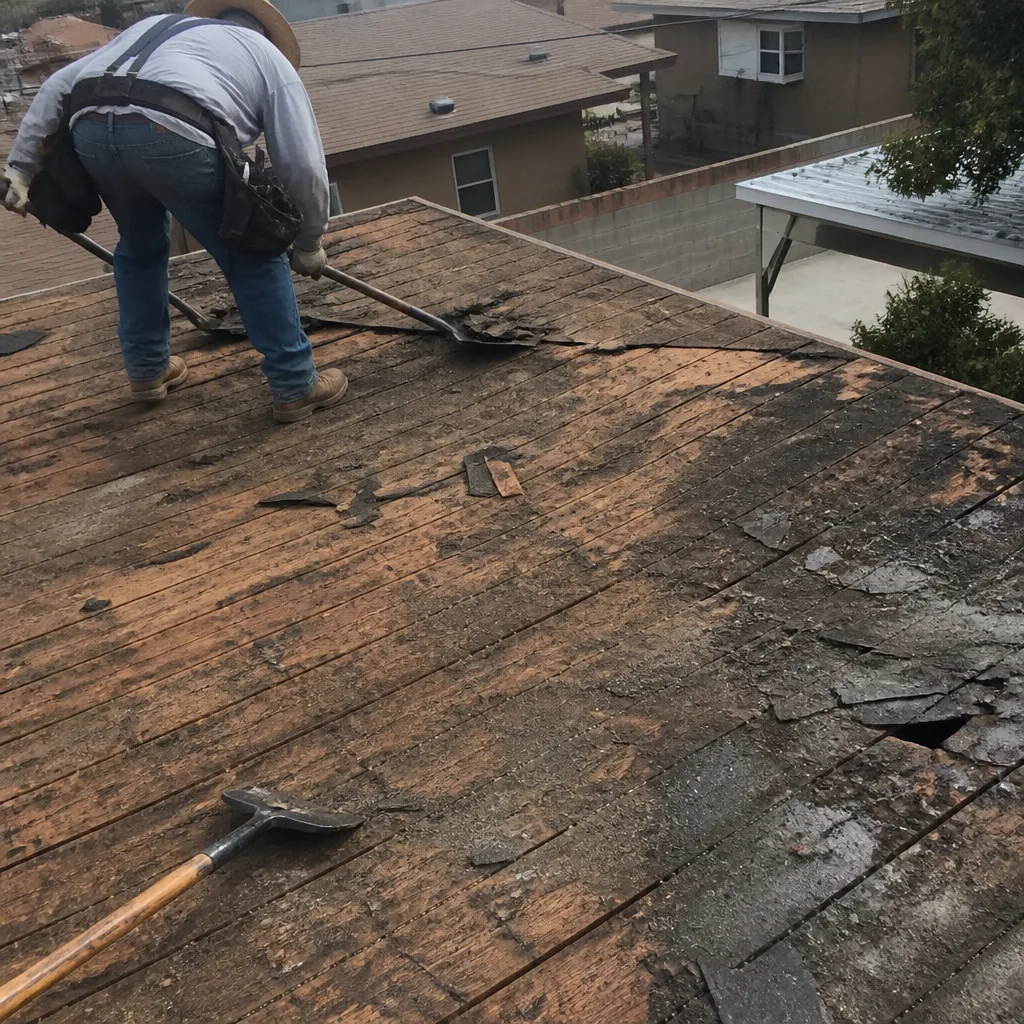 Before
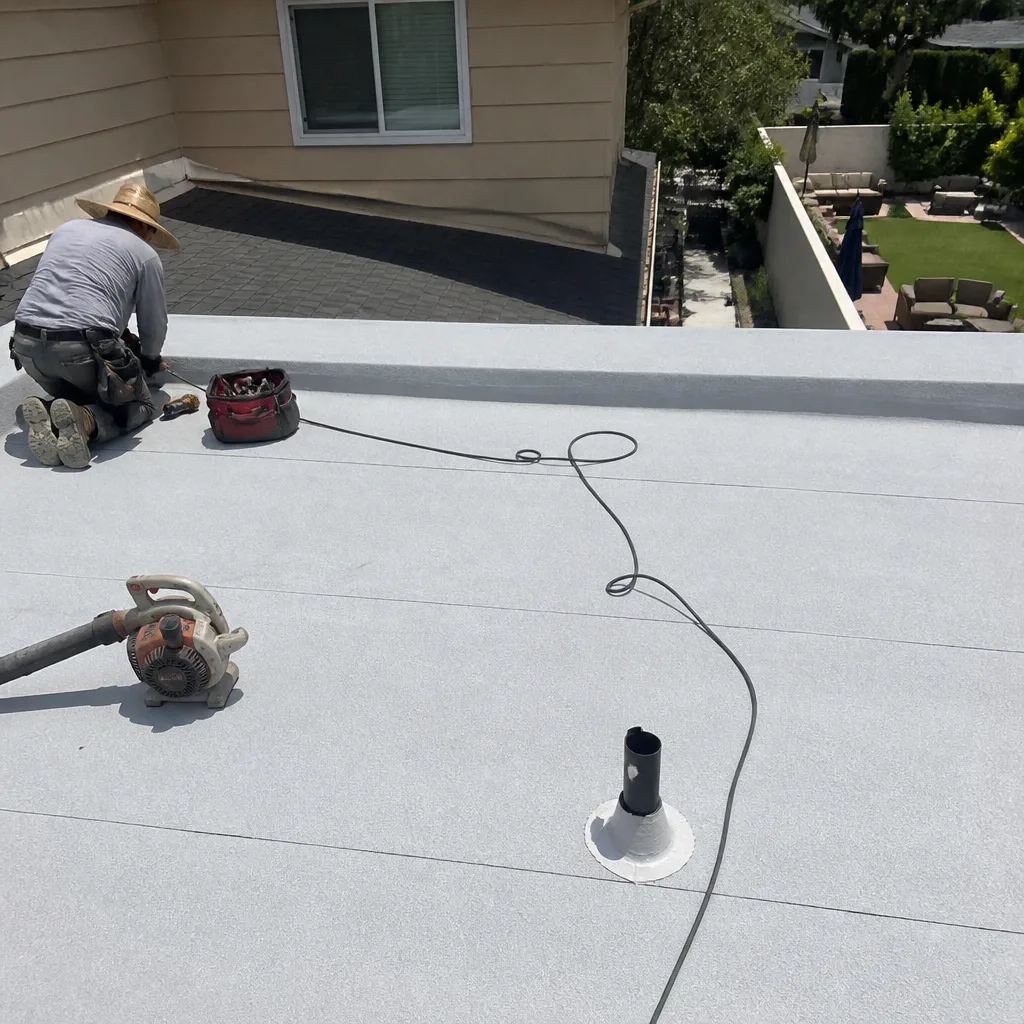 After
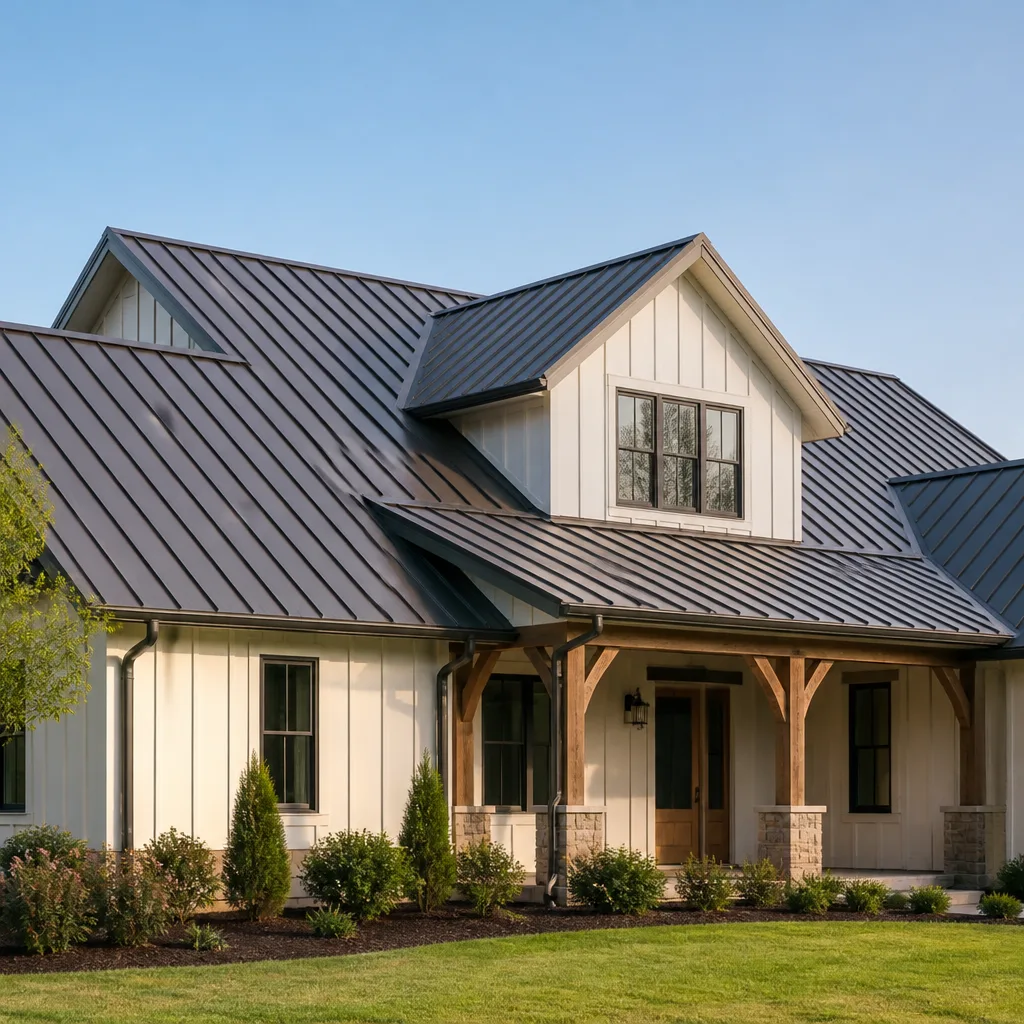
After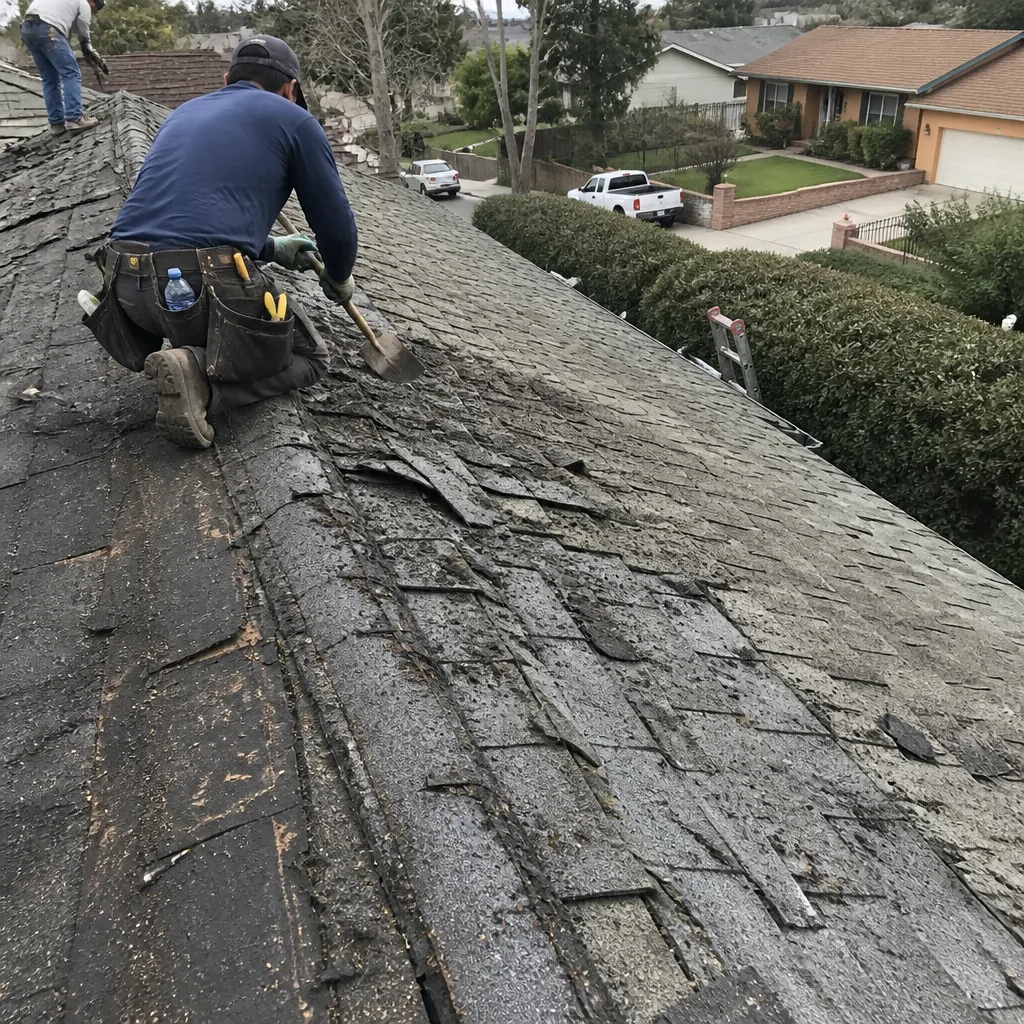 Before
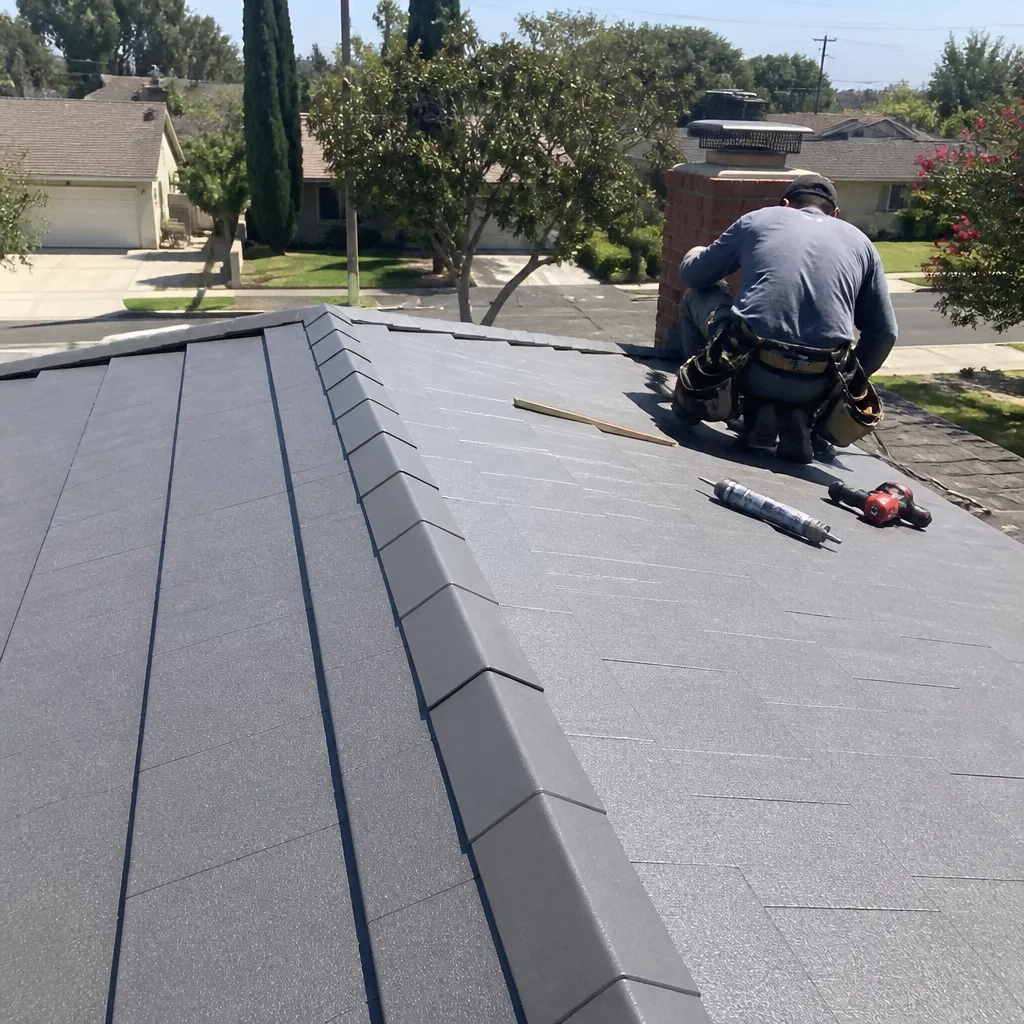 After
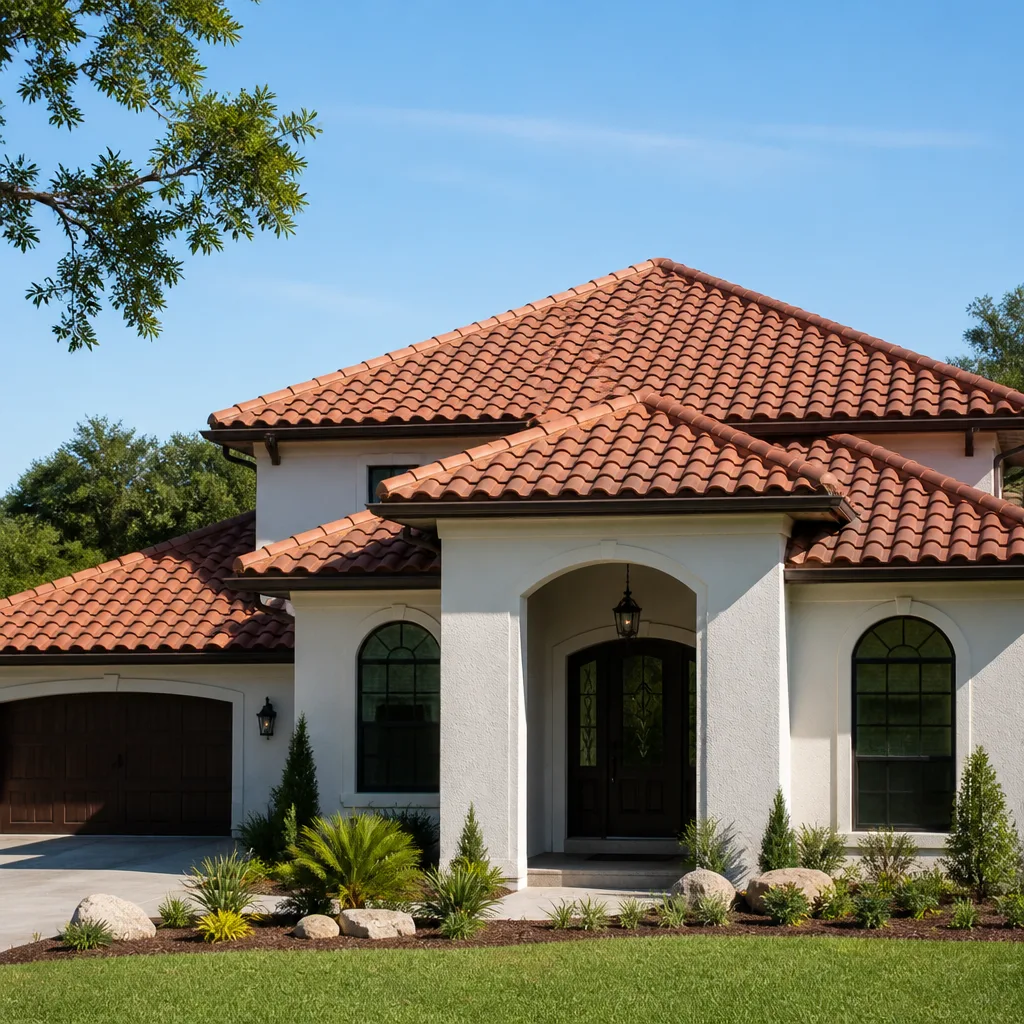
After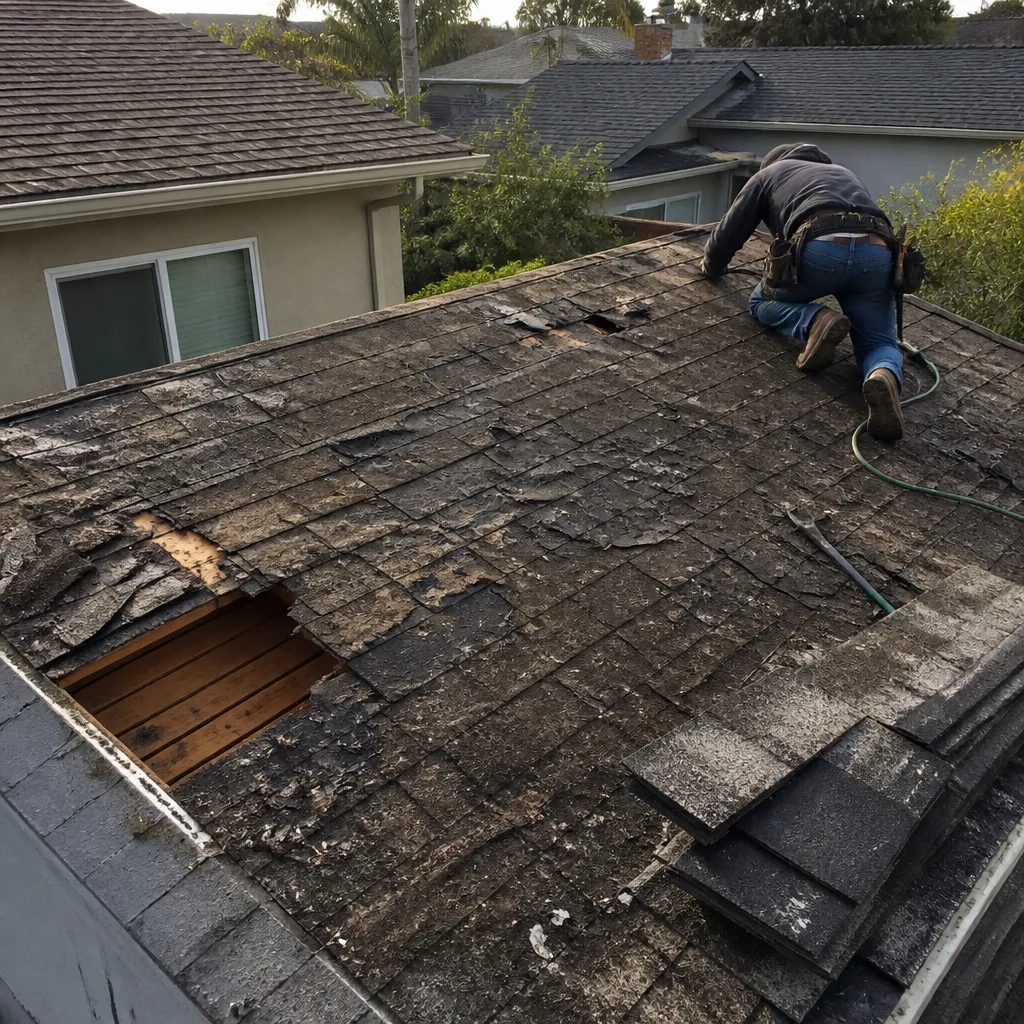 Before
 After
AfterFast, Reliable Roof Installation Across Country Club
Roof installation in Country Club runs $9,800 – $24,500 for a typical concrete-block single-family home, with full barrel-tile tear-offs and HVHZ-compliant re-decks making up most of the work we do here. The big variable is underlayment: by the time tiles come off a 1990s home, the felt underneath is usually gone, which means new decking prep, a Miami-Dade NOA-approved secondary water barrier, and a county inspection before the job closes. We’ve been serving this community since Mercer Roofing was founded in 2000, and our crews know Country Club’s housing stock block by block. Call (743) 200-8347 and we’ll walk your roof with you, put the price in writing, and never start a nail until you’ve approved the line items.
This page is specifically about Roof Installation work in Country Club, so we’ll cover what the county actually requires here, what the common failure looks like on a 1990s barrel-tile roof, and what a compliant quote includes that a cheap one leaves out. Every home we roof in this community gets the same written-price commitment, the same photo-badged technician at the door, and the same 365-Day Done Right Promise.
Why Mercer Roofing Is Country Club’s Preferred Roof Installation Company
Mercer Roofing is part of the Threshold Group family of home-service companies, founded in 2000, and our Country Club customers keep calling us back for a reason that has nothing to do with marketing: we send a technician’s name and photo before the visit, and that technician shows up badged, uniformed, and background-checked under the Threshold Verified standard. In a neighborhood where homeowners are often home alone with young kids or have elderly parents inside, knowing exactly who is at the door before you open it matters as much as the craftsmanship. That standard is contractual, not aspirational – every independently owned Threshold Group location is held to it.
Grant Whitlock leads our roofing team, and he’s been clear with every crew about how Country Club jobs are priced: fixed, written, and itemized before any tear-off begins. We don’t give verbal estimates and then discover a “decking surprise” at invoice time. The price you approve is the price you pay, and if a repair we install fails within 365 days, we come back and make it right at no charge.
Response time to Country Club is straightforward. Dispatch is coordinated from our Miami (South FL) office, and crews serve Country Club locally. When you call, a live person answers – 24/7, not a voicemail. If you’re on NW 186th Street near the Country Club of Miami, or back in the residential streets off NW 87th Avenue, we’ll have a real answer on scheduling within minutes.
Roof Ventilation in Country Club
Roof ventilation in Country Club is not optional hardware – it’s what keeps a 160°F attic from cooking your new underlayment from the inside while Miami’s UV beats on the barrel tile from the outside. In this part of northwestern Miami-Dade, we’re far enough from the coast that there’s no ocean breeze to pull heat off the roof deck. A properly vented Country Club roof moves that superheated air out through ridge and soffit vents, which extends the life of the self-adhering underlayment the county now requires. Most Country Club homes built 1985 – 2000 were vented to code at the time, but decades of insulation settling, repainted soffits, and single bathroom exhaust fans venting into the attic have quietly choked the airflow.
A typical roof ventilation upgrade in Country Club runs $700 – $1,600 depending on ridge-line length and whether the existing soffits can be reworked, which is almost always cheaper than the $2,500 – $4,500 in premature underlayment failure it prevents. When we replace a roof here, we calculate intake and exhaust square footage against the attic floor area and write the vent count into the permit package. If the math doesn’t balance, the county inspector will flag it.
Ridge vent retrofits on barrel-tile homes
Retrofitting a ridge vent onto an S-profile barrel-tile roof takes more than cutting a slot. The tile profile at the ridge usually needs custom closure trim so the vent doesn’t become a wind-driven rain entry during a hurricane. We spec the vent to the 170-mph design wind speed, not to a big-box product label, and we photograph the installation before the tiles go back down. That photo file goes to you at the end of the job.
Attic intake fixes that actually matter
Most Country Club soffits are stucco over concrete block with small rectangular vents every few feet. Paint fills those vents over time, and the attic slowly suffocates. Before we recommend adding powered ventilation, we clear and re-screen the existing intake and measure static pressure. Half the time, that’s the whole fix – and it’s a $300 – $600 line item instead of a $1,200 motorized fan that wouldn’t have solved the underlying blockage anyway.
Roof Flashing Installation in Country Club
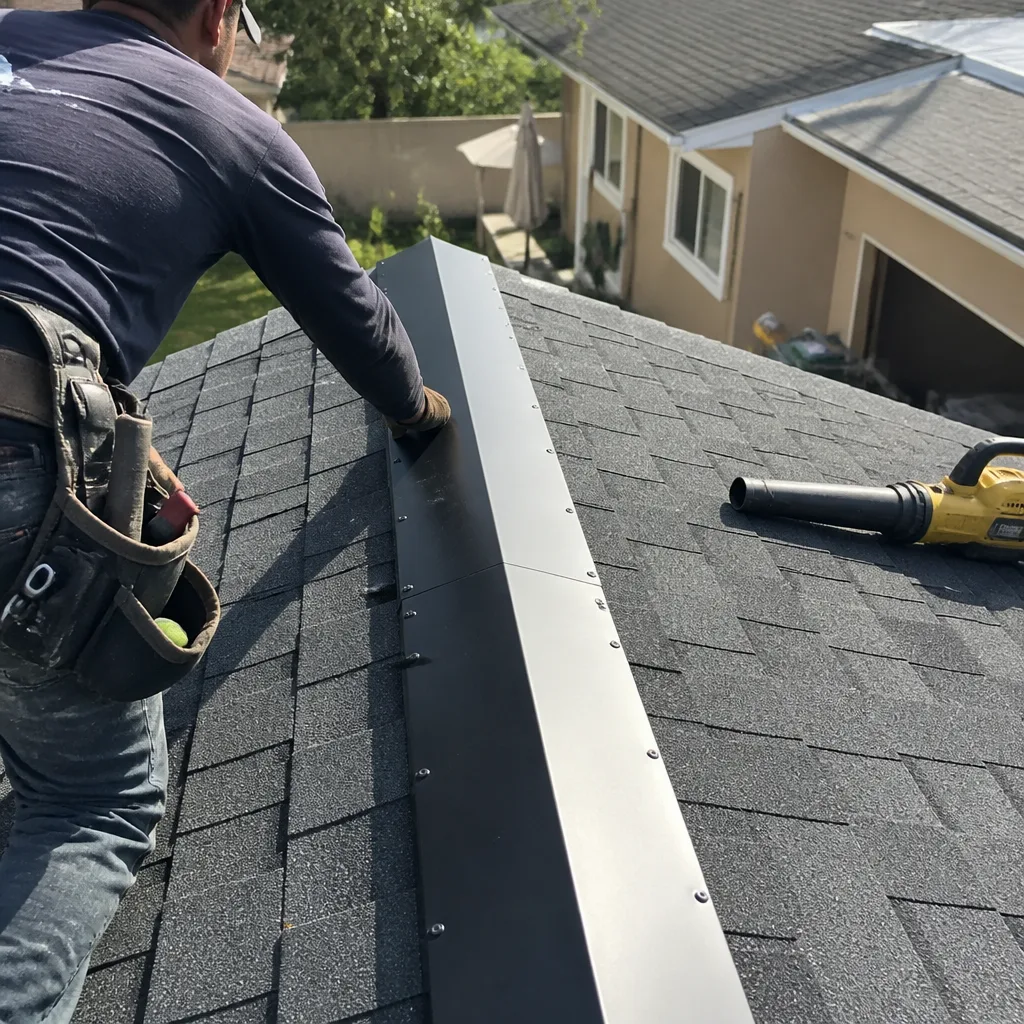
Roof flashing installation in Country Club is where we see the difference between a roof that survives a named storm and one that becomes an insurance claim. The metal transitions – at chimneys, parapet walls where the barrel tile meets the concrete-block edge, skylight curbs, and plumbing vent stacks – are the most likely points for wind-driven rain to get in. In an HVHZ market like Country Club, flashing has to be mechanically fastened on a schedule that matches the 170-mph design wind speed, not just caulked and tucked like some coastal town that gets gentler storms. A flashing detail that looks fine on a sunny Tuesday can peel open like a tin can at 120 mph.
Flashing work on a Country Club re-roof typically runs $900 – $2,400 as a component of the full installation, depending on how many penetrations and wall intersections your home has. On a standalone repair, expect $350 – $800 for a single penetration, assuming the surrounding underlayment is still viable. If it isn’t – and on 1990s homes it often isn’t – we’ll be honest about that before quoting a patch that would just move the leak.
Parapet wall flashing on Country Club homes
Country Club’s late-1980s through mid-1990s homes frequently have flat or low-slope parapet sections where the barrel tile roof meets a stucco wall, and this is the most mis-flashed detail in the neighborhood. The original counterflashing was often just surface-mounted with mastic, and thirty years of Miami UV has turned that mastic to chalk. The proper fix is a reglet cut into the stucco with stepped metal flashing run behind the wall finish, plus a continuous leg lapped over the new underlayment. You can’t caulk your way to HVHZ compliance on a parapet.
Valley metal and the barrel-tile problem
Valleys are where two roof planes dump their water into one channel, and on barrel-tile roofs the valley metal has to be wide enough to catch runoff from tiles that don’t sit tight to the deck. We spec minimum 24-inch-wide valley metal in Country Club, sometimes wider on steep planes where water velocity is higher during a tropical system. Fastener spacing down the valley edges follows the Miami-Dade NOA for the specific metal gauge we’re using, and we document every one.
Trusted Brands We Service in Country Club
We install and repair roofs using manufacturer-recognized shingle brands including GAF, Atlas, and Boral, and we stock the common profiles and colors for Country Club’s barrel-tile and asphalt-shingle homes so we’re not waiting on a distributor when your tear-off is already open. Boral’s S-profile barrel tile is the closest match to the original 1990s Country Club roof profile, and Atlas and GAF both make HVHZ-rated peel-and-stick underlayments that carry Miami-Dade NOAs. If your existing roof is a discontinued tile color, we’ll source the match or a documented alternative before your estimate is finalized, so the written price includes exactly what’s going on the roof, not “something comparable.”
Common Roof Installation Problems We See in Country Club Homes
- Original organic felt underlayment carbonized to powder. On 1988 – 1996 homes, the felt under the barrel tile was installed before peel-and-stick became standard, and Miami’s attic heat bakes it until it has the structural integrity of dried newspaper. Tiles can look perfect from the street while the only thing keeping water out is gravity and tile overlap.
- Fastening schedules that miss the 170-mph design wind speed. A roof nailed to a Florida Building Code minimum from twenty years ago does not meet today’s HVHZ requirement for Country Club. We find wrong nail patterns, missing starter strip at the eave, and drip edge that’s cosmetic rather than structural. Those details void the wind rating the products claim.
- Missing Miami-Dade NOA-approved secondary water barrier. A quote that prices “felt replacement” instead of a self-adhering NOA-approved underlayment cannot pass a Country Club re-roof inspection. The job gets red-tagged, the crew leaves, and the homeowner pays someone else to tear off the just-installed work and start over. We price the compliant system from the first line item.
- Ventilated parapet walls and dead attic air on flat-roof sections. Country Club’s mix of low-slope parapet sections over living space and barrel-tile gable roofs means two different ventilation systems trying to work on one house. When a flat section over the carport or entry is re-decked without addressing the trapped air pocket beneath it, condensation and mold follow inside the soffit within two or three wet seasons.
Pricing for Roof Installation in Country Club, FL
A full roof installation in Country Club runs $9,800 – $24,500 for a typical concrete-block single-family home, with most barrel-tile tear-offs and HVHZ-compliant re-decks landing between $14,000 and $19,500. A smaller asphalt-shingle replacement on a ranch-style home can start around $9,800, while a larger two-story with tile, parapet repairs, and full re-decking pushes toward the top of the range. The single biggest cost driver on Country Club homes is what’s under the tile: if the decking is sound and only the underlayment and tile need replacement, the job is faster; if decades of leaks have rotted sections of plywood decking – less common here than in wood-frame Florida cities, but still possible – you’ll add $3 – $6 per square foot for replacement sheathing.
Every Mercer Roofing quote in Country Club is written, itemized, and fixed before any work starts. No change orders on change orders, no “we found rot” invoice at the end. Call (743) 200-8347 to schedule a free estimate, and we’ll give you the number in writing the same day we walk your roof.
We Also Serve Cities Near Country Club
Our crews work throughout northwestern Miami-Dade and into Broward, so if you’re in Country Club but have family or investment property nearby, we cover that too. We regularly roof homes in Miami, Hialeah, Fort Lauderdale, and Pembroke Pines, with the same written pricing and Threshold Verified technicians on every job.
Serving Country Club, FL - Our Local Coverage Area
We’re based in the Country Club area and know this community well. Use the map below to see our service coverage - if you’re nearby, we can almost certainly help.
FAQs About Roof Installation in Country Club
Permits for Country Club re-roofs are issued by the Miami-Dade County building department, specifically under its HVHZ (High-Velocity Hurricane Zone) rules, because Country Club is an unincorporated CDP with no municipal permitting office. That means the permit, the inspections, and the wind-load compliance all run through the county, and the product approvals must be Miami-Dade NOAs, not just Florida Building Code generic listings. Call (743) 200-8347 if you want us to check whether a quote you received is actually using county-compliant materials.
Because the original organic felt underlayment under those tiles was never designed for 30 years of Miami attic temperatures, and it has likely carbonized and crumbled to powder even though the barrel tile above it still looks intact from the ground. In Country Club this pattern is so predictable on 1988 – 1996 homes that our crews pull a few tiles at the valley and rake first thing on any leak call. When the felt is gone, a patch that re-lays the same tile over dead felt just traps moisture and forces a full permitted tear-off later.
A new Country Club roof must meet Miami-Dade’s HVHZ design wind speed of 170 mph, which governs the fastening schedule for the tile or shingle, the type of underlayment, and the flashings. That’s a higher standard than most of the country and even higher than some coastal Florida counties outside Miami-Dade, and it’s why a quote that prices “standard” felt and hand-nailing at the eave won’t pass inspection here. We price the 170-mph system from the first bid, including drip edge and starter strip, and we document the fastening schedule for your records.
Documented HVHZ compliance gives your insurance carrier a written record that the roof was installed to Miami-Dade’s wind-load standard, which matters when a storm claim is filed and the adjuster asks whether the roof was built to code. Homeowners who can produce the permit record, the NOA product sheets, and the inspection sign-offs are in a far stronger position than those who hired a crew that pulled no permit and left no paper trail. In Country Club, a compliant quote includes that documentation; a cheap quote leaves you to explain to your carrier why there’s no record at all. Call (743) 200-8347 and we’ll walk you through what the paper trail looks like.
Not always, but on 30-year-old Country Club homes we frequently find the original aluminum fascia is still serviceable while the stucco soffit vents are painted shut and the wood sub-fascia behind the metal has started to soften at the corners. If the roof deck is being exposed anyway, it’s the cheapest time to replace a damaged fascia board or clear and re-screen the intake vents. We’ll tell you honestly whether your soffit and fascia need work or can stay – and the written price will reflect exactly what was found, not a “while we’re here” surprise.
Written by Grant Whitlock, Owner at Mercer Roofing, serving Country Club since 2000.