
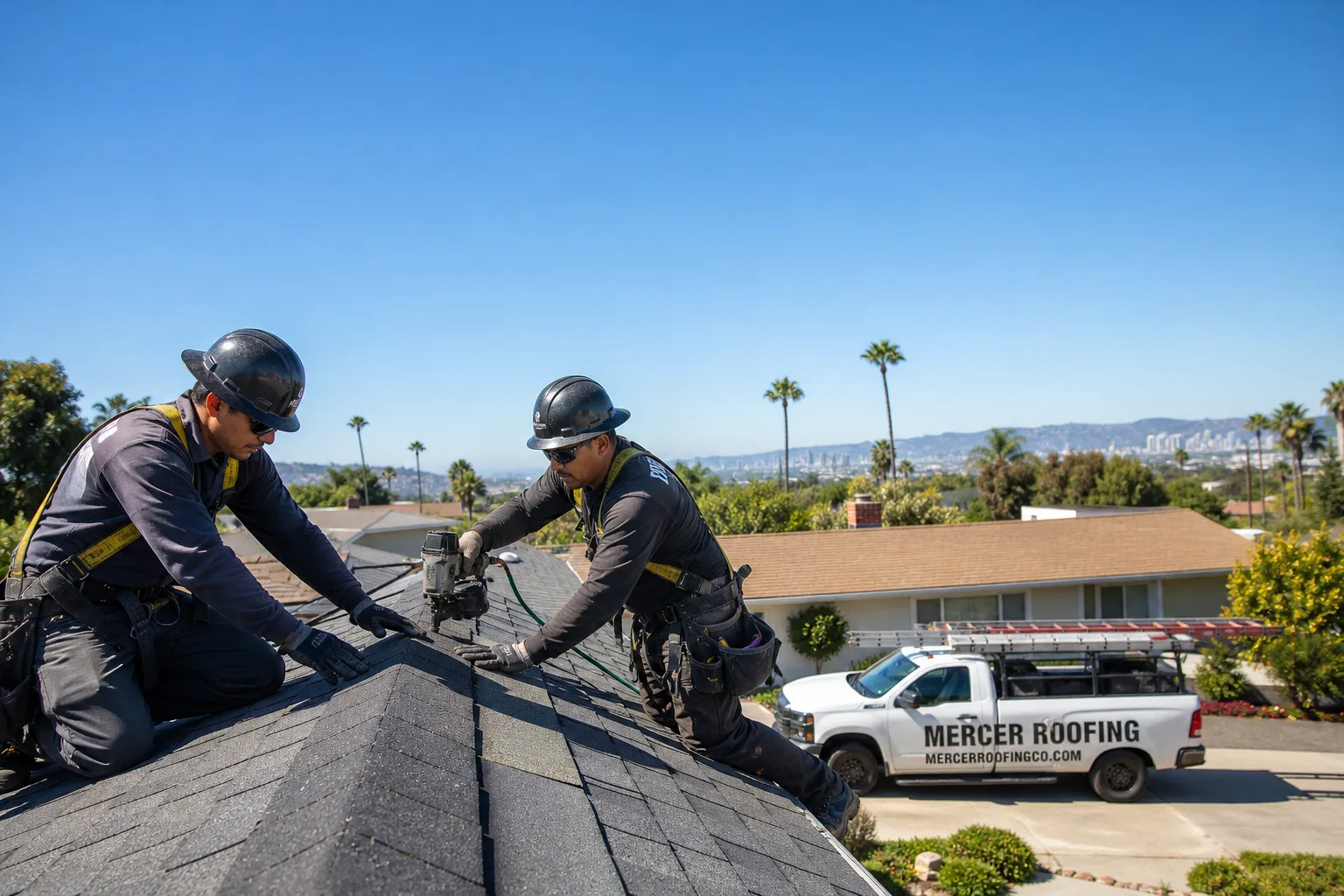
Free roof inspection with deck photos before we talk money - GAF and Owens Corning certified installation
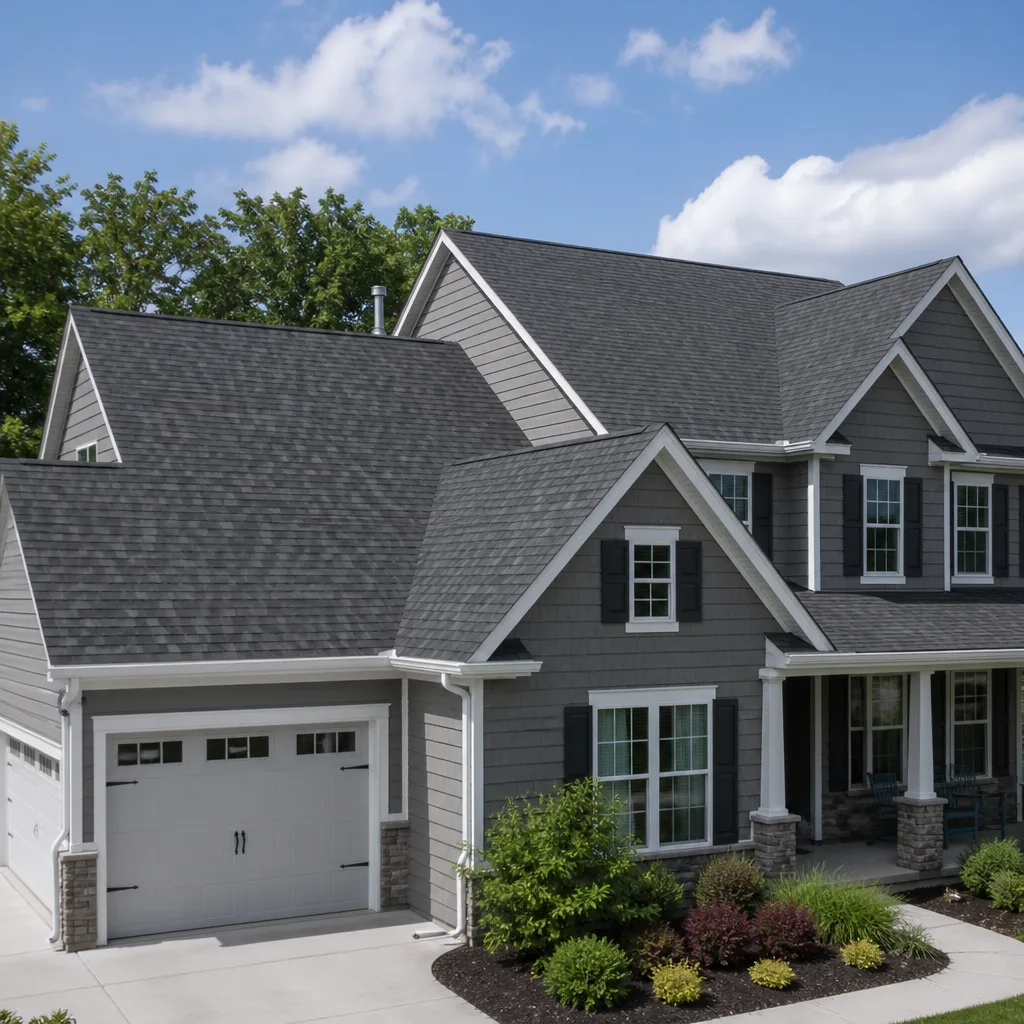
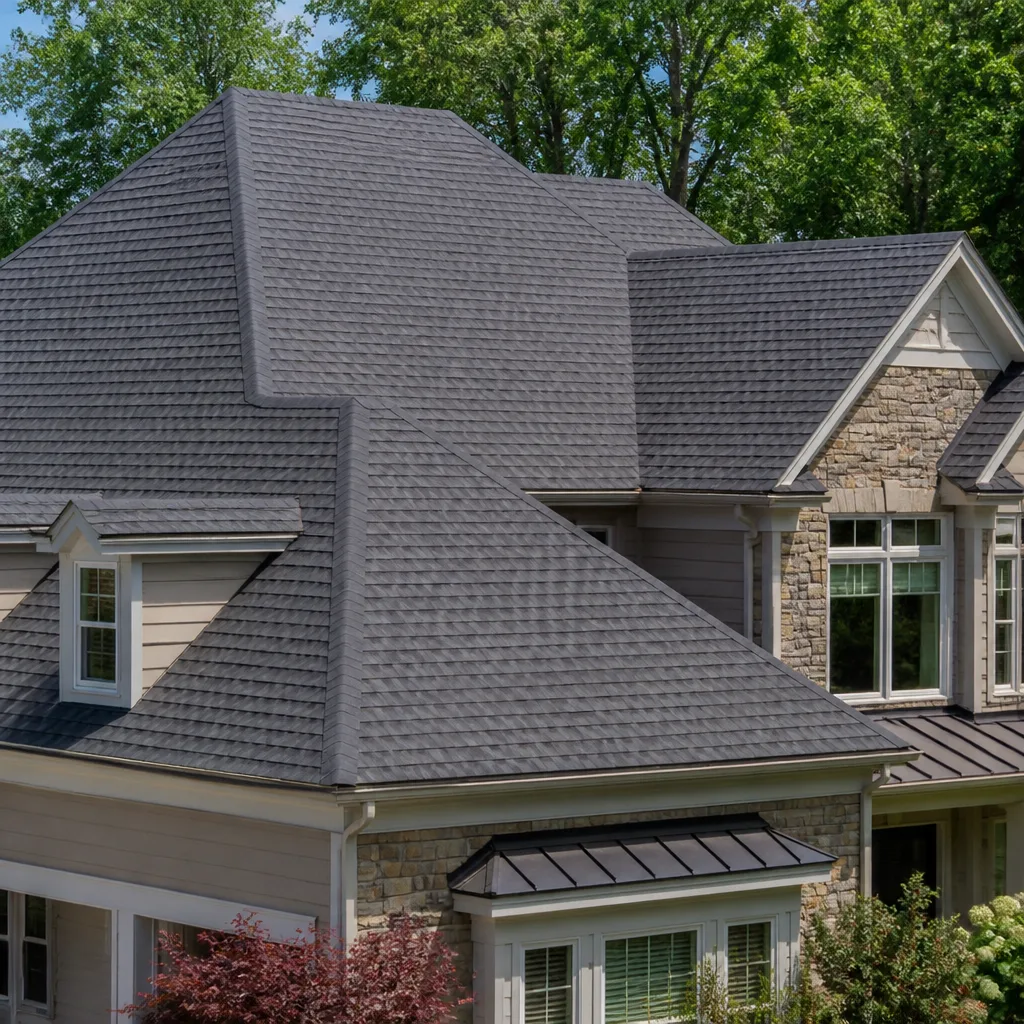
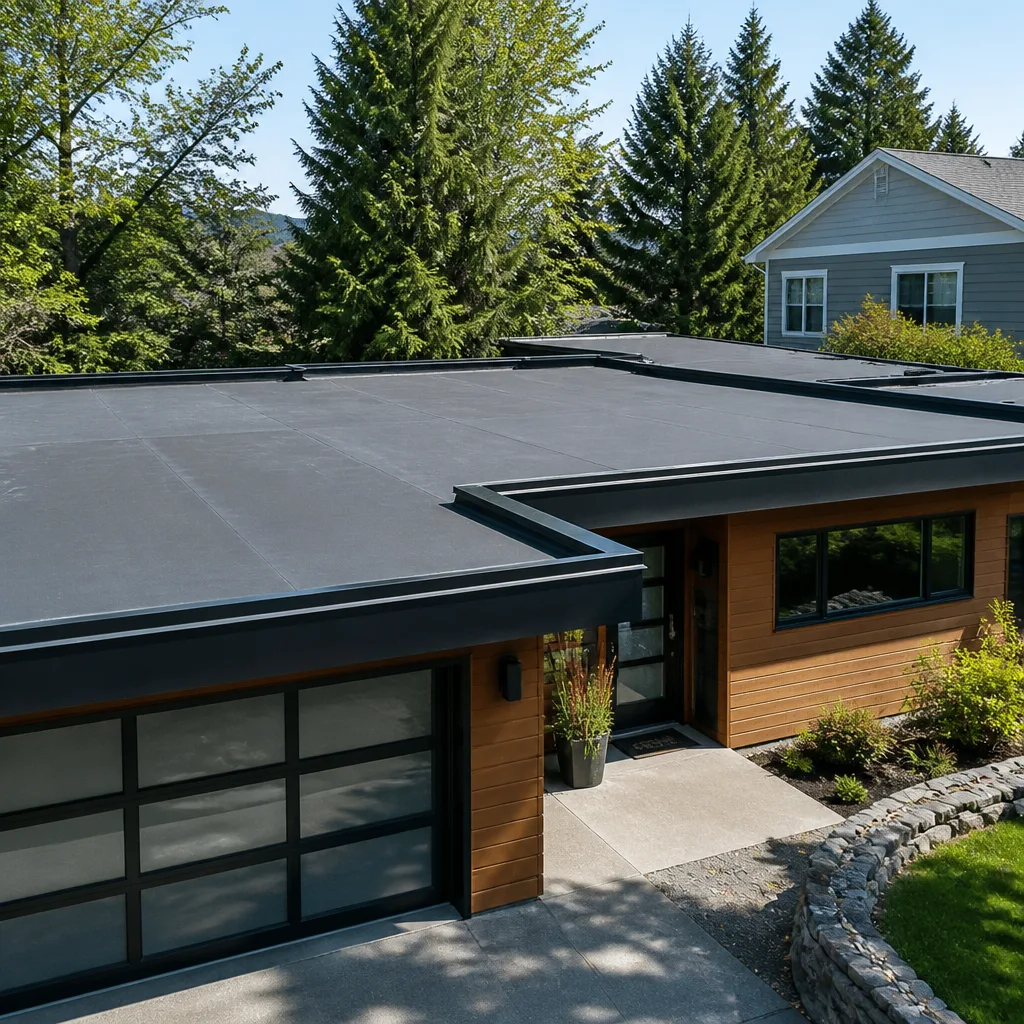
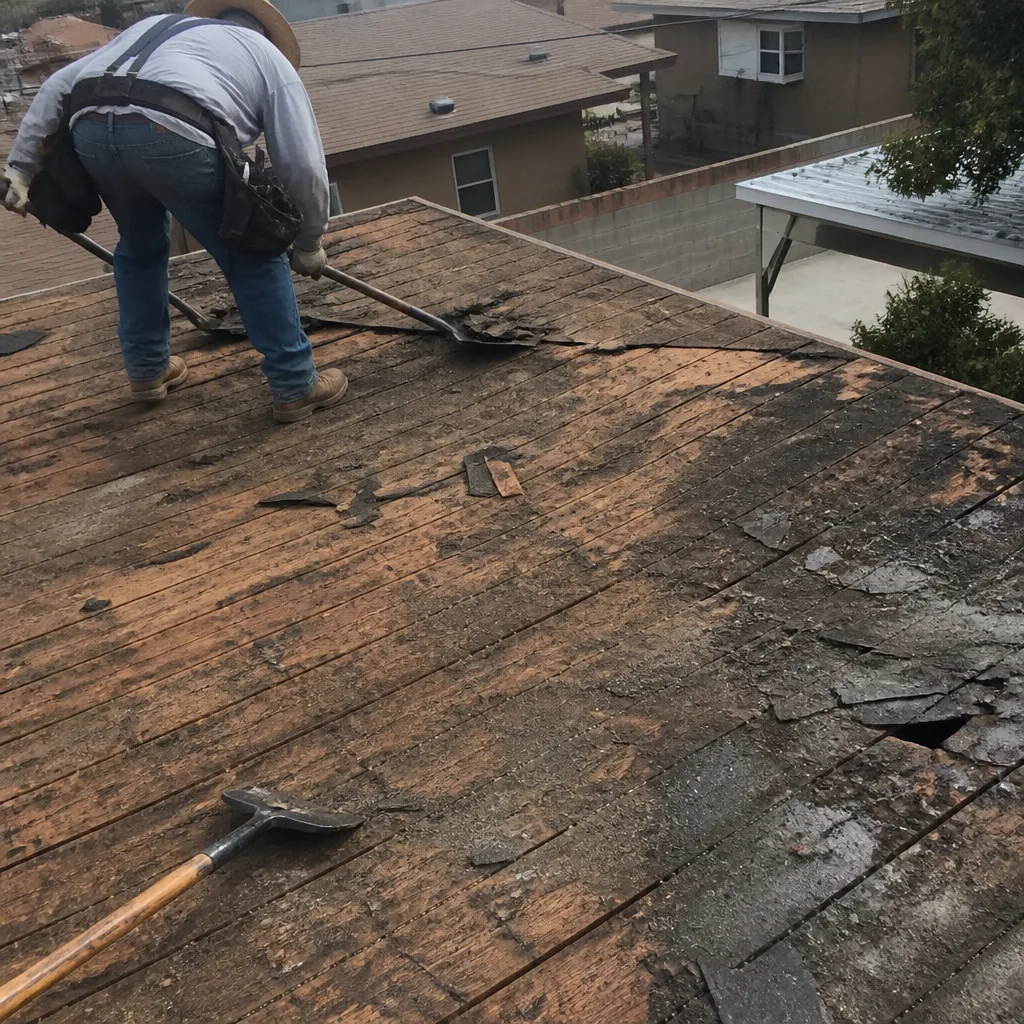 Before
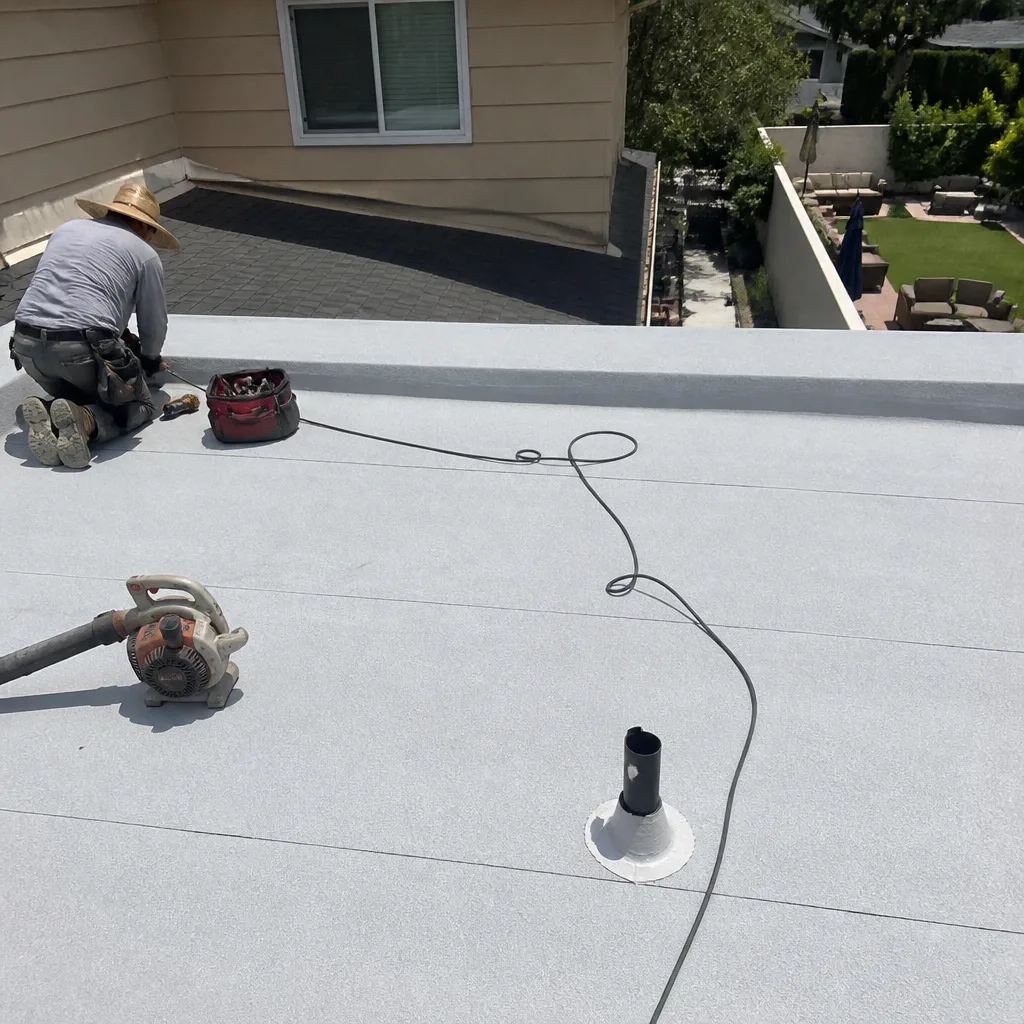 After
After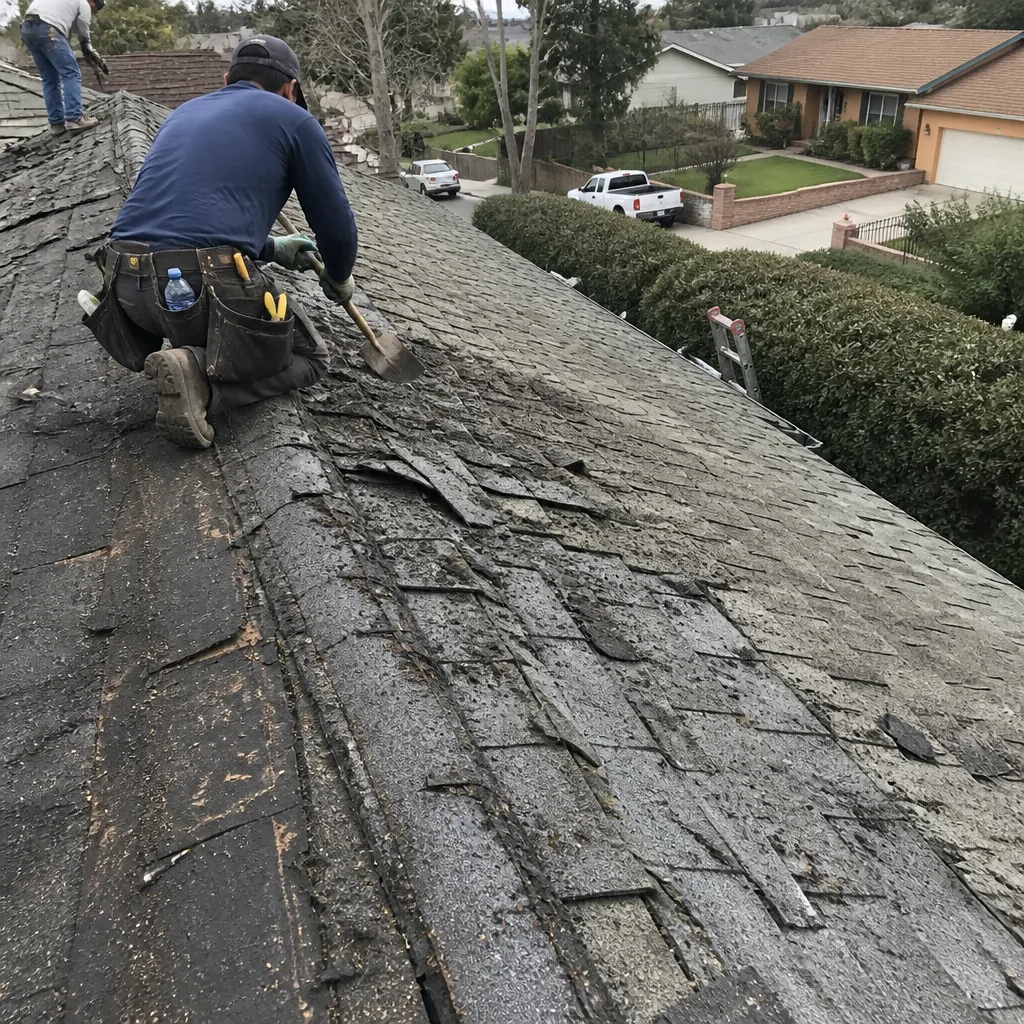 Before
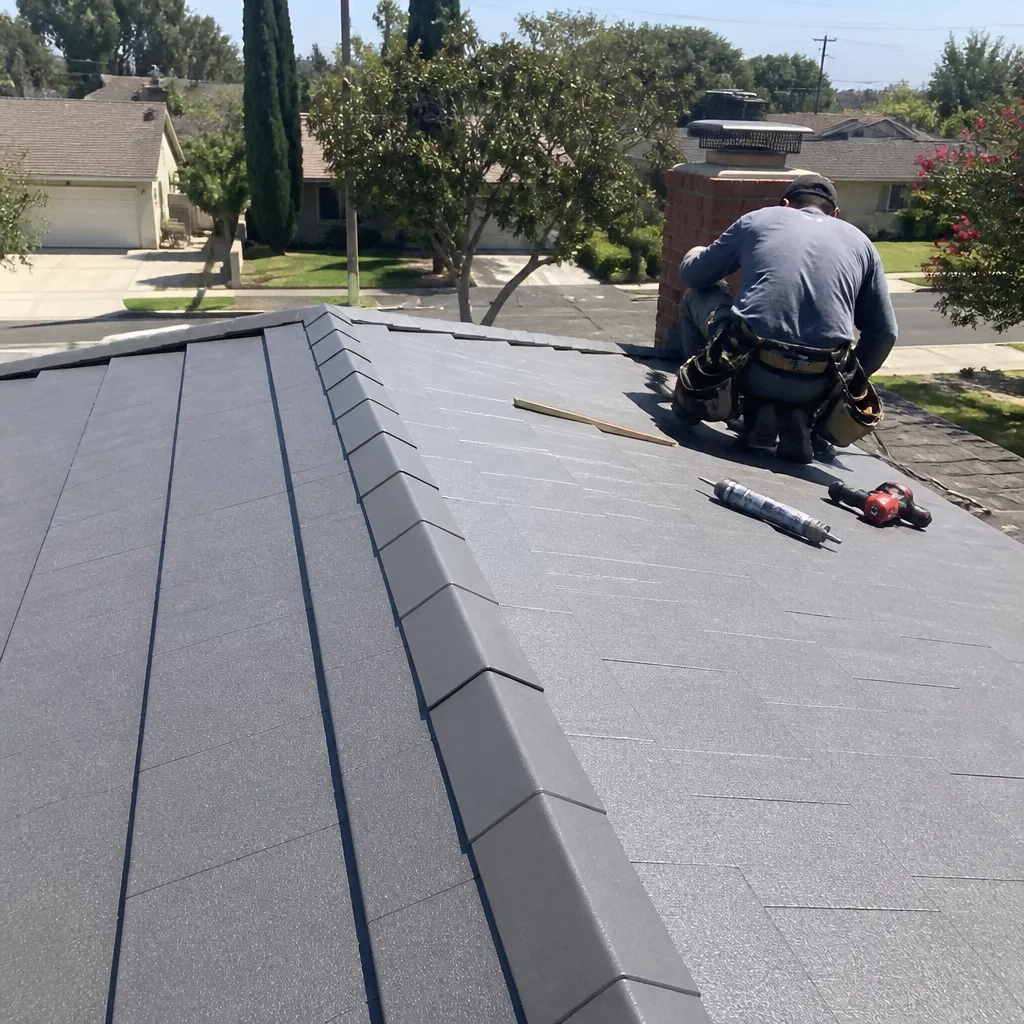 After
After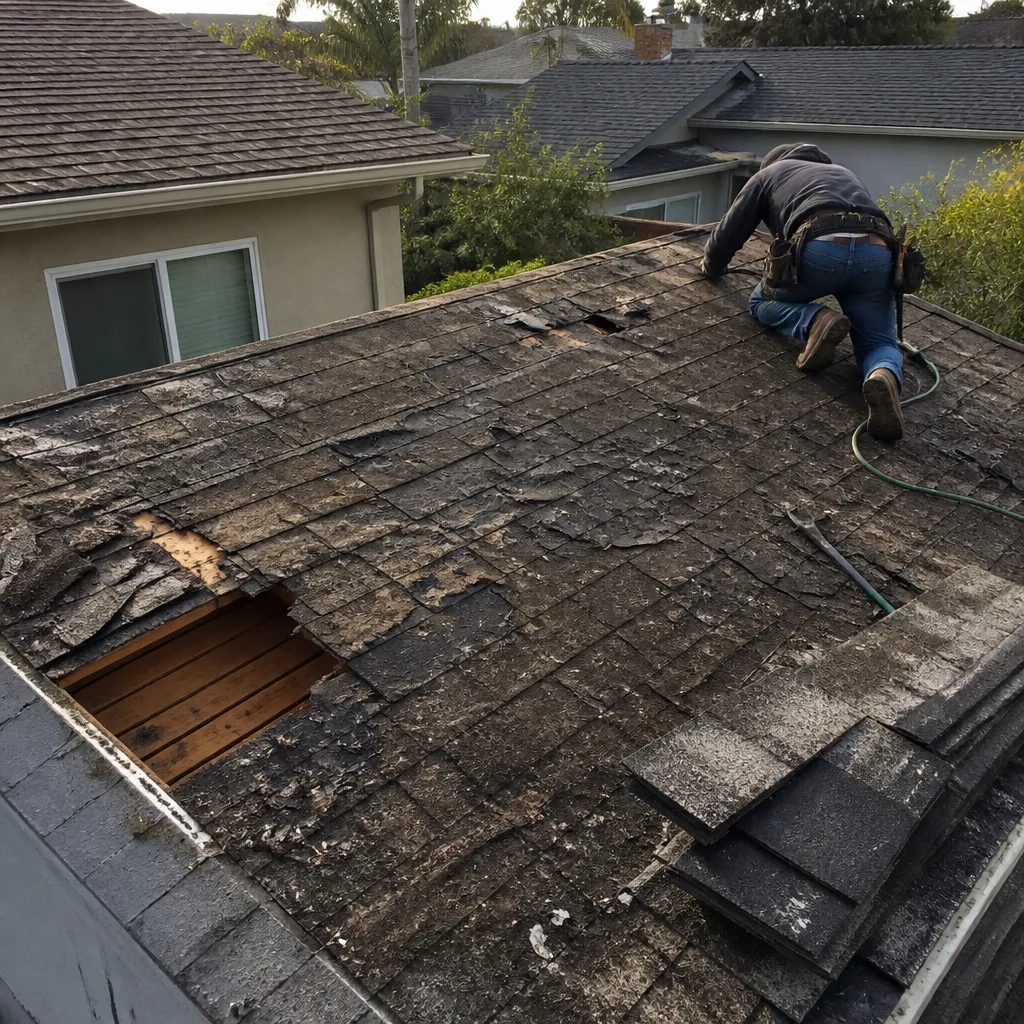 Before
 After
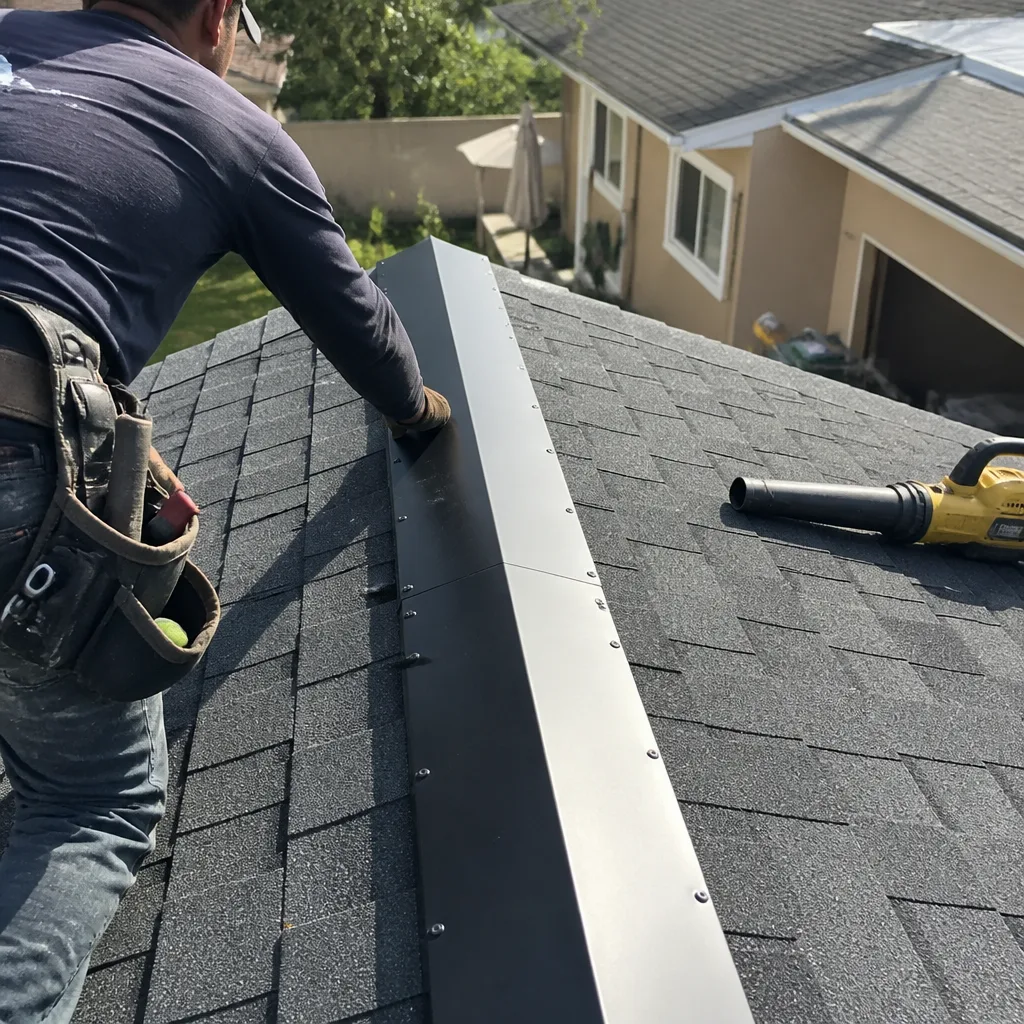
AfterFast, Reliable Roof Installation Across Lake Los Angeles
A new roof in Lake Los Angeles runs between $9,500 and $24,000 for a typical 900 to 1,400 square foot home, depending on material choice, decking condition, and whether we are dealing with the low-pitch spec construction common to this part of the Antelope Valley. Most full tear-offs take three to five working days once permits clear. We know this market because we work it weekly, and we price it in writing before any work starts.
Call (743) 200-8347 and you will get a live person, not a voicemail, 24/7. We schedule free estimates across Lake Los Angeles and the surrounding Antelope Valley communities. When our technician arrives, you will already know their name and face: we send both ahead of the visit, and they will badge in with photo ID at your door.
Why Mercer Roofing Is Lake Los Angeles’s Preferred Roof Installation Company
Lake Los Angeles is not a place where you guess at a roofer. The housing stock is specific: hundreds of 1960s to 1980s mail-order spec homes, many with minimal overhangs, low-pitch roof planes, and builder-grade materials that are simultaneously hitting end-of-life. We have pulled enough decking back on Avenue P-8, 170th Street East, and the streets off Longview Road to know what lives under the shingles before we lift a single one.
Every Mercer technician is background-checked, identity-verified, uniformed, and holds Threshold Verified status under the Threshold Group quality framework. That matters in a rural, spread-out community where most residents do not know the name of a local roofing company until the day they need one. You are not taking a chance on a stranger. You are getting a written price, a written guarantee, and a person who shows up with credentials in hand.
Grant Whitlock leads our team with one standing rule: we never ask a homeowner to commit to a roof without first giving them a written, line-item price. That is not a special offer. It is how we open every job in Lake Los Angeles.
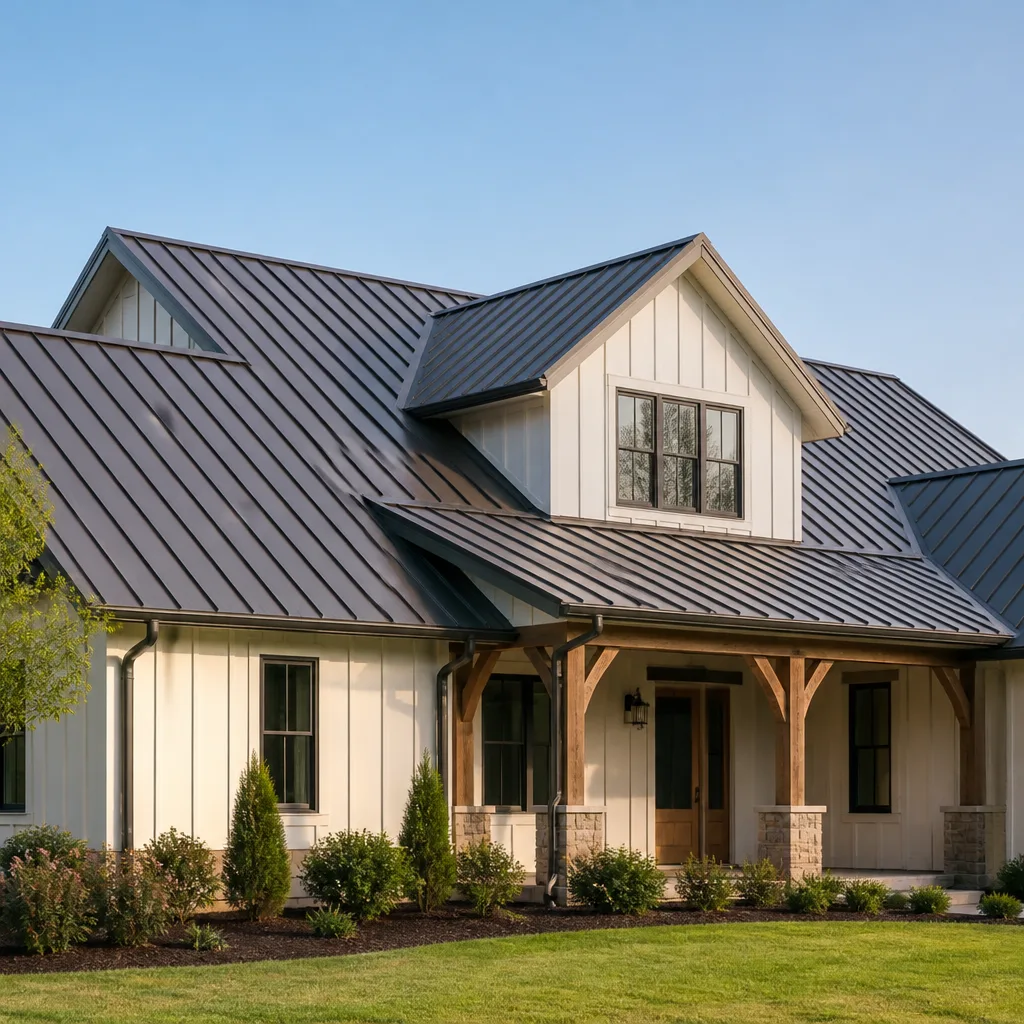
Standing Seam Metal Roof in Lake Los Angeles
A standing seam metal roof in Lake Los Angeles runs $16,000 to $42,000 for the typical 900 to 1,400 square foot stick-built home, with the higher end covering thick-gauge panels, concealed fasteners, and new underlayment over decking that meets ventilation code. In a place where July sun on a near-black composition shingle can push attic temperatures past 160°F, metal is not a style choice. It is a longevity and energy decision, and it holds up against the Antelope Valley wind better than any tabbed shingle ever will.
Where We Use Ocean-Spec Fasteners
The salt air that eats window frames and fence posts along the coast is not the issue here. What Lake Los Angeles gives us instead is thermal shock: 100°F-plus afternoons dropping to near-freezing nights, day after day, for years. Standard zinc-coated fasteners work loose under that cycling. We specify stainless steel clips and fasteners on standing seam projects here, and we quote for them separately so you see exactly what that coastal-grade hardware costs.
The Decking Rule
Before we quote a standing seam roof in Lake Los Angeles, we check the decking at the eaves. On homes with minimal overhang, the first two feet of plywood or OSB is often delaminated or rotted from direct sun impingement and decades of moisture wicking at the drip edge. We will not lay a 40-year metal roof over failed decking. We replace what is unsound and note every foot of it in the written estimate.
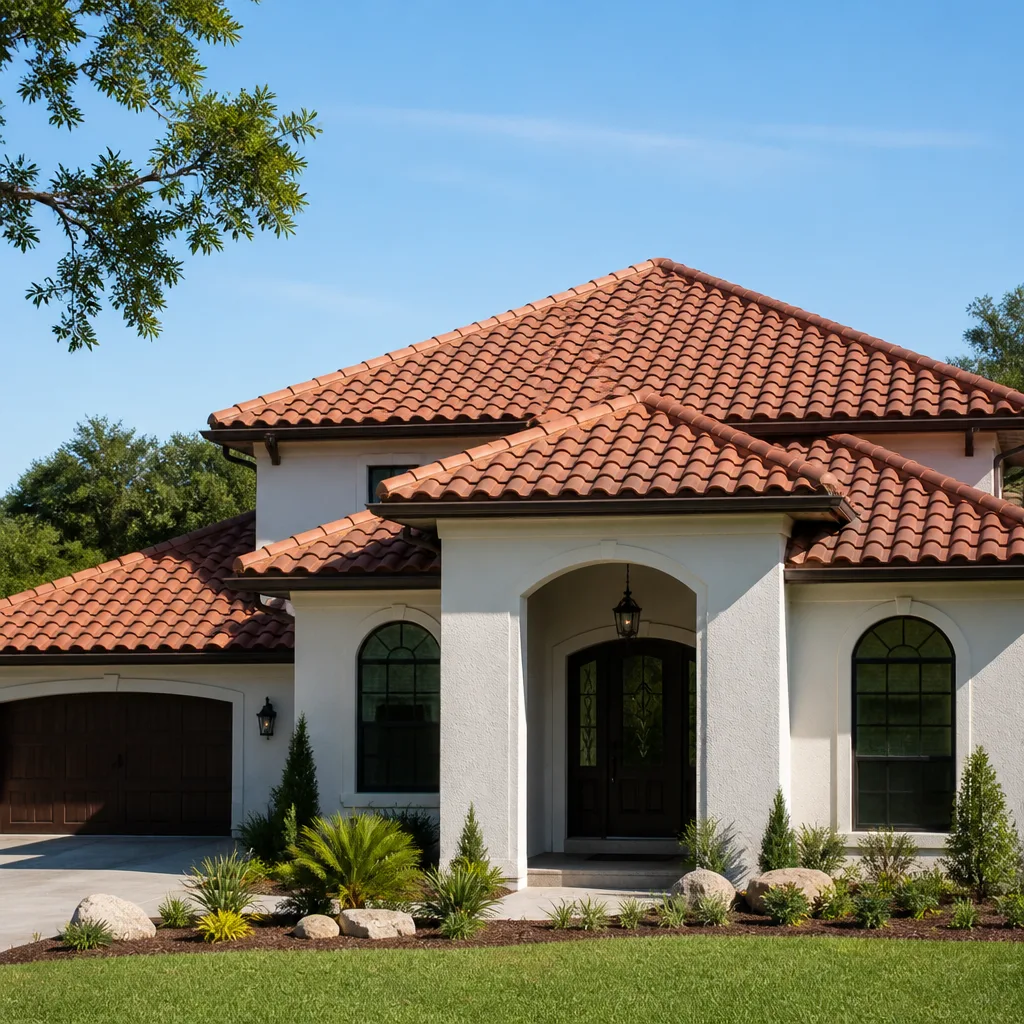
Tile Roof in Lake Los Angeles
A tile roof in Lake Los Angeles runs $18,000 to $48,000, with concrete tile at the lower end and clay tile with full underlayment replacement at the upper end for a 900 to 1,400 square foot home. Tile handles the Mojave UV better than any asphalt product ever will, and it looks right on the Spanish-influenced ranch styles that dominate the area. But tile is heavy, and many of the 1960s and 70s spec homes here were never framed and trussed for that load.
Underlayment Before Tile
We are more interested in what goes under the tile than the tile itself. Lake Los Angeles sees occasional frost and even snow at 2,700 feet, and a low-pitch or nearly flat roof pools water at valleys and penetrations. We specify high-temperature, double-layer synthetic underlayment with ice and water shield at the eaves and valleys on tile projects here. That is the difference between a tile roof that lasts 50 years and one that leaks in eight.
The Weight Reality
We will not put tile on a roof that has not been verified for the load. When we quote a tile installation in Lake Los Angeles, we check the truss span and the condition of the roof-to-wall connections. If the structure needs reinforcement, we say so in the estimate, with a dollar figure attached. A homeowner who skips that step pays far more later.
Trusted Brands We Service in Lake Los Angeles
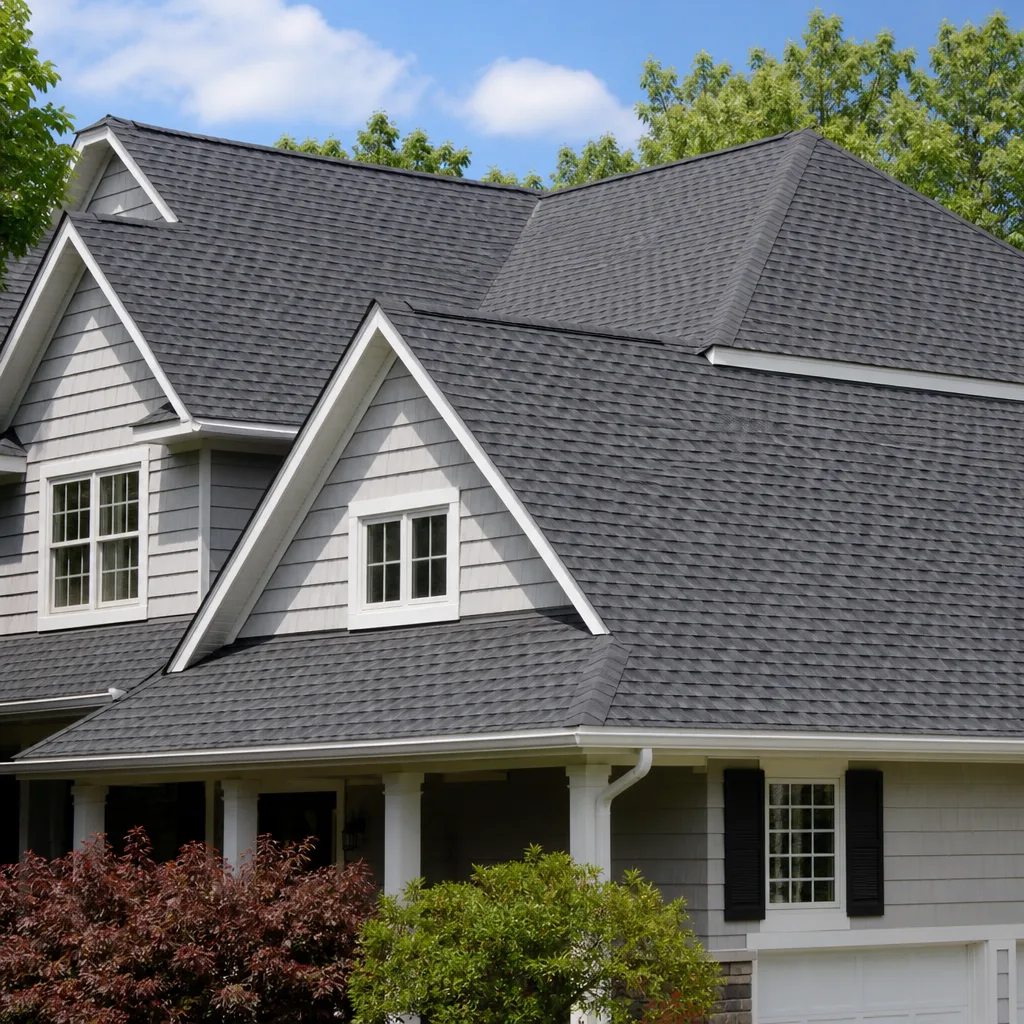
We install and service GAF, CertainTeed, Owens Corning, IKO, Atlas, Tamko, and Boral roofing systems across Lake Los Angeles. For the local housing stock, we most often recommend GAF architectural shingles for standard slopes and Atlas or Tamko options where a homeowner wants a specific color match against desert stucco. We stock common flashing, ridge vent, and starter strip components for these brands, which means we do not hold up a Lake Los Angeles tear-off waiting on a regional distributor. We also work with standing seam metal suppliers for the high-heat, high-wind reality of the Antelope Valley.
Common Roof Installation Problems We See in Lake Los Angeles Homes
- Rotted eave decking under a roof that looks fine from the ground. The low-overhang spec homes built in the 1960s and 70s have almost no eave protection, and the first two feet of decking at the rakes and eaves rots or delaminates long before the field shingles fail. We find this on roughly half the tear-offs we do in Lake Los Angeles.
- UV-cooked asphalt shingles that crack and curl years early. At 2,700 feet in the Mojave, the UV index and the daily thermal swing bake asphalt shingles at two to three times the rate of coastal LA. Granule loss shows up first at the south and west exposures.
- Santa Ana-lifted shingle tabs on unsealed edges. Wind gusts here grab the first course at the rake and eave. If the starter strip and nailing pattern were not done correctly, the 130 mph wind rating on the package means nothing.
- Low-pitch roofs with failed underlayment pooling water at valleys. Builder-grade construction in this area cut pitch to save materials. Water sits longer, underlayment degrades, and leaks start at penetrations and valleys on roofs that are only 15 to 20 years old.
Pricing for Roof Installation in Lake Los Angeles, CA
We Also Serve Cities Near Lake Los Angeles
Our Roof Installation team covers the Antelope Valley and beyond. We regularly work on full roof replacements in Lake Los Angeles, and we serve homeowners in Los Angeles, San Diego, San Jose, and San Francisco with the same written-price, photo-badged process. If you are anywhere in the Antelope Valley or planning a roofing project in another part of California, call and ask for Grant’s team.
Serving Lake Los Angeles, CA - Our Local Coverage Area
We’re based in the Lake Los Angeles area and know this community well. Use the map below to see our service coverage - if you’re nearby, we can almost certainly help.
FAQs About Roof Installation in Lake Los Angeles
Roofs fail faster here because Lake Los Angeles sits at roughly 2,700 feet in the Mojave Desert, where intense UV exposure and daily thermal swings from 100°F-plus afternoons to near-freezing nights degrade asphalt shingles two to three times faster than communities 60 miles west on the other side of the San Gabriel Mountains. That daily expansion and contraction cracks and curls shingles and loosens fasteners over time. If you want a specific number for your roof’s remaining life, call (743) 200-8347 and we will inspect it for free.
Yes, these mail-order spec homes were built with minimal roof overhangs to cut costs, which means the eave and rake flashing are hit by direct sun year-round, and the first two feet of decking at the eaves often rots or delaminates even when the field of the roof looks intact. We find this on a large share of Lake Los Angeles tear-offs. Have us check the eave decking before making any repair decision; a written inspection is free and could save you from buying a roof that is installed over bad wood.
Choose standing seam metal if you want the best wind and thermal-cycle performance and a lower structural load; choose tile if you want traditional desert aesthetics and are willing to verify or reinforce the roof framing for the weight. For most 900 to 1,400 square foot Lake Los Angeles spec homes, metal is the better structural fit. We price both options in writing so you can compare line against line, and we will tell you plainly which one we would put on our own home here.
Wind-rated shingles hold up only if they are installed with a proper starter strip at the eaves and rakes, the correct nailing pattern per the manufacturer’s high-wind instructions, and hand-sealing of the first course. Most failures we see in Lake Los Angeles after wind events trace back to skipped starter strip or nails placed in the wrong part of the shingle. We install to the high-wind spec on every roof here, because the gusts on the flats are real.
Put the two bids side by side and compare four line items: decking replacement allowance, underlayment type, ice and water shield at eaves and valleys, and whether drip edge and starter strip are listed separately or assumed. A cheaper bid that bundles those lines is often hiding them, and in Lake Los Angeles, omitting eave decking or water shield means the new roof fails at the edges first. Call (743) 200-8347 for a written, line-item estimate you can actually compare.
Written by Grant Whitlock, Owner at Mercer Roofing, serving Lake Los Angeles, CA.