
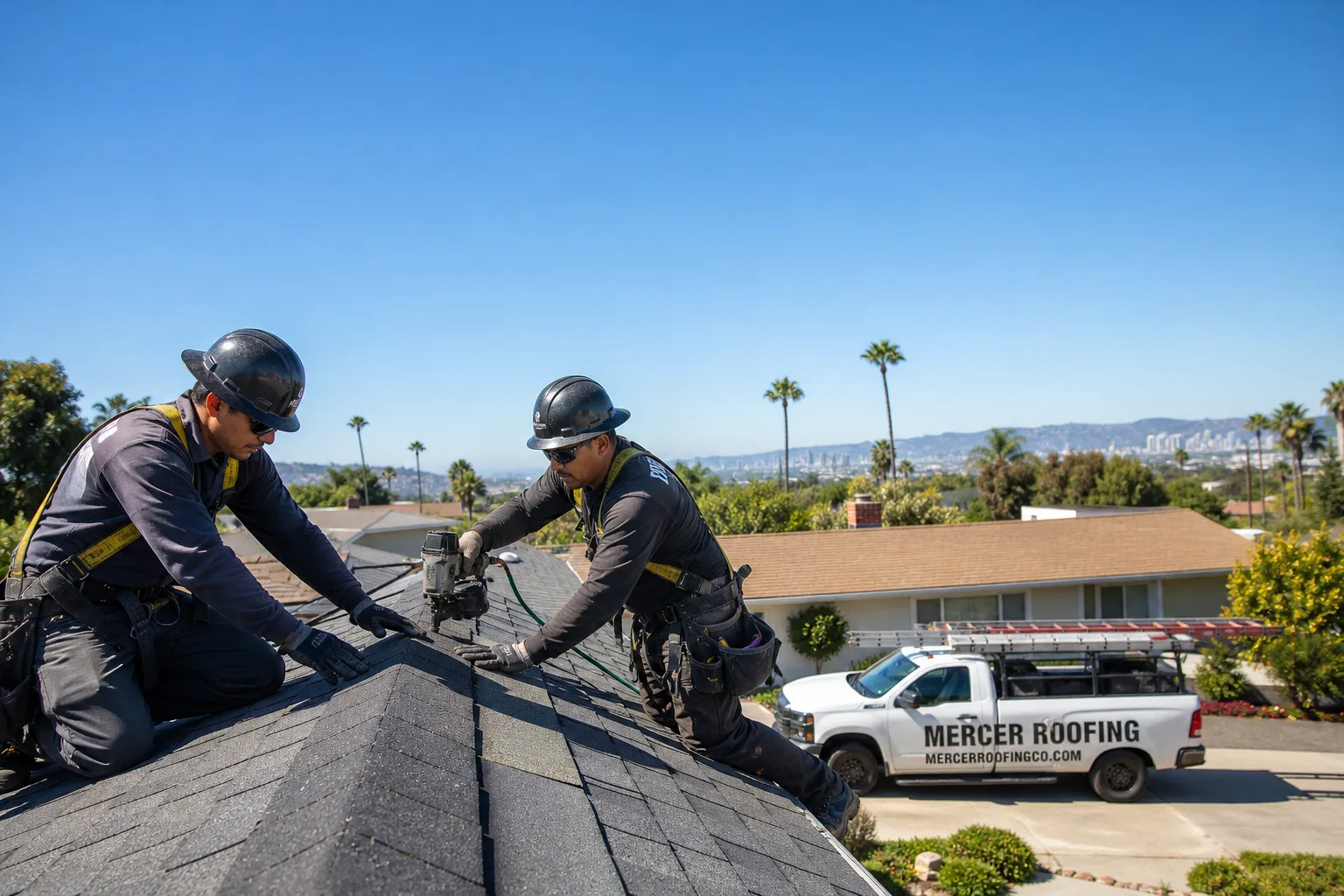
Free roof inspection with deck photos before we talk money - GAF and Owens Corning certified installation
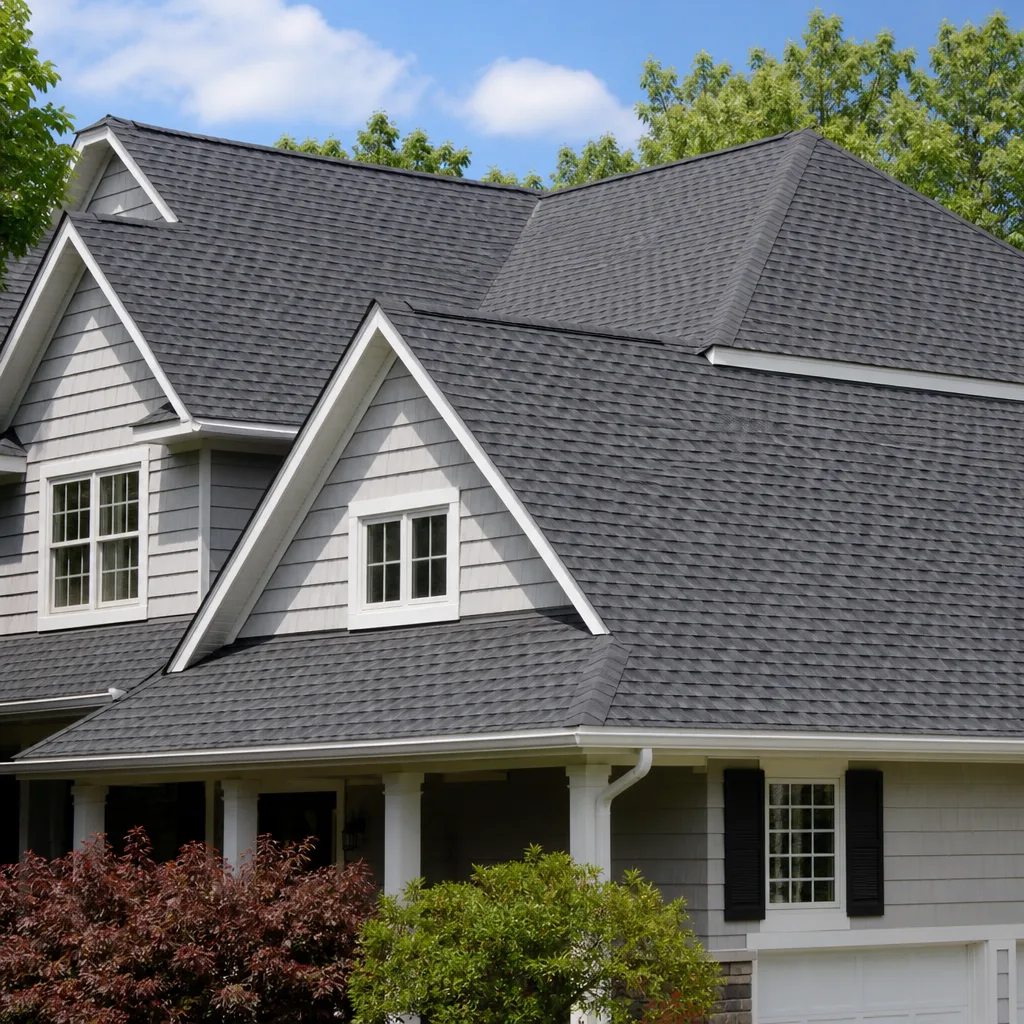
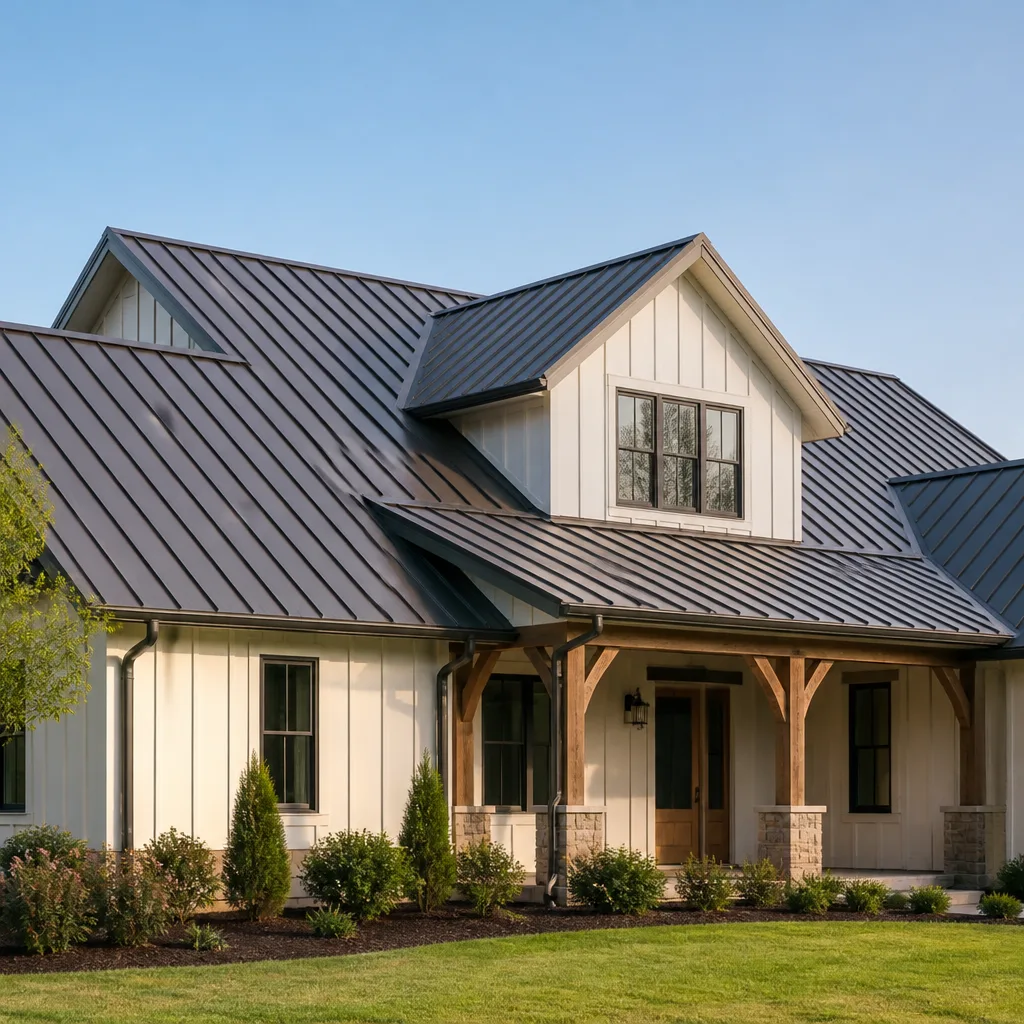
 Before
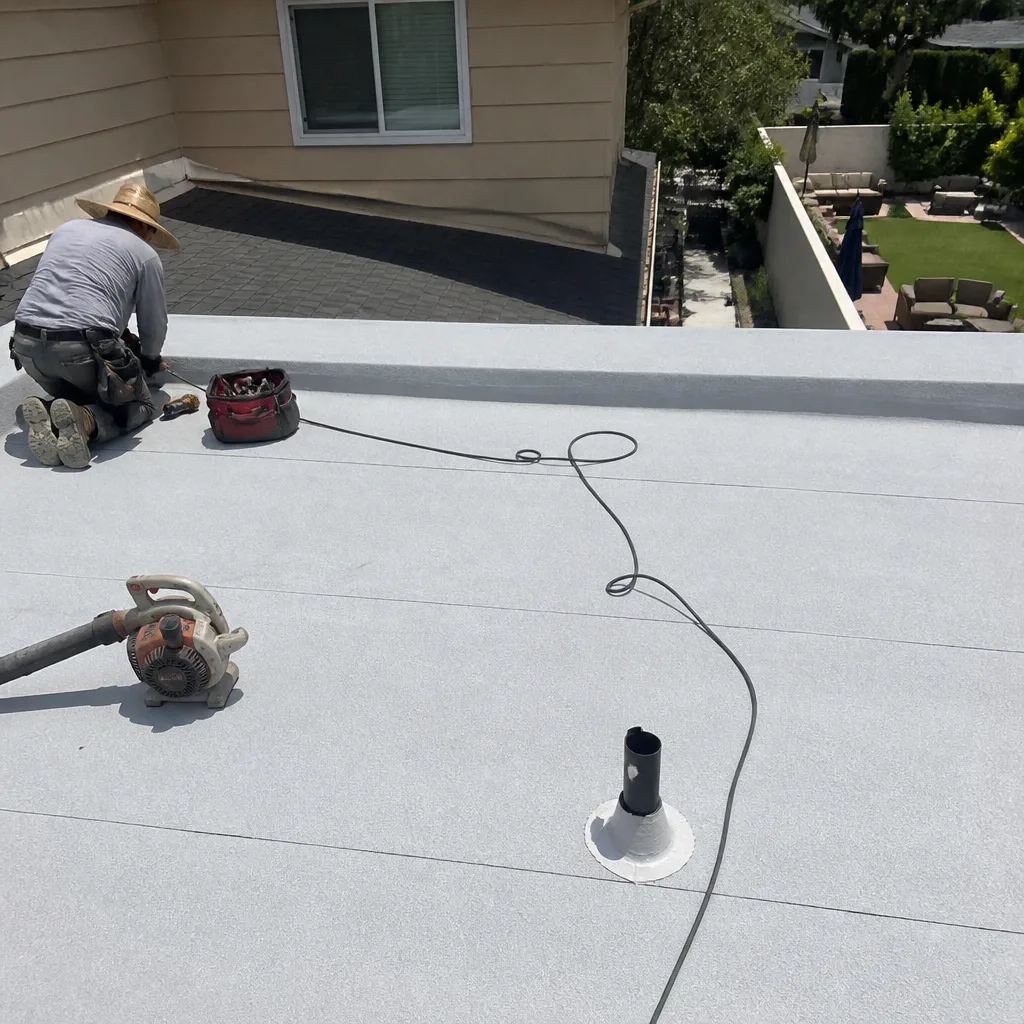 After
After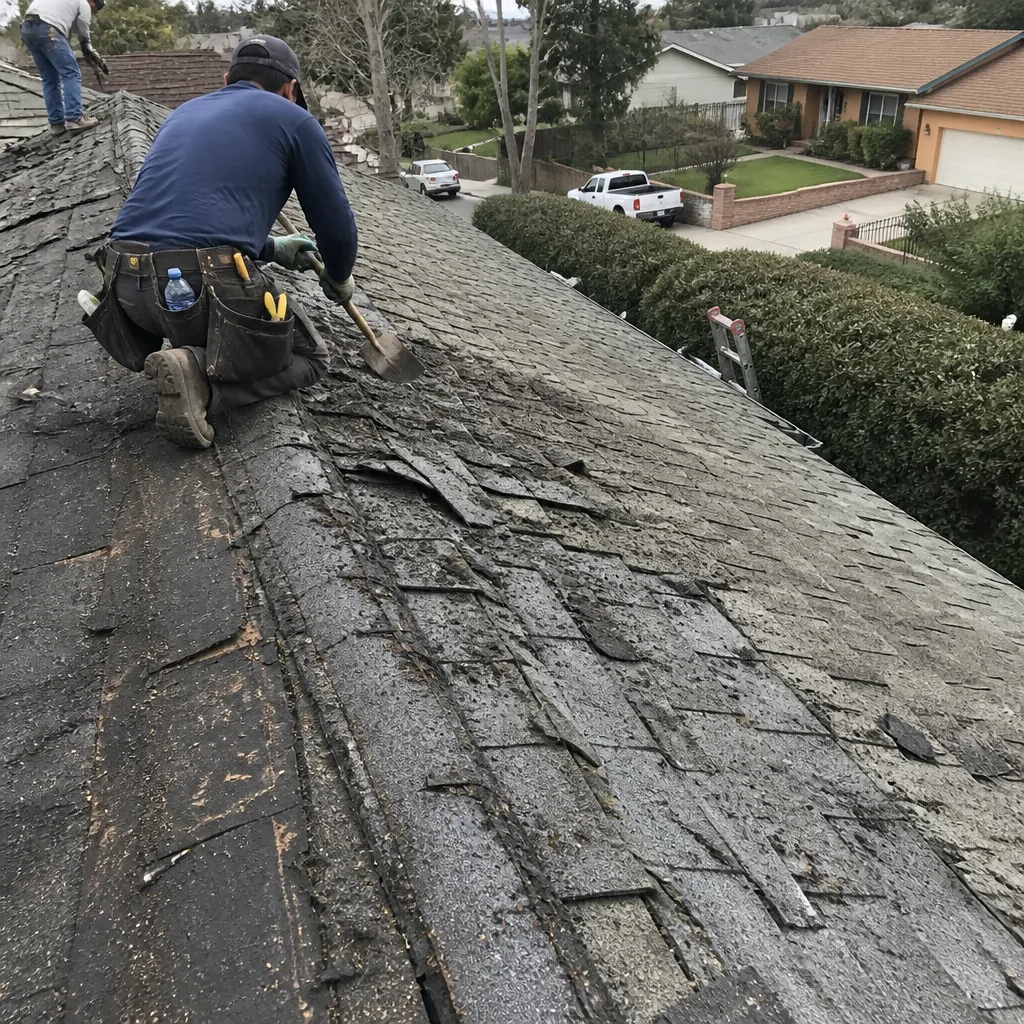 Before
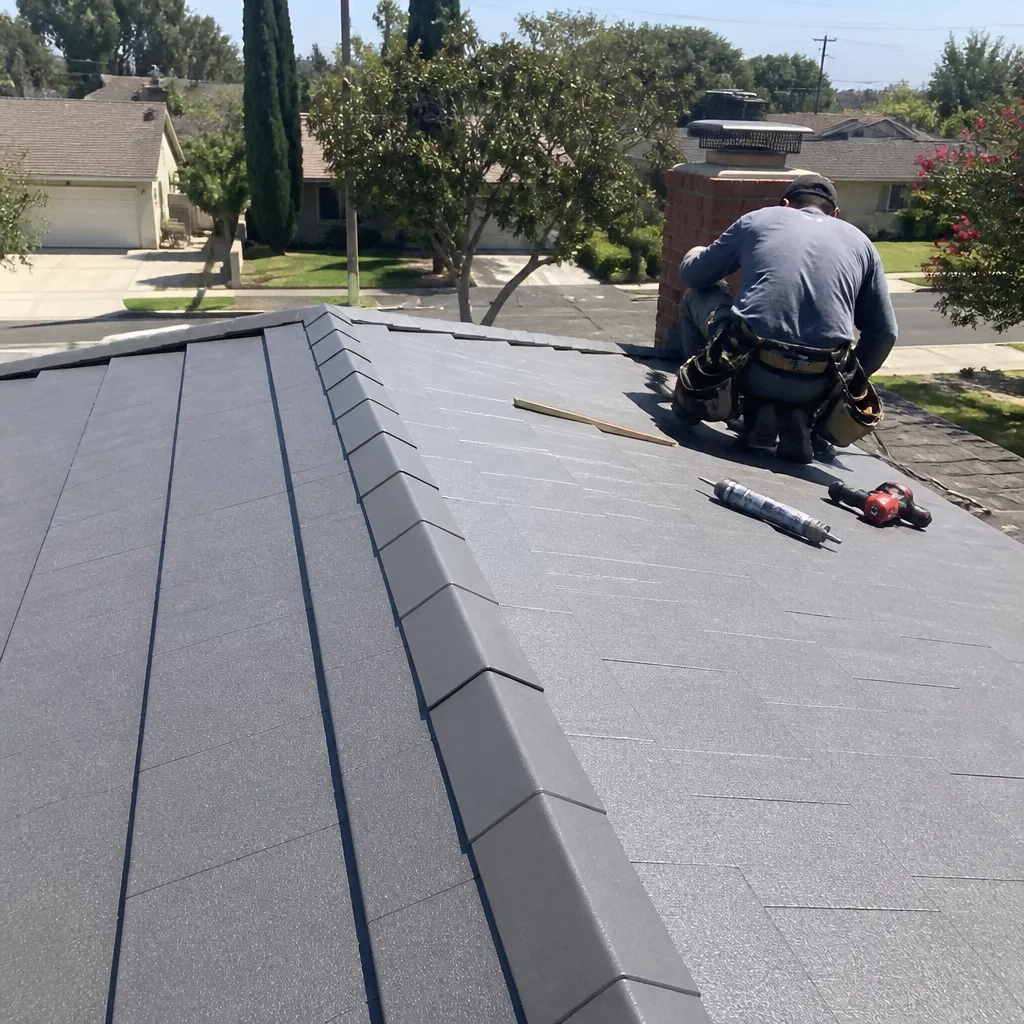 After
After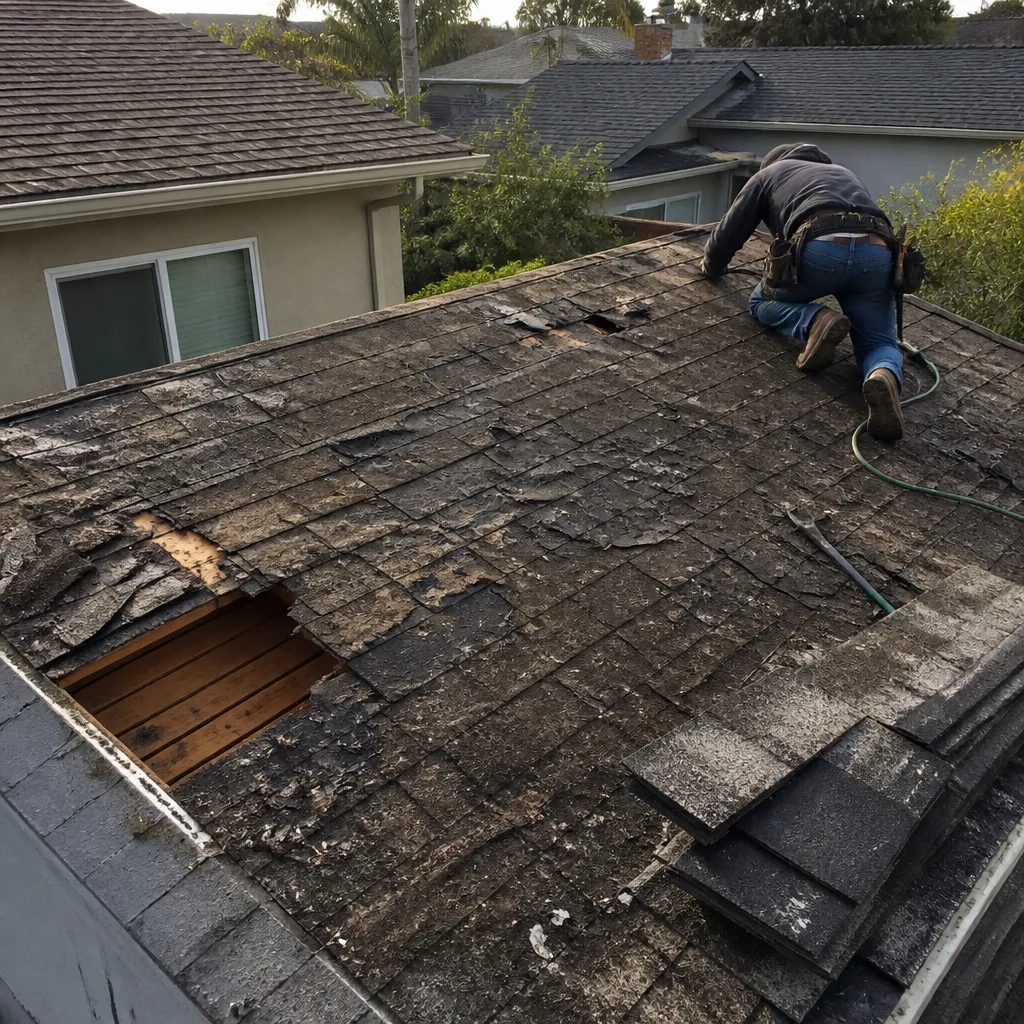 Before
 After
AfterFast, Reliable Roof Installation Across Piñon Hills
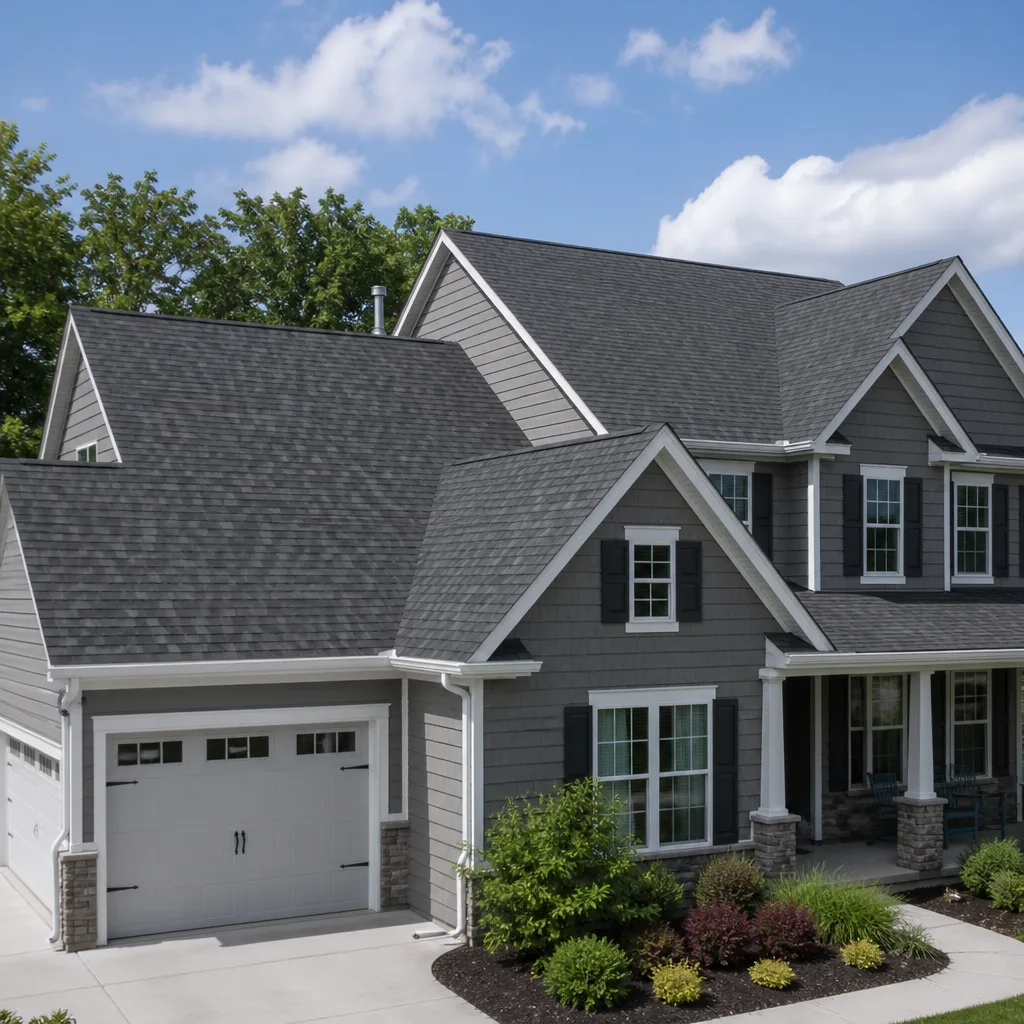
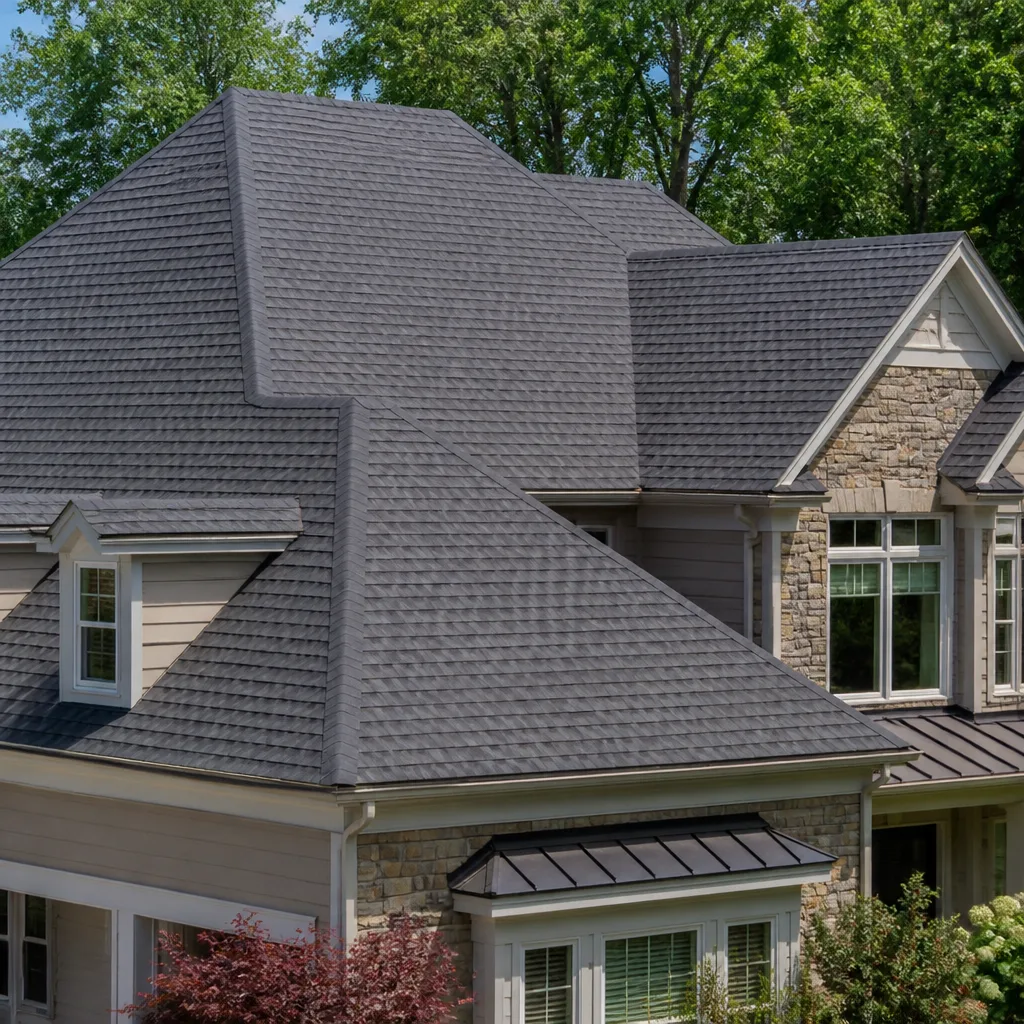
Roof installation in Piñon Hills typically runs $14,500 – $28,000 for a full tear-off and replacement on a standard single-family home, with the final number driven by decking condition, fire-rating requirements, and square footage. Most full replacements take 3 – 6 working days once materials land, though snow season can stretch that timeline. If you’re looking at a roof that’s failing or out of compliance, call us at (743) 200-8347 and we’ll walk you through what your home actually needs.
Piñon Hills is its own animal. We work on homes up here weekly, and we know what 4,000 feet of elevation does to a roof that was spec’d like a low-desert house. That mismatch shows up in sagging decking, recurring leak points, and county permit requirements that catch people off guard. Mercer Roofing has been doing Roof Installation in this community long enough to know the difference between a roof that just looks tired and one that’s quietly failing underneath. If you want a written price before anyone touches your roof, call (743) 200-8347. We’ll put it on paper, line by line.
Why Mercer Roofing Is Piñon Hills’s Preferred Roof Installation Company
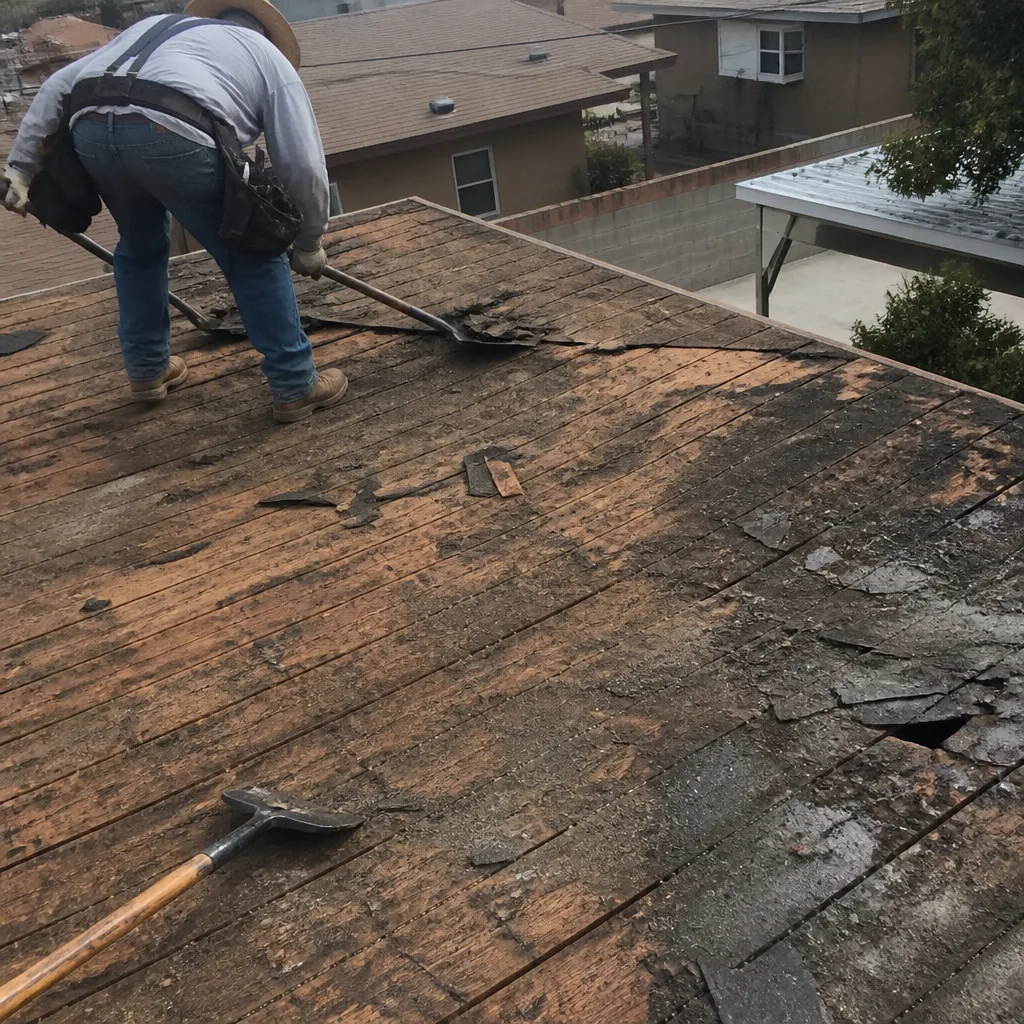
We earned our place in Piñon Hills by doing something most roofers won’t: telling homeowners the truth about what’s under their shingles before we quote the job. That matters up here more than almost anywhere else in the High Desert, because so many of the homes were built to the wrong standard for the actual climate. When we inspected a late-1970s ranch off Goss Road, we found 7/16-inch decking sagging under decades of snow load, rot around every pipe boot, and valleys held together with rust and hope. The homeowner hadn’t budgeted for decking replacement. So we photographed everything, wrote a change order with a fixed number, and got approval in writing before we opened the roof up further. That’s how we work.
Every Mercer Roofing technician who comes to your Piñon Hills property is background-checked, identity-verified, and badged under the Threshold Standard. Before the crew arrives, we send you each technician’s name and photo. When they knock, they present a photo ID at the door. You never have to wonder who’s walking up your driveway. Grant Whitlock leads our team, and he holds every project to one standard: a written price before the first nail, a written 365-Day Done Right Promise on every job, and a live person answering the phone 24/7. That’s not marketing language. That’s how we operate on every roof in Piñon Hills.
Our existing Piñon Hills customers say the same thing in reviews: they knew the price before we started, they knew who was coming, and they didn’t get a surprise invoice at the end. We don’t ask you to trust us. We put it in writing.
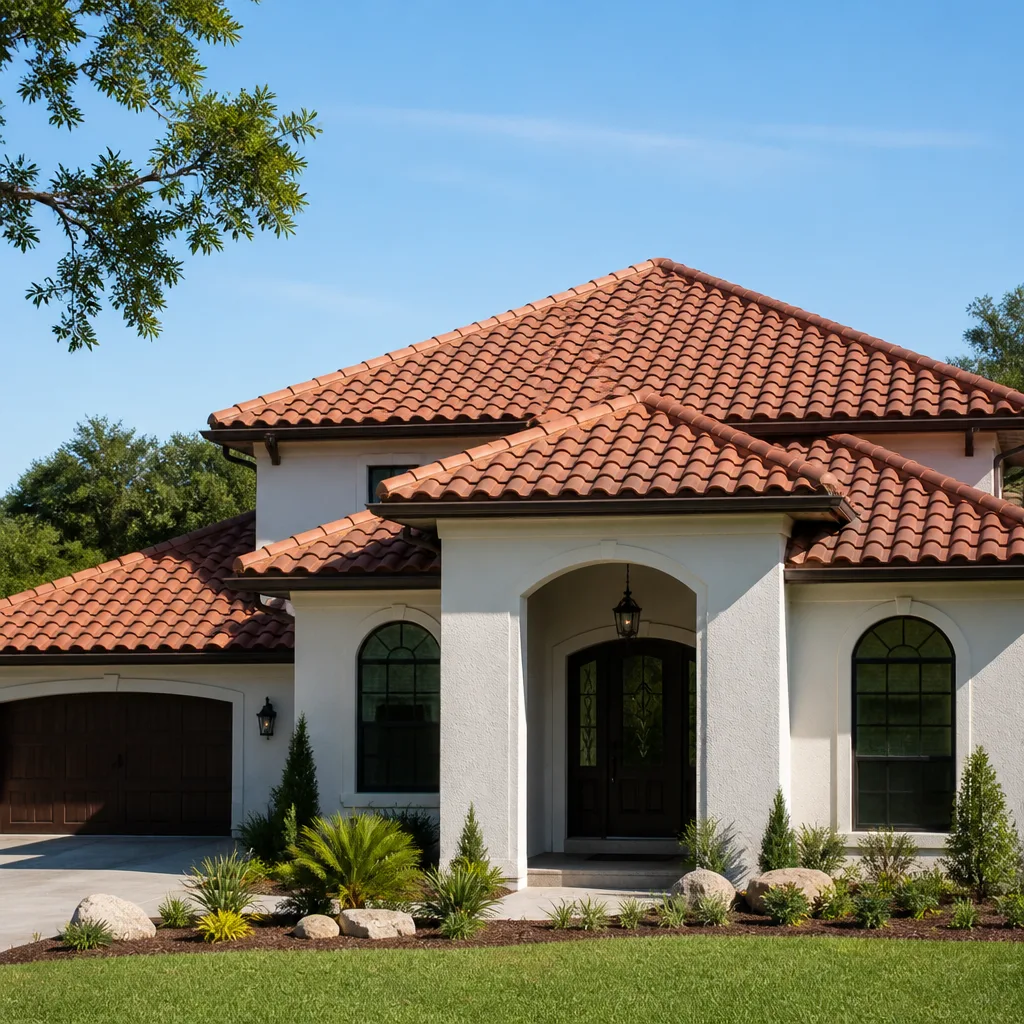
Tile Roof in Piñon Hills
Tile Roof work in Piñon Hills is a different job than tile work down in the valley, because snow load and freeze-thaw cycling puts stress on tiles, battens, and underlayment that coastal and low-desert tile installations never experience. We see a lot of original concrete and clay tile from the 1980s and 90s that’s structurally fine but failing underneath, where the real damage lives. A full tile roof replacement in Piñon Hills typically runs $22,000 – $35,000 depending on tile type, underlayment upgrade, and decking condition. Re-tile over existing framing with new underlayment runs $18,000 – $28,000.
When we do tile in Piñon Hills, we don’t just swap tiles. We pull everything to the deck, inspect for the freeze-thaw damage that always shows up at this elevation, and rebuild the underlayment system to handle snow and meltwater. That’s the part that actually keeps your house dry.
Underlayment First, Tile Second
The tile is the pretty layer. The underlayment is the waterproof layer. In Piñon Hills, underlayment fails long before tile does, because meltwater sits and refreezes underneath. We install a high-grade synthetic underlayment rated for the elevation, and we run ice and water shield through valleys and around penetrations. That’s the difference between a tile roof that lasts 20 years here and one that leaks every January.
Freeze-Thaw and Tile Integrity
The freeze-thaw cycle cracks tiles, but it kills flashing and batten systems. We replace battens with pressure-treated stock, re-set every tile with new fasteners, and replace all flashing instead of trying to caulk around old metal. Caulk doesn’t survive a Piñon Hills winter.
Roof Ventilation in Piñon Hills
Roof Ventilation in Piñon Hills gets overlooked because the damage it causes hides inside the attic, but at 4,000 feet with real snow and hot high-desert summers, ventilation is what separates a roof that lasts 30 years from one that bakes itself apart in 15. We regularly find attics up here running 130 – 150 degrees in July, and that heat doesn’t just make the house harder to cool. It cooks the shingle from underneath and delaminates the decking. A full ventilation correction on a Piñon Hills home typically runs $1,800 – $4,200 depending on attic size, existing venting, and whether we add ridge vents, box vents, or a powered system.
Proper ventilation moves air from the soffits to the ridge. When it works, your roof assembly stays cooler, your shingles live longer, and the snow on your roof melts more evenly instead of thawing at the ridge and refreezing at the eaves, which is the exact pattern that creates ice dams up here.
Ridge Vent and Soffit Balance
Most Piñon Hills homes we inspect have soffit vents that are painted shut, blocked by insulation, or never installed correctly. A ridge vent without working soffit intake pulls air from inside the house instead of outside, and the whole system fails. We check the balance before we add any venting, because adding the wrong vent to a house that already has a problem makes it worse, not better.
Ice Dam Prevention Through Airflow
The freeze-thaw cycle here means snow on the roof melts from attic heat, runs to the eaves, and refreezes. That’s an ice dam, and it’s one of the most common leak sources in Piñon Hills winters. Fixing ventilation and adding proper underlayment at the eaves is the only way to stop it permanently. You can’t caulk your way out of an ice dam.
Trusted Brands We Service in Piñon Hills
We install and service GAF, CertainTeed, and Owens Corning shingles on Piñon Hills homes, and we stock the materials and fasteners these systems require here locally so we’re not waiting on parts from down the hill when we’re mid-job. GAF and CertainTeed both offer high-wind-rated lines that matter up here. The wind events off the north side of Wrightwood and across the flats toward Phelan are real, and a shingle system rated for 110 mph or 130 mph is the difference between a roof that stays put and one that sheds shingles in the first hard blow. If your home runs Owens Corning and you want to match on a repair, we can pull the specific line and color from your existing roof so the patch doesn’t look like a patch.
Common Roof Installation Problems We See in Piñon Hills Homes
- Undersized original decking. A huge share of Piñon Hills homes were framed with 7/16-inch decking, which flexes under snow load and creates nail pops and shingle shedding. The first thing that fails is the decking, not the shingle, and that’s the thing no low-desert roofer checks when they quote a house up here.
- Original wood shake out of compliance. Piñon Hills sits in a State Responsibility Area classified as a High Fire Hazard Severity Zone. San Bernardino County requires Class A fire-rated roofing on all re-roofs, and the original wood shake on many of these homes is no longer legal once the permit is pulled.
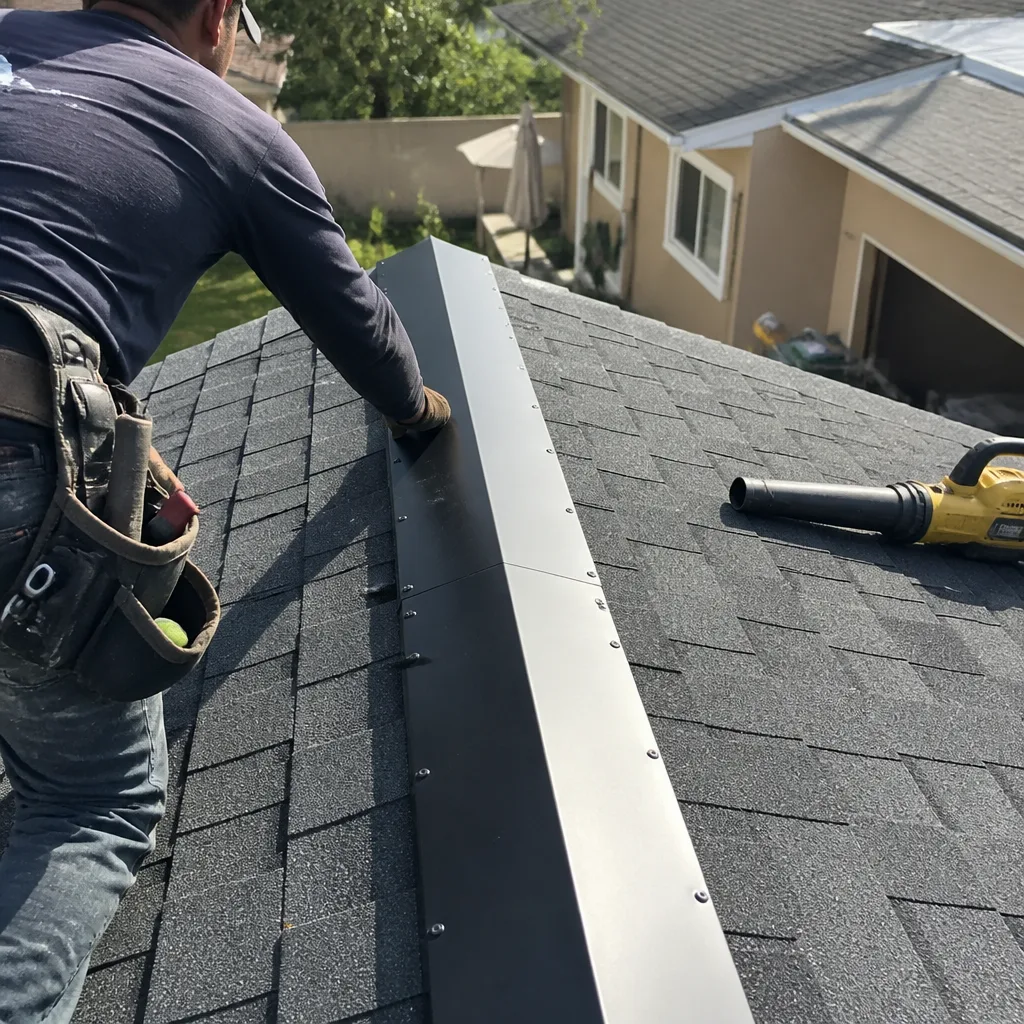
- Failed flashing and ridge cap details. Freeze-thaw cycling works underneath flashings, chimney details, and ridge caps in ways that rarely happen 15 miles north at lower elevation. The leak points come back every winter until the substrate and underlayment are rebuilt.
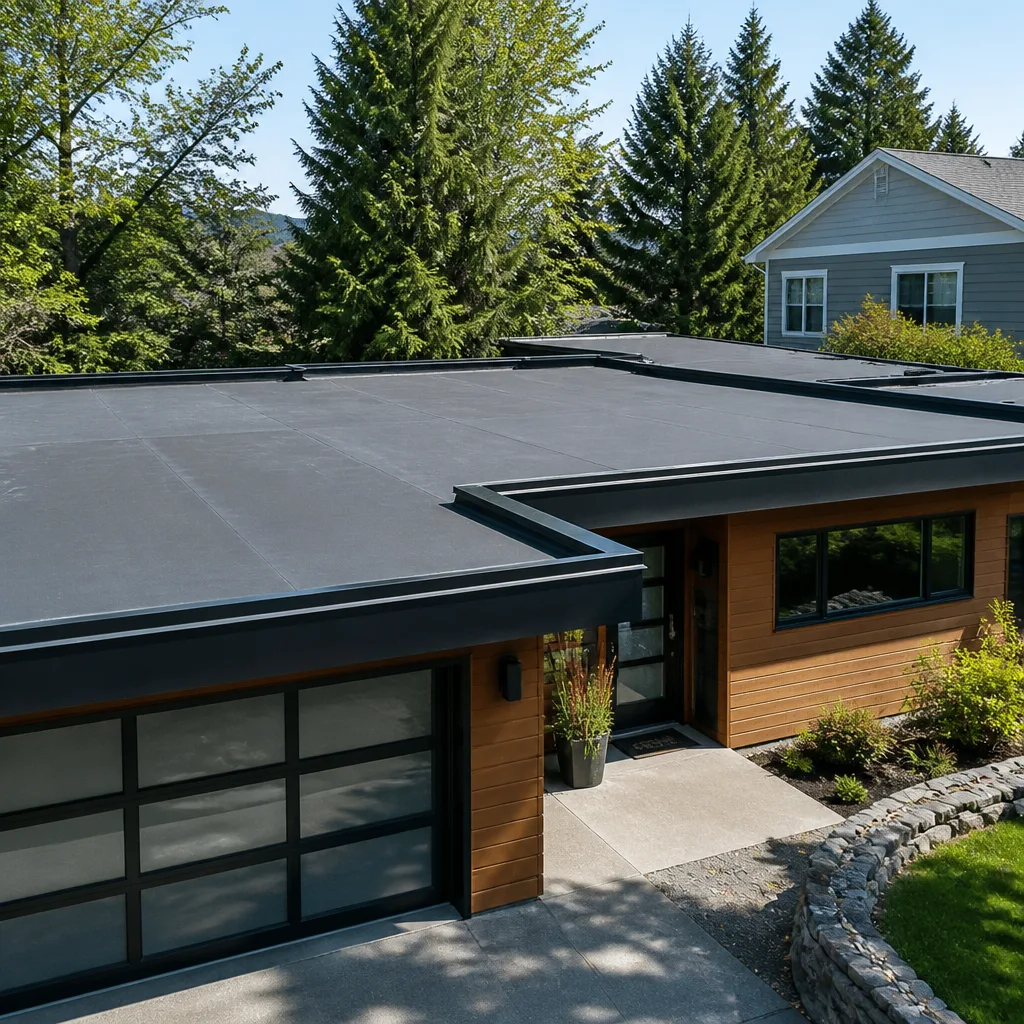
- Manufactured homes with low-slope roofs. A meaningful share of Piñon Hills housing includes manufactured and modular homes with low-slope roofs that pond snowmelt and fatigue membranes. These need a different approach entirely, and most standard roofing crews don’t know how to detail them correctly at this elevation.
Pricing for Roof Installation in Piñon Hills, CA
Here’s what we tell Piñon Hills homeowners before they make a decision: a full tear-off and replacement with Class A architectural shingles runs $14,500 – $28,000 on a typical single-family home, with the range driven by square footage, decking condition, roof complexity, and whether we’re upgrading from wood shake to asphalt. Tile roofs run $22,000 – $35,000 full replacement. Ventilation work runs $1,800 – $4,200. Decking replacement, when needed, typically adds $2.50 – $4.50 per square foot, and that’s the number that moves the most on Piñon Hills jobs because of the original undersized decking so many homes have. Every quote is written, line by line, before we touch your roof. Call (743) 200-8347 and we’ll come out, inspect, and hand you the numbers.
We Also Serve Cities Near Piñon Hills
Mercer Roofing serves Piñon Hills and the surrounding High Desert communities. If you own property near Los Angeles, San Diego, San Jose, or San Francisco and need a crew that understands elevation, fire-rating requirements, and real wind ratings, give us a call at (743) 200-8347. We coordinate roofing work across the region and can tell you over the phone whether your situation matches what we solve every day up here.
Serving Piñon Hills, CA - Our Local Coverage Area
We’re based in the Piñon Hills area and know this community well. Use the map below to see our service coverage - if you’re nearby, we can almost certainly help.
FAQs About Roof Installation in Piñon Hills
Because Piñon Hills sits at 4,000 – 4,500 feet, and Victorville sits much lower. Your roof has to handle snow load, freeze-thaw cycling, and High Fire Hazard Severity Zone requirements that a Victorville roof never faces. The county requires Class A fire-rated roofing on re-roofs in Piñon Hills, and most of the homes up here were originally built with undersized 7/16-inch decking that has to be replaced or reinforced once we open the roof. That decking work, plus the fire-rated material upgrade, is what drives the cost difference. A roofer who quotes you a Victorville price for a Piñon Hills home hasn’t accounted for what’s actually under your shingles. Call (743) 200-8347 and we’ll show you the real numbers, in writing, before you commit to anything.
Your permit will trigger a code upgrade conversation, because Piñon Hills is in a State Responsibility Area classified as a High Fire Hazard Severity Zone, and San Bernardino County requires Class A fire-rated roofing on all re-roofs. Original wood shake doesn’t meet that standard, so a straight replacement isn’t allowed. You’ll be reroofing with a Class A system, which usually means architectural asphalt shingles or a fire-rated tile or metal system. We’ll walk you through what the county requires, pull the permit, and write the price for the compliant system before we start. Call (743) 200-8347 and we’ll explain exactly what your re-roof triggers.
Before we tear off, we inspect what we can see and build a written allowance into the contract for the things we know are likely on a Piñon Hills home of this era: rotted decking around pipe boots, sagging 7/16-inch panels, failed valley flashing. If we find damage beyond the allowance once the roof is open, we stop, photograph everything, and give you a written change order with a fixed number. You approve it in writing before we proceed. We don’t do verbal surprises. Out on a Goss Road horse-property ranch, our crew found decking sagging under decades of snow load and rot around every penetration. The homeowner got a written change order with photos and a fixed price before we nailed a single shingle. That’s the only way we work.
Yes. A meaningful share of Piñon Hills housing includes manufactured and modular homes with low-slope roofs, and those fail differently than pitched roofs. Low-slope roofs pond snowmelt, fatigue membranes at the seams, and develop leaks at the penetrations and edge metal that standard shingle crews don’t know how to detail correctly at this elevation. We handle low-slope work with materials rated for ponding conditions and snow load, and we don’t treat a manufactured home roof like a stick-framed ranch. Call (743) 200-8347 and tell us what you have. We’ll tell you what it actually needs.
The wind rating comes from the shingle’s design and the installation method together. Shingle lines from GAF, CertainTeed, and Owens Corning carry ratings from 110 mph to 130 mph, but the rating only holds if the shingle is nailed correctly into sound decking with the right nail pattern and the right number of fasteners per shingle. That’s why undersized or rotted decking matters so much in Piñon Hills. A 130-mph shingle nailed into 7/16-inch decking that’s delaminating will tear out in the first hard wind event, because the nail can’t hold. On Piñon Hills homes, we almost always address the decking before we trust the shingle’s wind rating. Call (743) 200-8347 and we’ll inspect what your roof is actually attached to.
Written by Grant Whitlock, Owner at Mercer Roofing, serving Piñon Hills and the High Desert.