
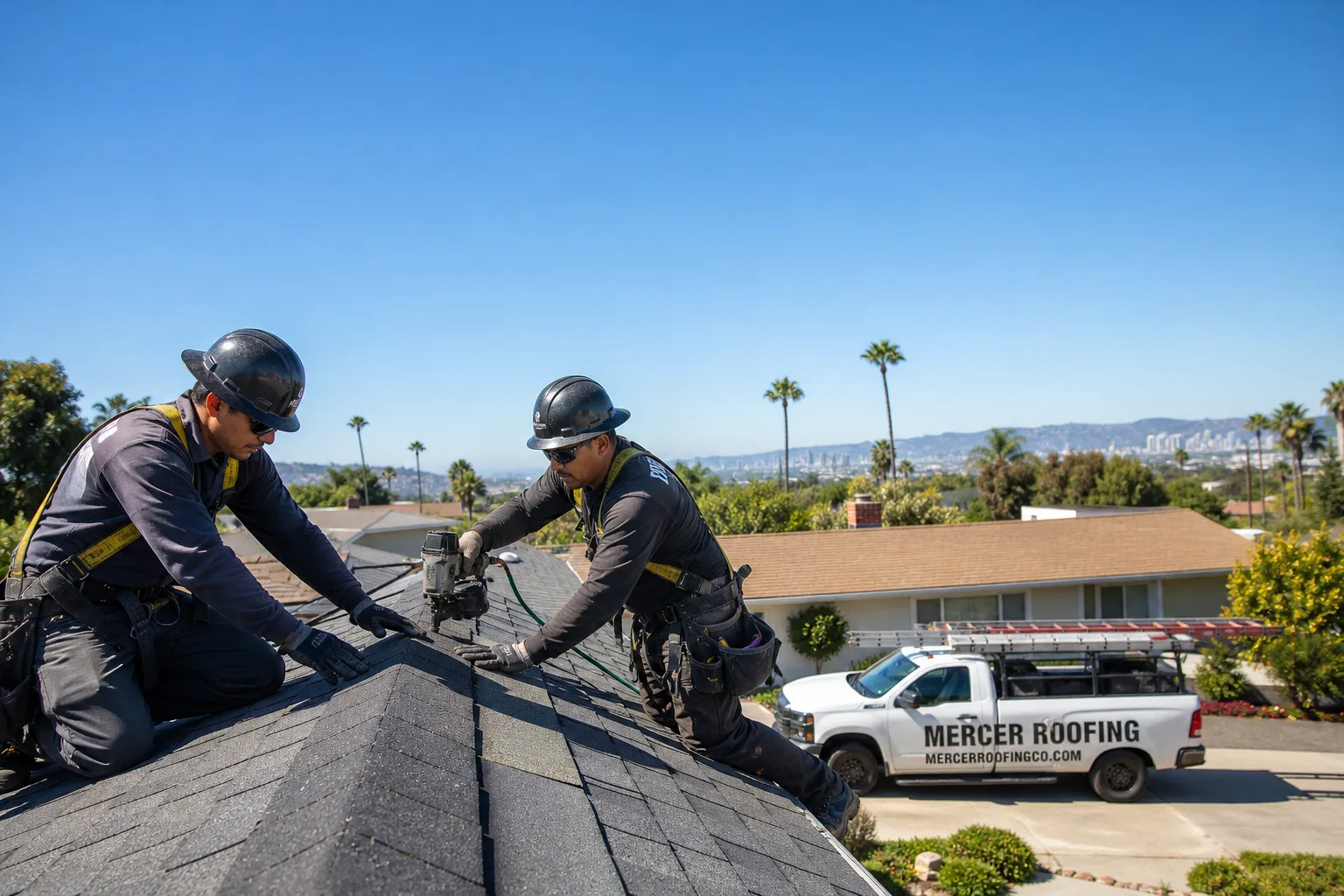
Free roof inspection with deck photos before we talk money - GAF and Owens Corning certified installation
 Before
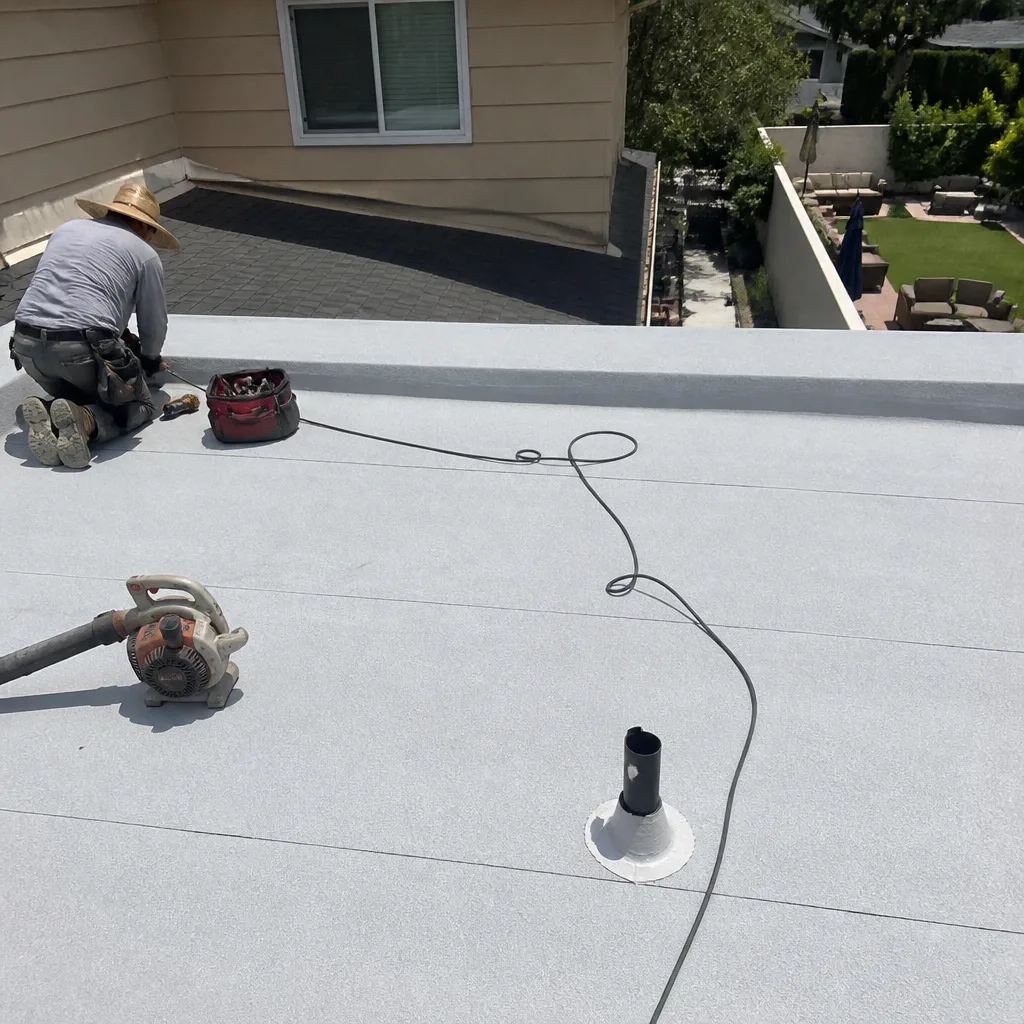 After
After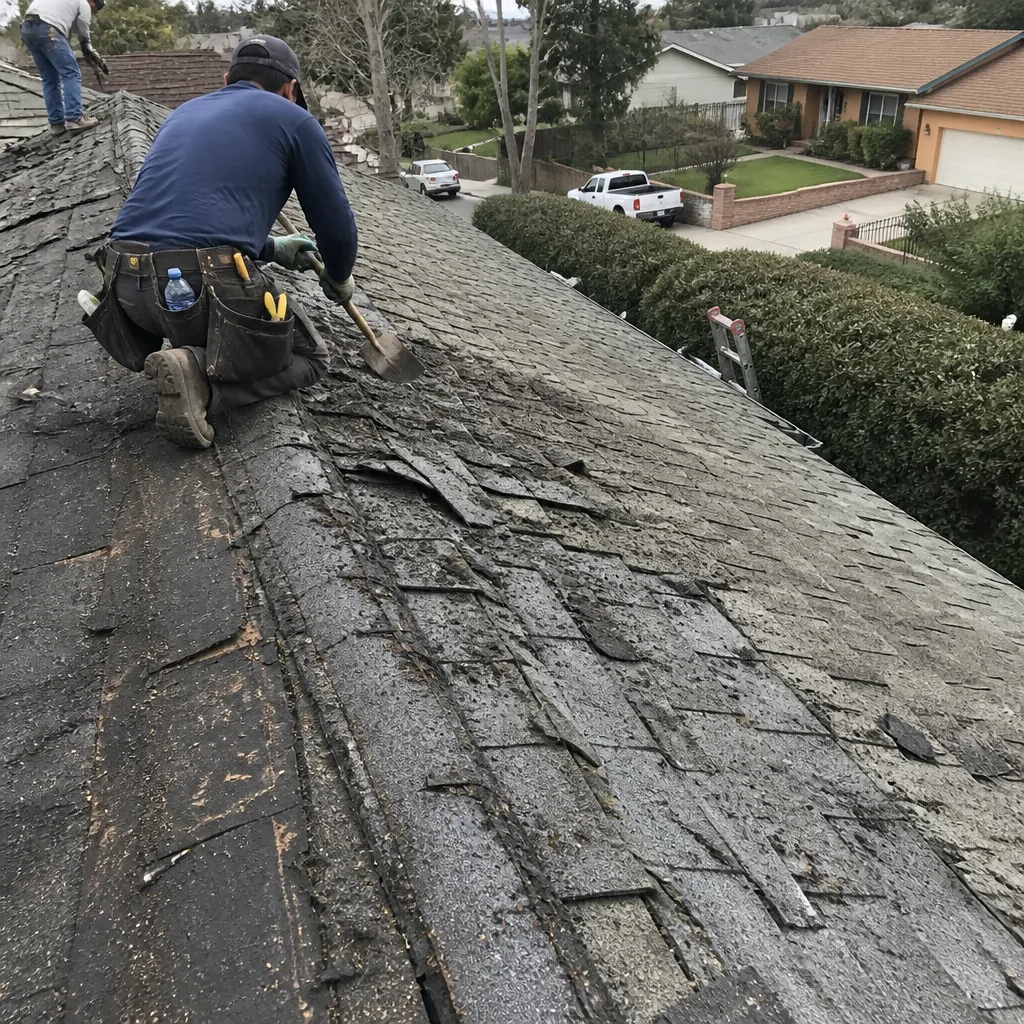 Before
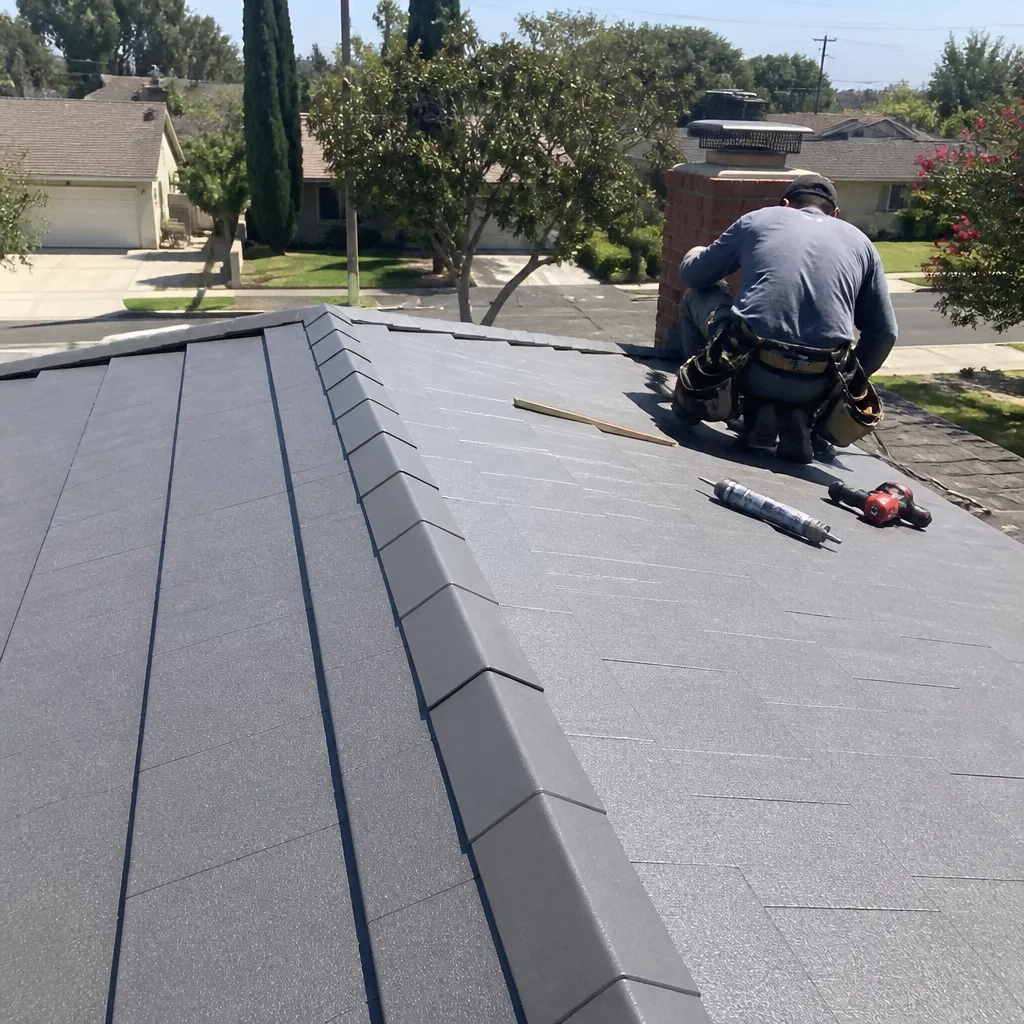 After
After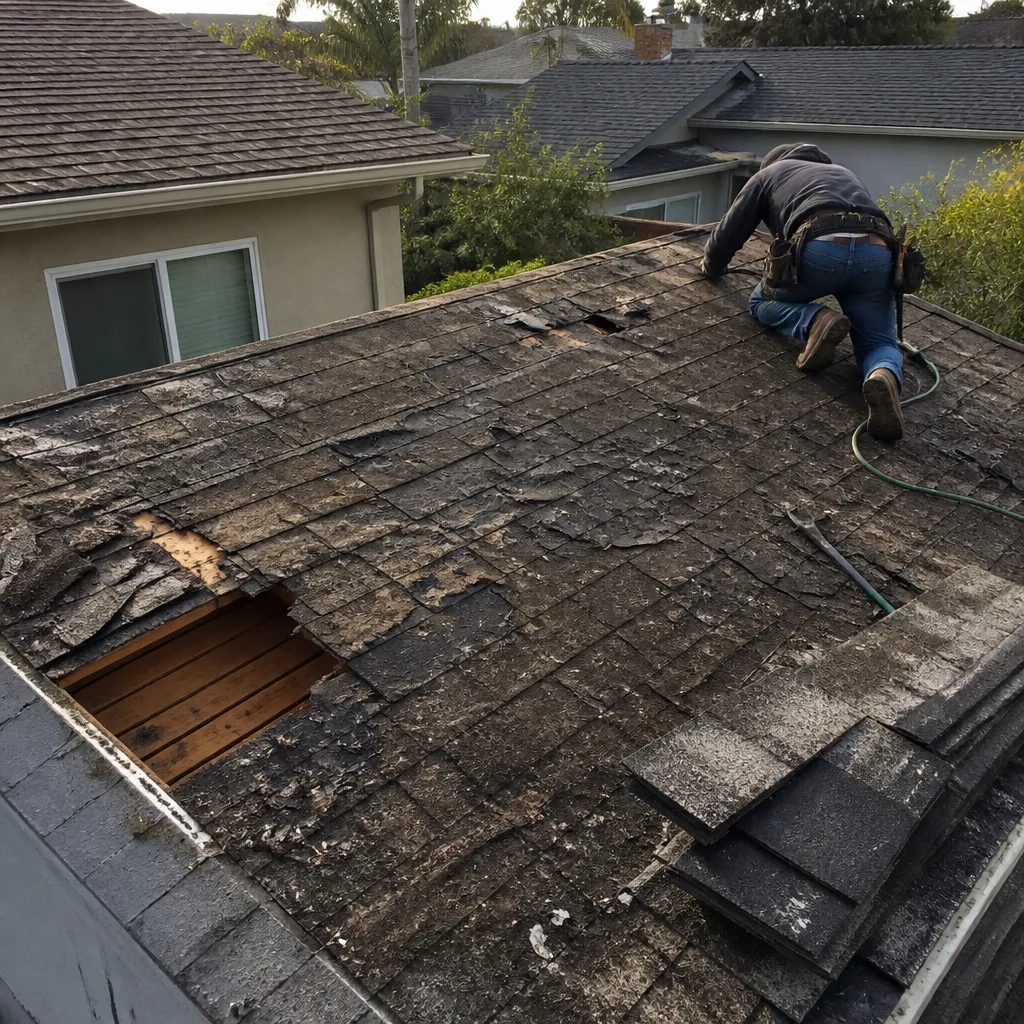 Before
 After
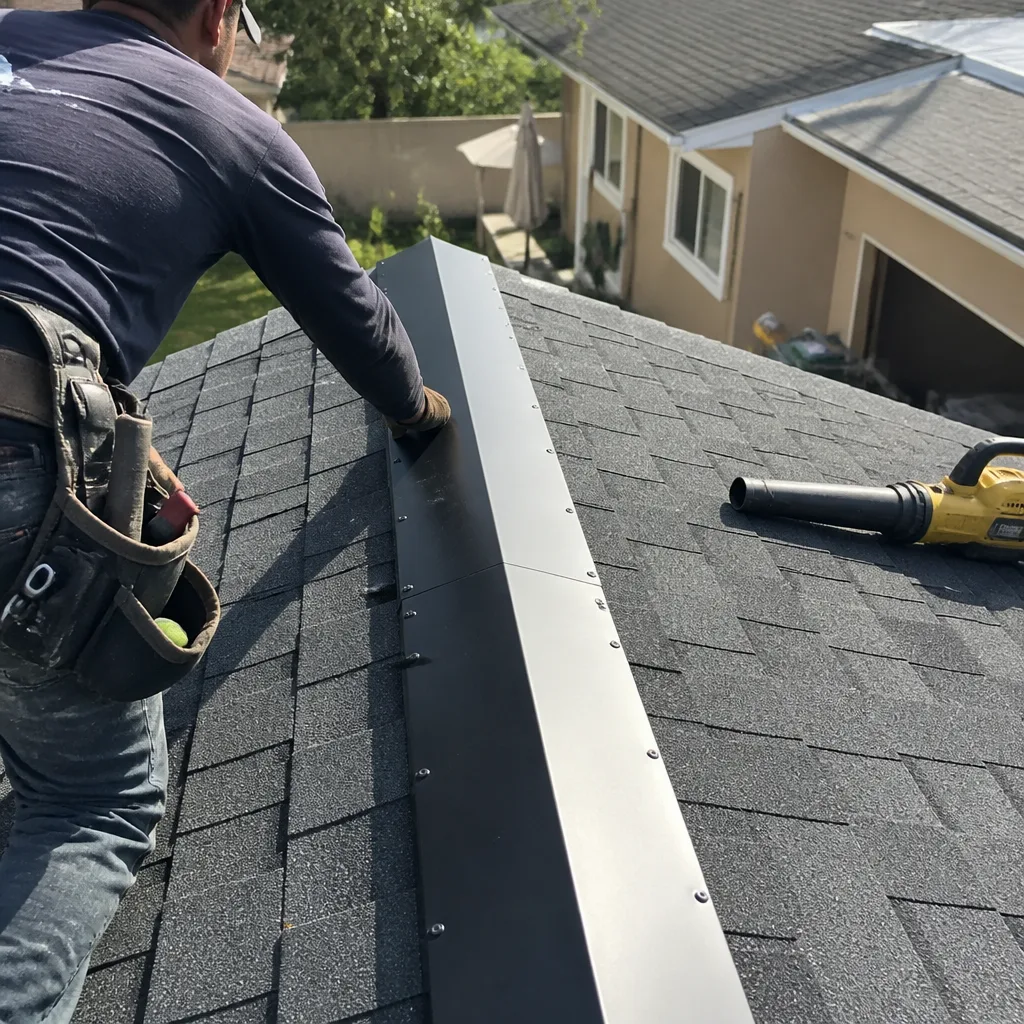
AfterFast, Reliable Roof Installation Across San Lorenzo
A full roof installation in San Lorenzo typically runs $11,500 to $19,800 for a standard Bohannon-era ranch, with most tear-off and replacement jobs completed in two to four days once materials land. The single biggest variable on these Village-grid homes is what we find under the old shingles: stacked layers hiding dry rot, or decking that’s been quietly delaminating since the Truman administration. We scope every San Lorenzo job the same way: probe the known failure points, write the price down, and hand it to you before a single nail comes off the truck.
Call (743) 200-8347 for a free estimate. A real person answers, any hour.
Why Mercer Roofing Is San Lorenzo’s Preferred Roof Installation Company
Mercer Roofing was founded in 2000 and operates as part of the Threshold Group family, which means every technician who steps onto your San Lorenzo property has been background-checked, identity-verified, and badged under the Threshold Verified standard. Before anyone arrives, you get their name and photo. At the door, they present a photo ID badge. That’s not a bonus feature. It’s how we do every visit.
Our crews know the Bohannon tract the way a mechanic knows a specific engine block. We’ve torn off stacked 3-tab layers on Via Arriba, rebuilt low-slope sections near the San Lorenzo Community Park grid, and replaced rotted decking at the exact same front-entry overhang low point on houses two blocks apart. When you call with a roof that’s failing, the person answering uses the real words: flashing, decking, underlayment, valley, drip edge. Then they explain what each one means in plain English and what it costs to fix here.
Every job includes a written price before work starts and a written guarantee on the workmanship. The 365-Day Done Right Promise covers you for a full year: if something isn’t right, we make it right, and that’s in writing.
Why San Lorenzo’s Bohannon Roofs Fail the Way They Do
San Lorenzo’s housing stock is overwhelmingly defined by the David Bohannon – built San Lorenzo Village tract, a massive planned development of nearly identical ranch-style homes constructed in a compressed window from roughly 1944 to 1951. That means a huge share of the community’s roofs are hitting critical end-of-life at the same time. The low-slope roof lines standard to those Bohannon designs, combined with the persistent bay marine layer that blankets this stretch of the East Bay flatlands, create accelerated granule loss and underlayment decay patterns that roofers in neighboring Hayward or San Leandro encounter far less densely.
Because the Village was built street after street to nearly identical plans, we know to probe the same valley intersections and the same low-point at the front entry overhang on nearly every house in the grid. The structural geometry is so uniform that a soft-decking or hidden leak pattern found on one block reliably predicts what we’ll find two blocks away. That’s not true in Castro Valley or Oakland, where rooflines vary house to house. Here, the failure map is almost standardized. That’s an advantage for you: we don’t guess. We look where the problem lives.
Tile Roof in San Lorenzo
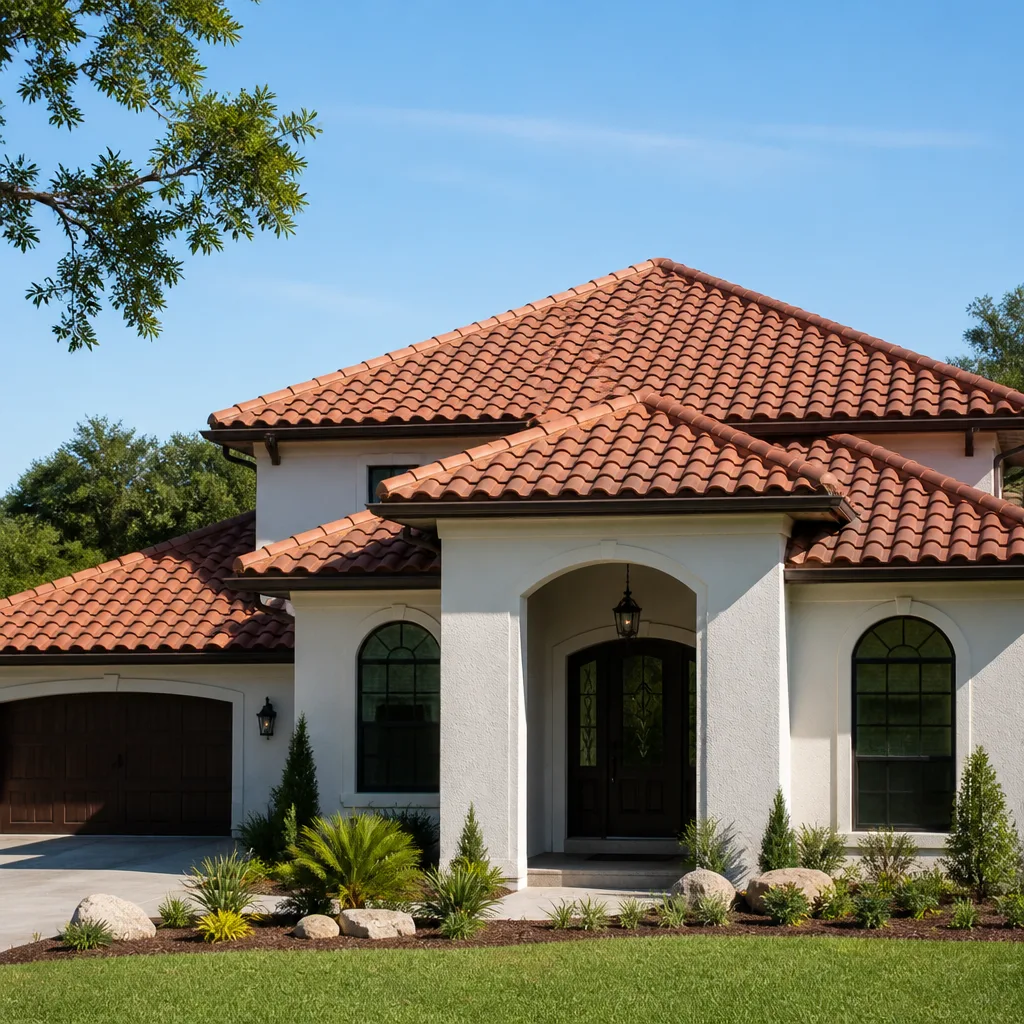
Tile Roof work in San Lorenzo means reinforcing the low-slope Bohannon roof structure before a heavier tile profile ever touches it, because those original 1944 – 1951 ranch frames were engineered for lightweight composite shingles, not concrete or clay. Homeowners choose tile for the look and the lifespan, and on this housing stock it costs $22,000 to $41,000 for a standard 1,200-square-foot ranch, depending on whether we’re doing a full tear-off, a structural reinforcement pass, and which tile profile you pick. The bay salt air that chews through metal flashing also settles into the nooks of tile profiles, so we over-spec underlayment and use corrosion-resistant fasteners on every San Lorenzo tile job.
Structural Reinforcement Before Tile Goes On
The Bohannon ranch frames were built light. Before we install tile on a San Lorenzo Village home, we check rafter spacing and sheathing thickness, and we often add a second layer of plywood or strapping to bring the roof plane up to the dead-load capacity tile requires. Skipping that step is how you get a roof that looks beautiful for nine months and then sags in the middle. We won’t skip it.
Tile Profile Selection for the Fog Belt
Flat-profile tile sheds coastal fog moisture better than high-barrel profiles on low-pitch roofs, and it holds up to the salt air with less pitting than some other profiles. On San Lorenzo’s typical 3-in-12 or 4-in-12 roof lines, we steer most homeowners toward flat profile concrete tile from Boral or Atlas, depending on the color range you’re after. If you want the high-barrel Spanish look, we can do it, but the reinforcement and underlayment specs change.
Roof Ventilation in San Lorenzo
Roof Ventilation in San Lorenzo is the quiet workhorse that keeps a Bohannon ranch attic from becoming a sweatbox nine months of the year, because the daily fog-and-sun cycle here drives moisture into attic spaces faster than homeowners expect. Most Village homes were built with a single gable vent and nothing else, which means the attic doesn’t breathe, the sheathing stays damp, and the decking rots from the inside out. A proper ventilation package on a San Lorenzo ranch runs $900 to $2,400 as part of a full roof installation, depending on whether we’re adding ridge venting along the low-slope ridge, installing intake vents at the eave, or both.
Ridge and Eave Venting for Low-Pitch Ranches
On a low-slope Bohannon roof, passive ridge venting works better than powered fans because there’s barely any attic cavity to move air through with a fan. We cut a continuous ridge slot and add intake at the soffit or eave, and the system moves air using the stack effect, no motor required. That’s the right tool for this geometry, and it means fewer mechanical parts to corrode in the salt air.
Moisture Control and Underlayment Chemistry
The marine layer that sits over San Lorenzo from June through August pushes moisture into any gap in the roof envelope. Good ventilation is half the fix, and the other half is selecting underlayment that can handle repeated wet-dry cycles without peeling. We use synthetic underlayment with high tear resistance on San Lorenzo jobs, and we install ice and water shield in the valleys and around penetrations where bay-driven moisture lingers longest.
Trusted Brands We Service in San Lorenzo
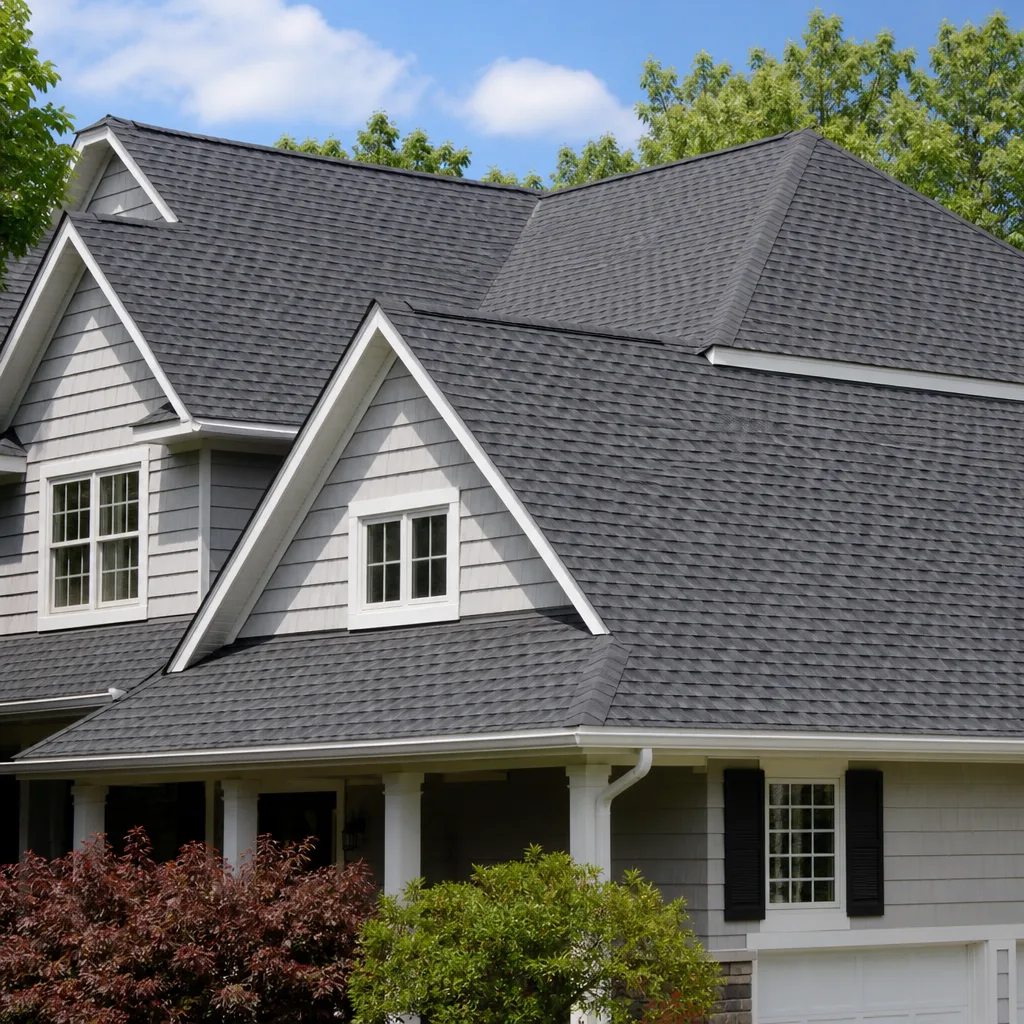
Mercer Roofing installs and repairs shingle and tile systems from GAF, Atlas, and Boral, with access to CertainTeed, Owens Corning, IKO, and Tamko for specific color and profile matches. We stock common GAF architectural shingle colors and Atlas flat-profile tile locally for San Lorenzo customers, which means if your color is a standard Village tone like Weatherwood or Charcoal, we can often pull the material same week rather than waiting on a distribution center. For tile work, Boral’s flat-profile line has the best color depth for the Spanish-inspired Bohannon streetscapes, and we’ll show you physical samples on your roof before you commit to a color.
Common Roof Installation Problems We See in San Lorenzo Homes
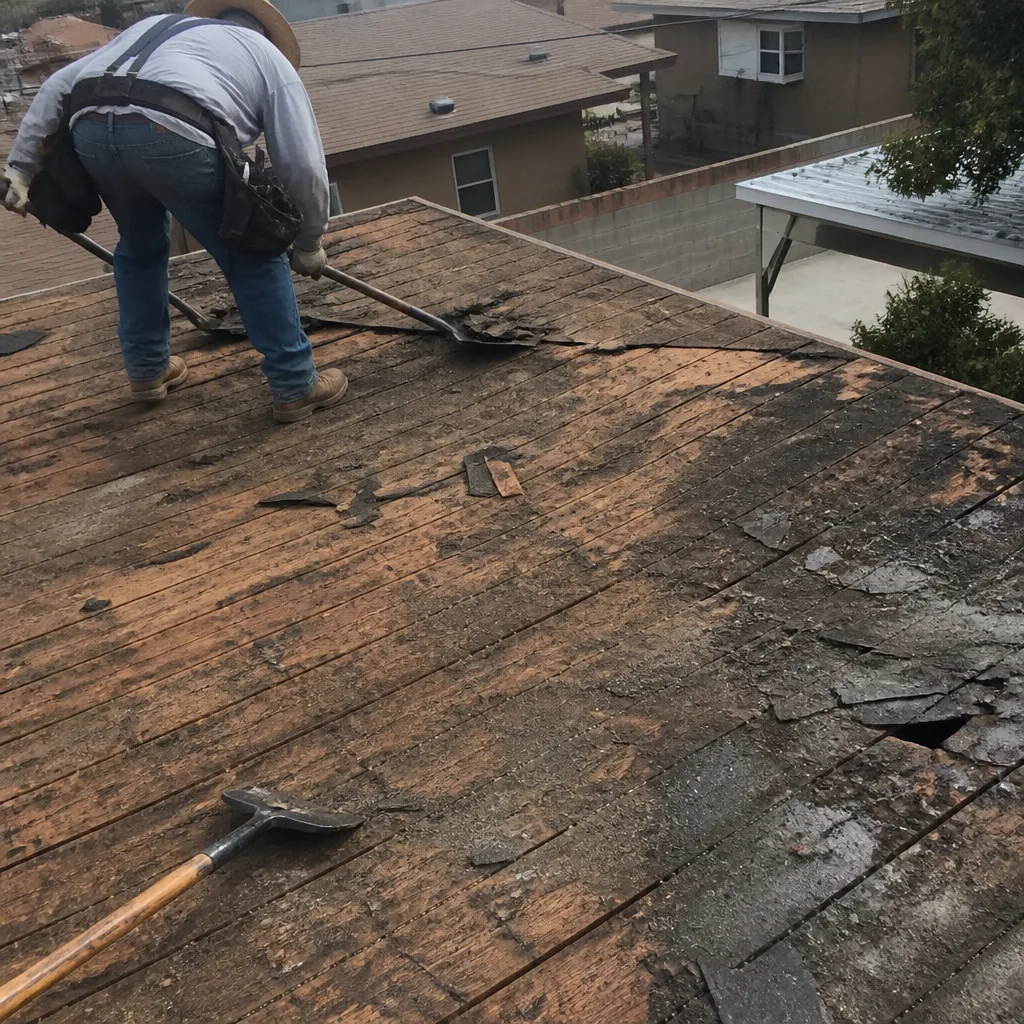
- Stacked re-roof layers hiding decking damage. Most Bohannon homes have had one or two re-roofing layers nailed over the original 1944 – 1951 sheathing. We don’t know the decking condition until tear-off, so we scope a reasonable contingency for replacement board-by-the-sheet and explain it in the written quote before work starts.
- Salt-air corrosion of flashing and fasteners. Metal drip edge, valley flashing, and nail heads corrode faster on the bay plain than they do ten miles inland. We replace drip edge on every San Lorenzo full install and use stainless or electro-galvanized fasteners as standard on coastal-exposure roofs.
- The front-entry overhang low point. On nearly every Village house, the entry overhang is the low point of the roof plane, and water pools there during the wet season. If the crew doesn’t probe that exact spot, they miss the leak that’s been staining your ceiling for two winters.
- Concentrated wet-season rainfall exposing latent flashing failures. San Lorenzo gets roughly 16 to 18 inches of rain a year, and nearly all of it lands between November and March. That short, intense window finds every pre-existing flashing gap and low-slope drainage deficiency at once, which is why so many San Lorenzo homeowners discover their roof is done the same week the first real storm hits.
Pricing for Roof Installation in San Lorenzo, CA
We Also Serve Cities Near San Lorenzo
Our Roof Installation team serves the full East Bay corridor, including Castro Valley, San Leandro, Union City, and Oakland. If you’re outside the immediate San Lorenzo grid but dealing with the same bay-salt corrosion or an aging postwar roof, call us and we’ll schedule the same written-price process for your home.
Serving San Lorenzo, CA - Our Local Coverage Area
We’re based in the San Lorenzo area and know this community well. Use the map below to see our service coverage - if you’re nearby, we can almost certainly help.
FAQs About Roof Installation in San Lorenzo
Because the San Lorenzo Village tract was built between roughly 1944 and 1951 as a single planned development, meaning most roofs in the community hit the 25- to 30-year end-of-life window within the same decade-long band, and many are now overdue. The original 3-tab shingles and their first replacement layer are both failing at once on a large share of homes. If you’re noticing granule loss in your gutters or ceiling stains near the front entry, your neighbors two streets over are likely seeing the same thing.
Yes, it changes the underlayment, the ventilation approach, and the fastening pattern. Low-pitch roofs don’t shed water as fast as steep roofs, so we use more ice and water shield in the valleys and around penetrations, and we install a low-profile ridge vent instead of a standard one. The 3-in-12 or 4-in-12 geometry also means tile requires structural reinforcement before it goes on. Call (743) 200-8347 and we’ll walk you through what your specific roof pitch requires.
Because the Bohannon tract homes share the same architectural plans, including the same low point at the front entry overhang and the same valley intersections, so we’ve learned exactly where water pools and decking rots on these houses. We probe those points before quoting so we can give you an honest number instead of a surprise after tear-off. It’s a San Lorenzo-specific shortcut that only works because the housing stock is so uniform.
Salt-laden marine air accelerates corrosion on metal flashing, drip edge, and fasteners, so a roof installed with standard galvanized components will fail at the metal parts before the shingle field wears out in San Lorenzo. We specify corrosion-resistant fasteners and replace drip edge and valley flashing as part of every full installation in this area. Inland East Bay homes don’t face the same corrosion load, which is one reason a generic roofing quote doesn’t fit San Lorenzo.
Ask whether the quote includes decking replacement, what class of underlayment and fasteners they’re using, whether they’re replacing the drip edge and valley flashing, and whether they’ll show you a written price before work starts. Also ask if they’ll probe the front entry overhang low point on a Village home. If they don’t know what that means, they haven’t worked the Bohannon grid. Call (743) 200-8347 for a free estimate, and we’ll answer all of it in writing.
Written by Grant Whitlock, Owner at Mercer Roofing, serving San Lorenzo since 2000.