
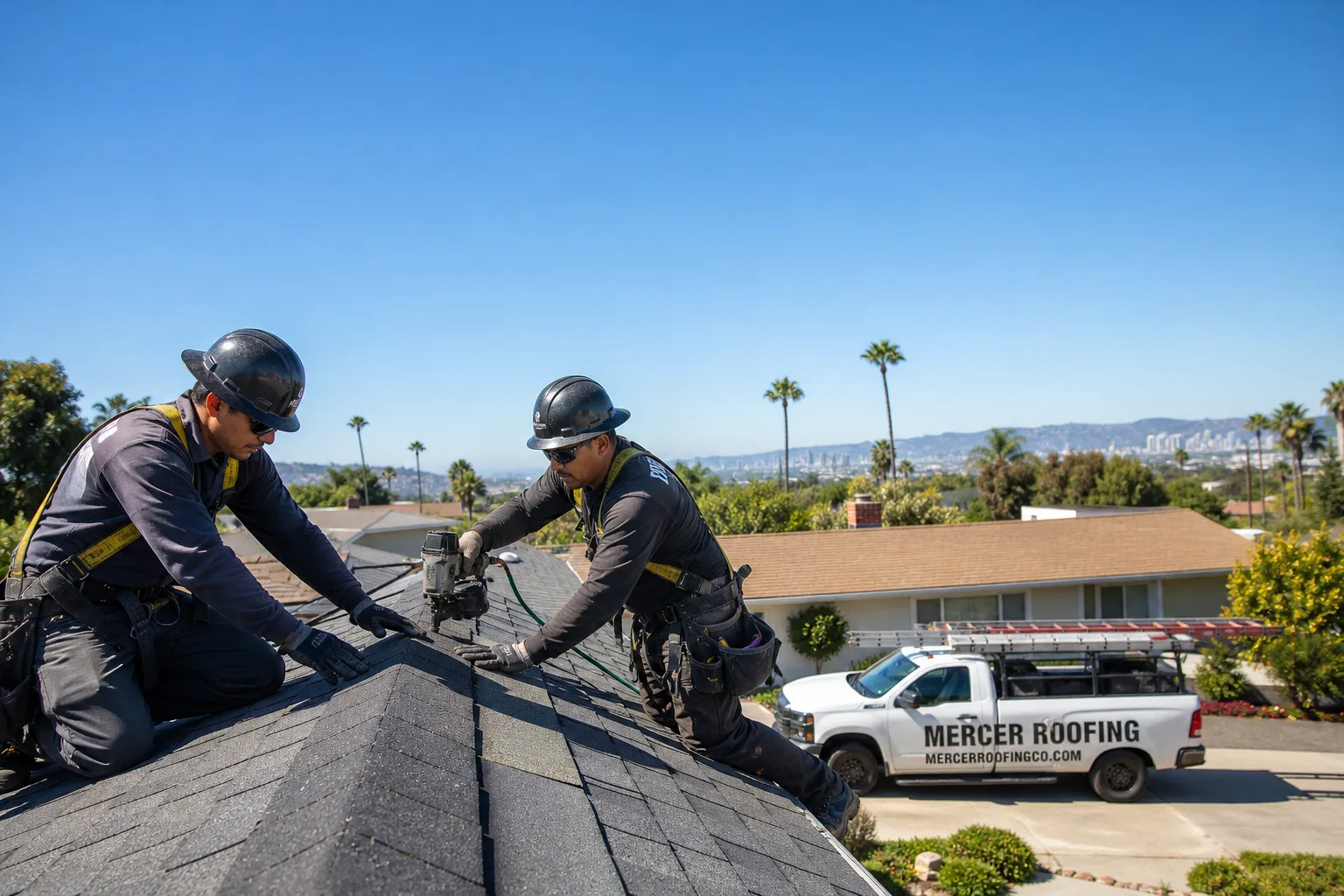
Free roof inspection with deck photos before we talk money - GAF and Owens Corning certified installation
 Before
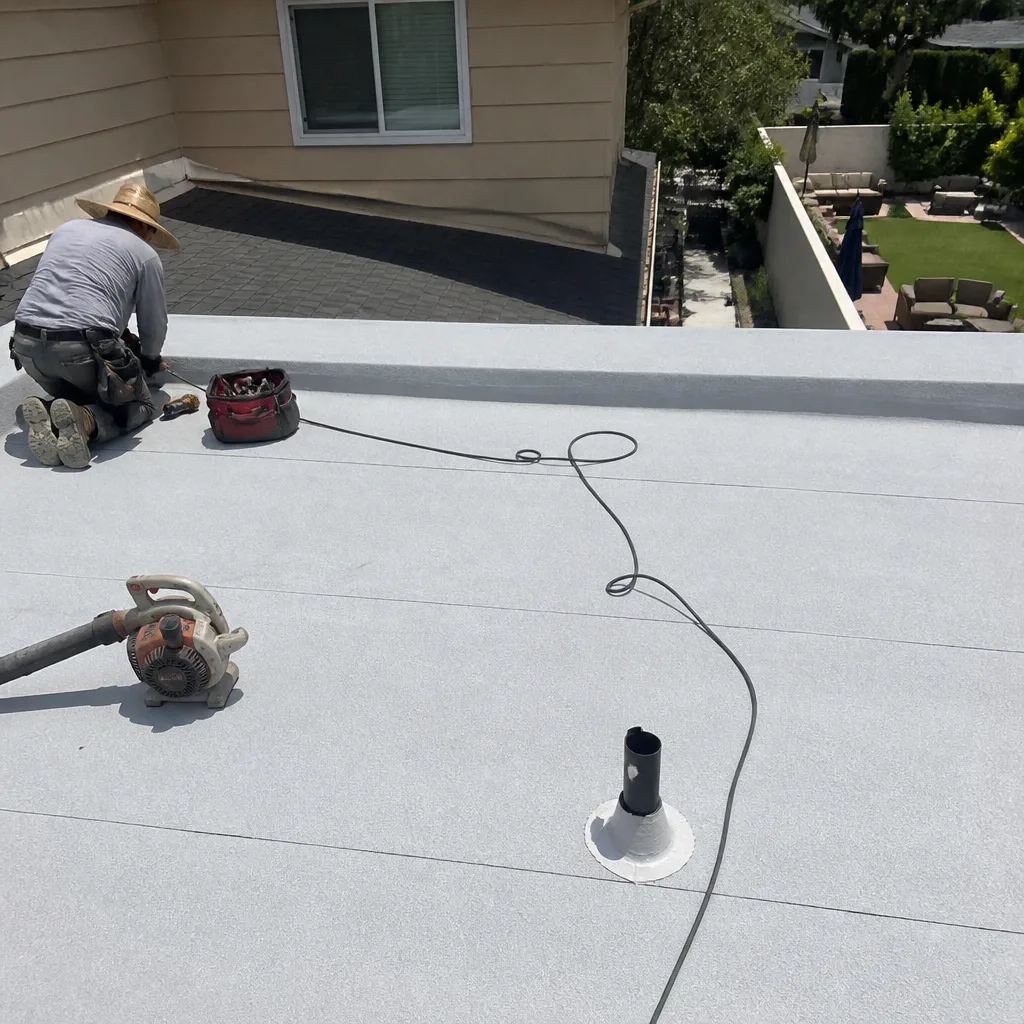 After
After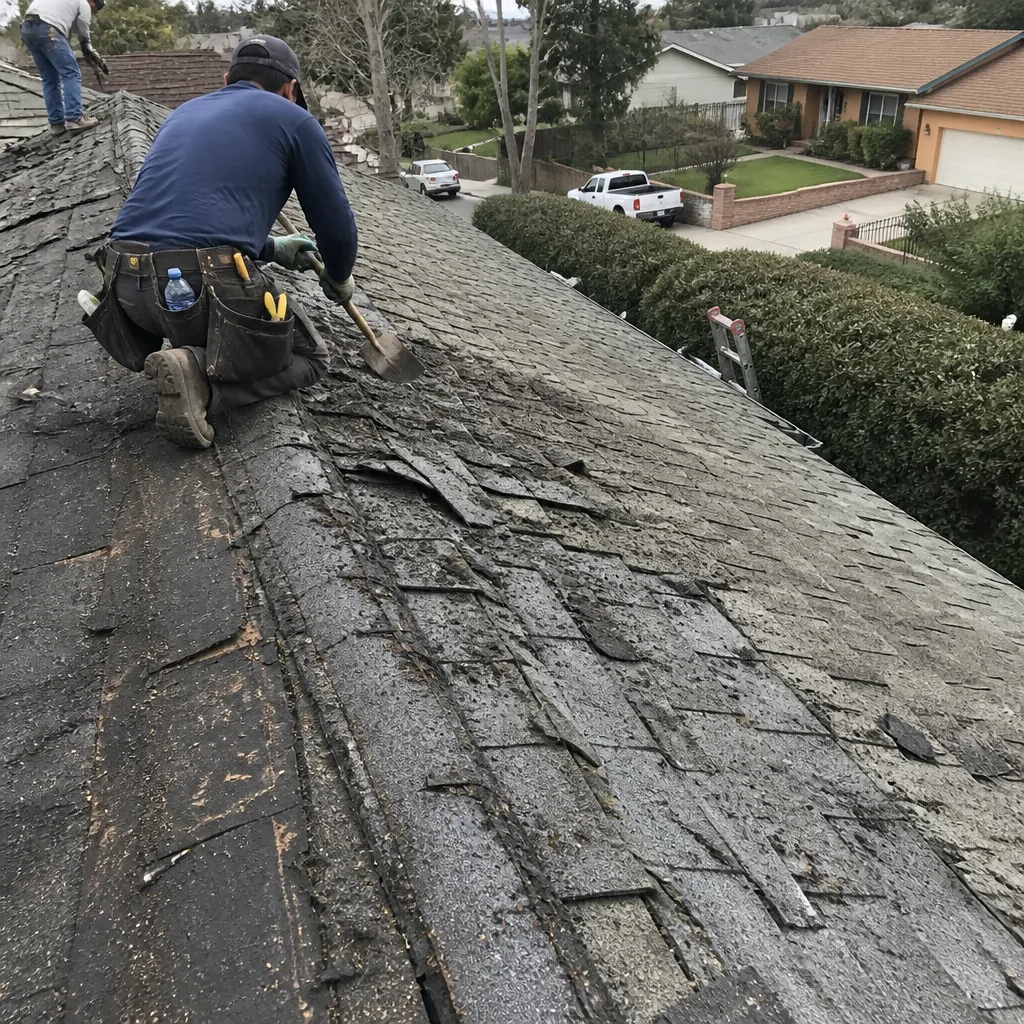 Before
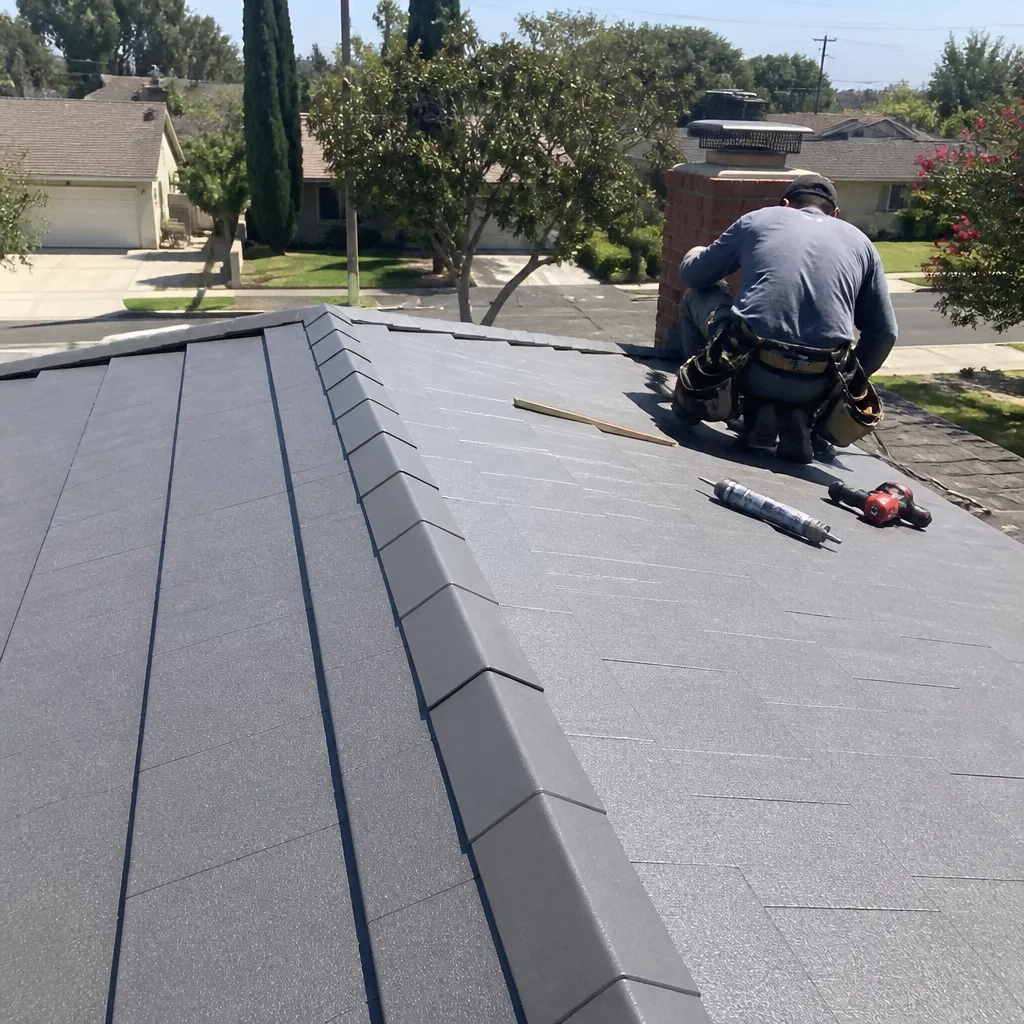 After
After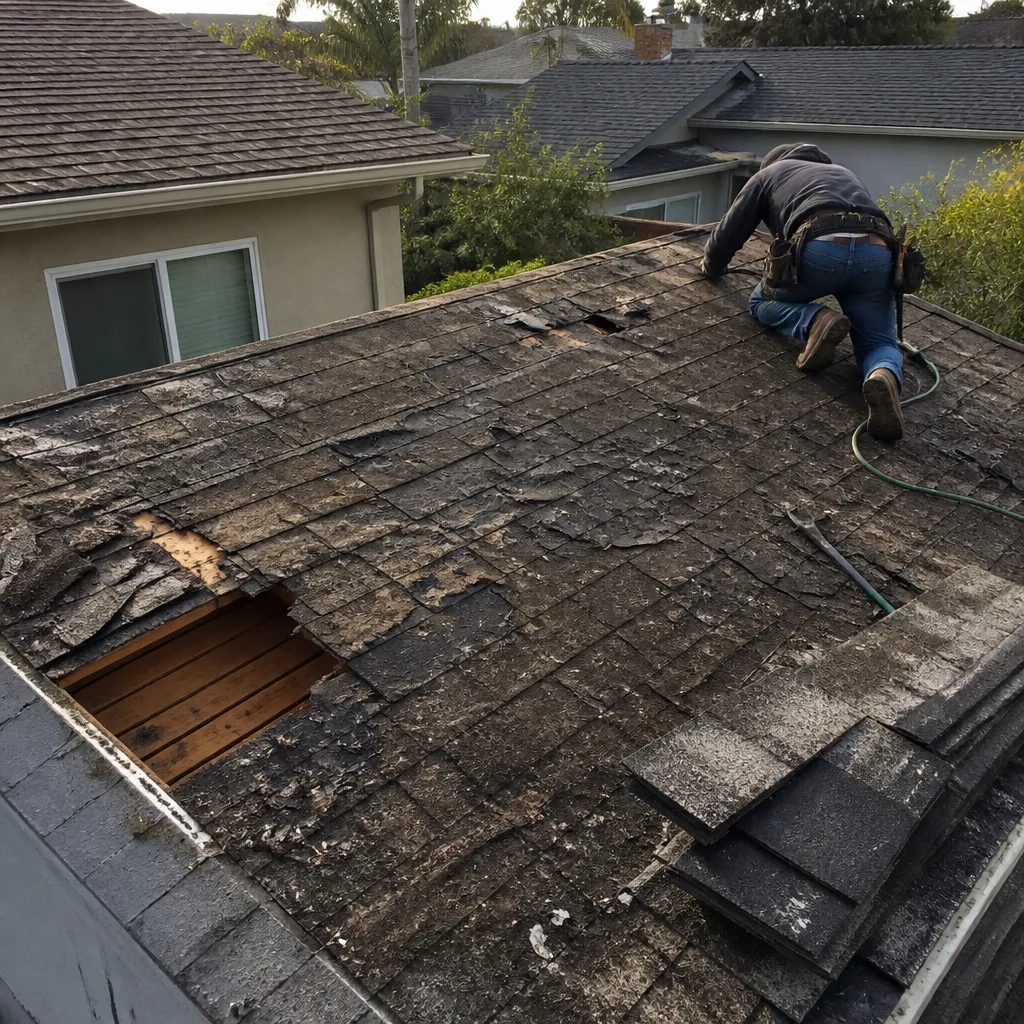 Before
 After
AfterFast, Reliable Roof Installation Across Castro Valley
A new roof in Castro Valley is not a one-size-fits-all job. Between the unincorporated county permitting, the Very High Fire Hazard Severity Zone (VHFHSZ) material requirements, and the steep hillside lots that define much of the community, roofing here demands a contractor who actually works in this specific set of conditions, not someone driving up from flat-land habits. We plan every Castro Valley installation around the real things that affect your home: slope, access, fire-rating documentation, and the marine layer that keeps north-facing decking damp into late morning. Call (743) 200-8347 for a written, line-item estimate before a single nail is driven.
Why Mercer Roofing Is Castro Valley’s Preferred Roof Installation Company
Mercer Roofing has been installing roofs since 2000, and the Castro Valley work we take on today looks very different from the flat tract roofing you see over the hill in San Leandro. We know the Palomares Road slopes, the Canyon area’s tight shared easements, the split-levels along Crow Canyon, and the 1950s ranches off Redwood Road that still carry original wood shake. Our Castro Valley customers consistently tell us the same thing: the written price, the photo-badged technician at the door, and the fact that we handle the county’s fire-rating paperwork correctly the first time are what made them choose us.
Every technician who arrives at a Castro Valley home is background-checked, uniformed, and carrying a photo ID badge under the Threshold Verified standard. You get their name and photo sent to you before they knock. That matters when you are home alone, when your kids are doing homework in the next room, or when you have spent years avoiding opening your door to strangers. Mercer Roofing is part of the Threshold Group family, founded in 2000, and each location is independently owned and operated, held to that same standard on every visit. Led by Grant Whitlock, our Bay Area teams coordinate Castro Valley scheduling and dispatch from the San Francisco Bay Area office, and live people answer our phones 24/7. Not a voicemail tree.
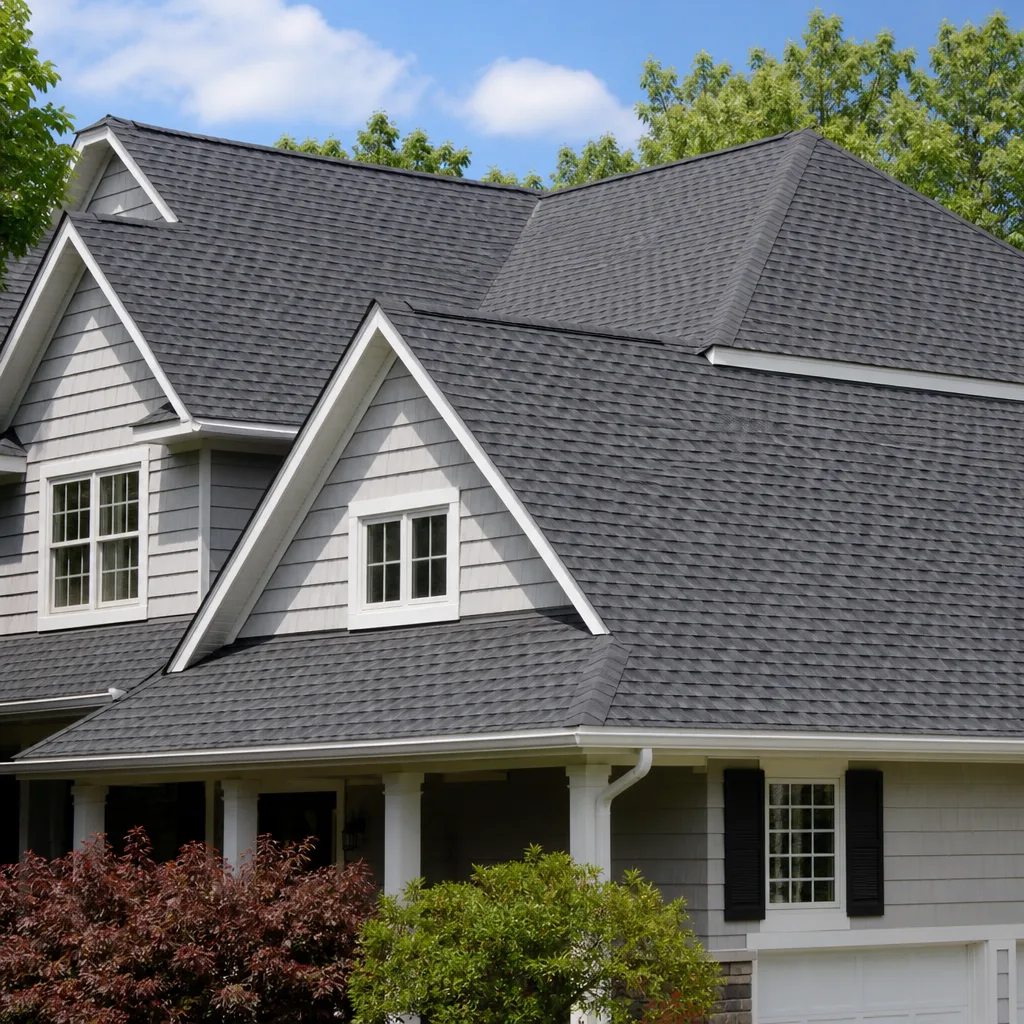
Shingle Roof in Castro Valley
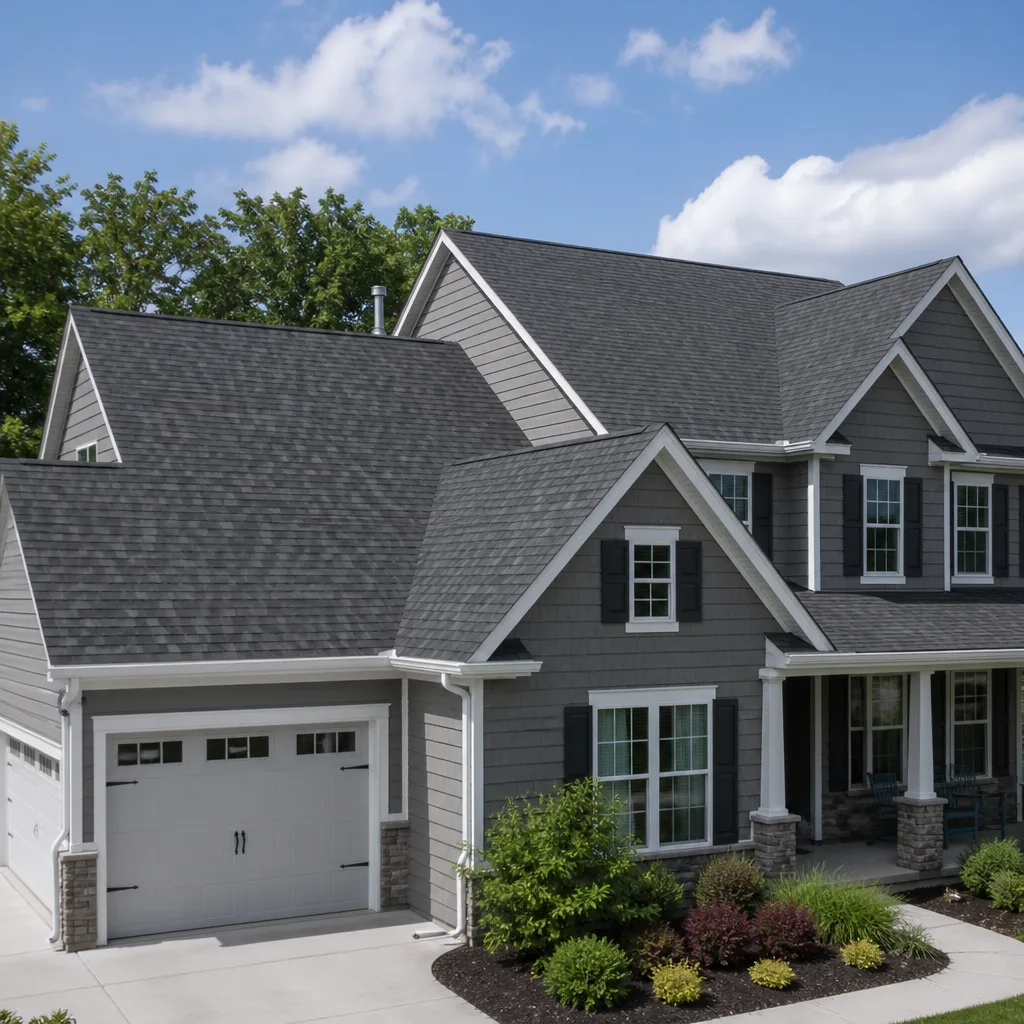
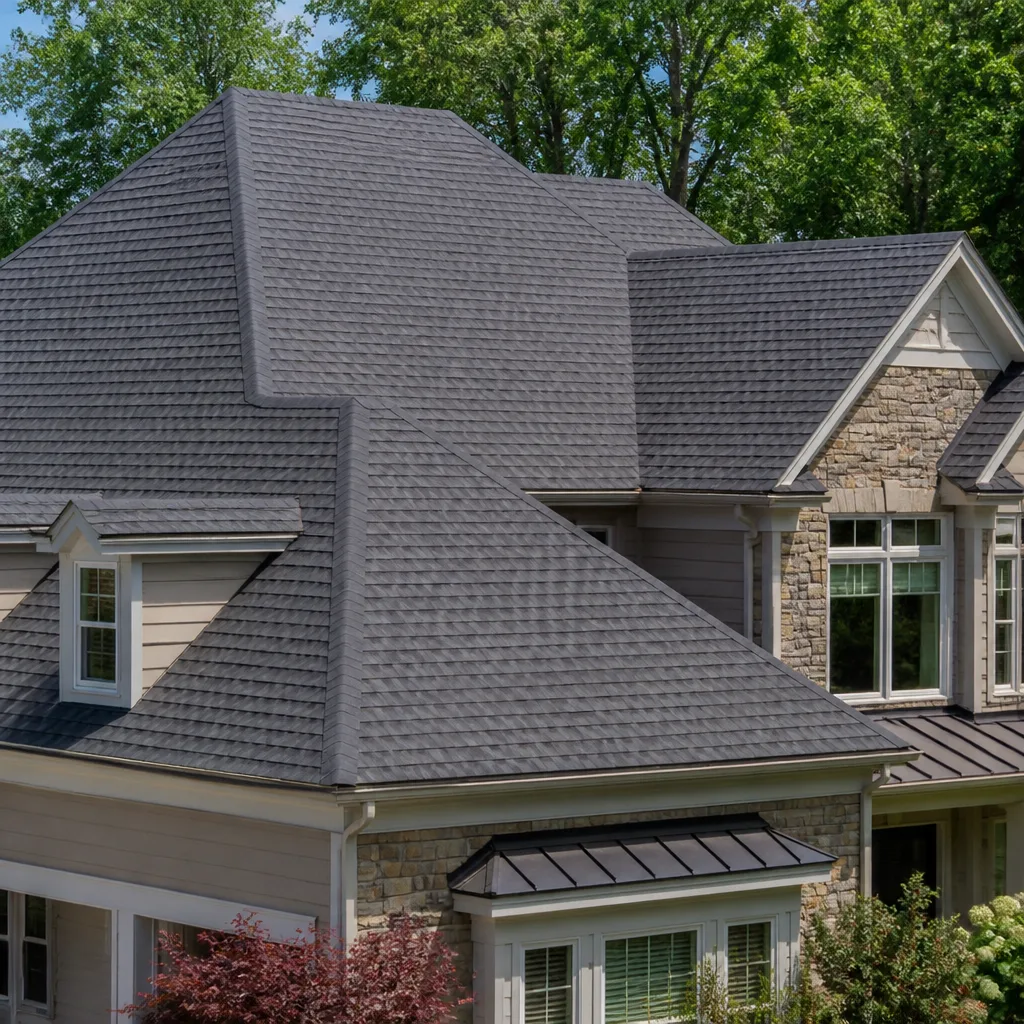
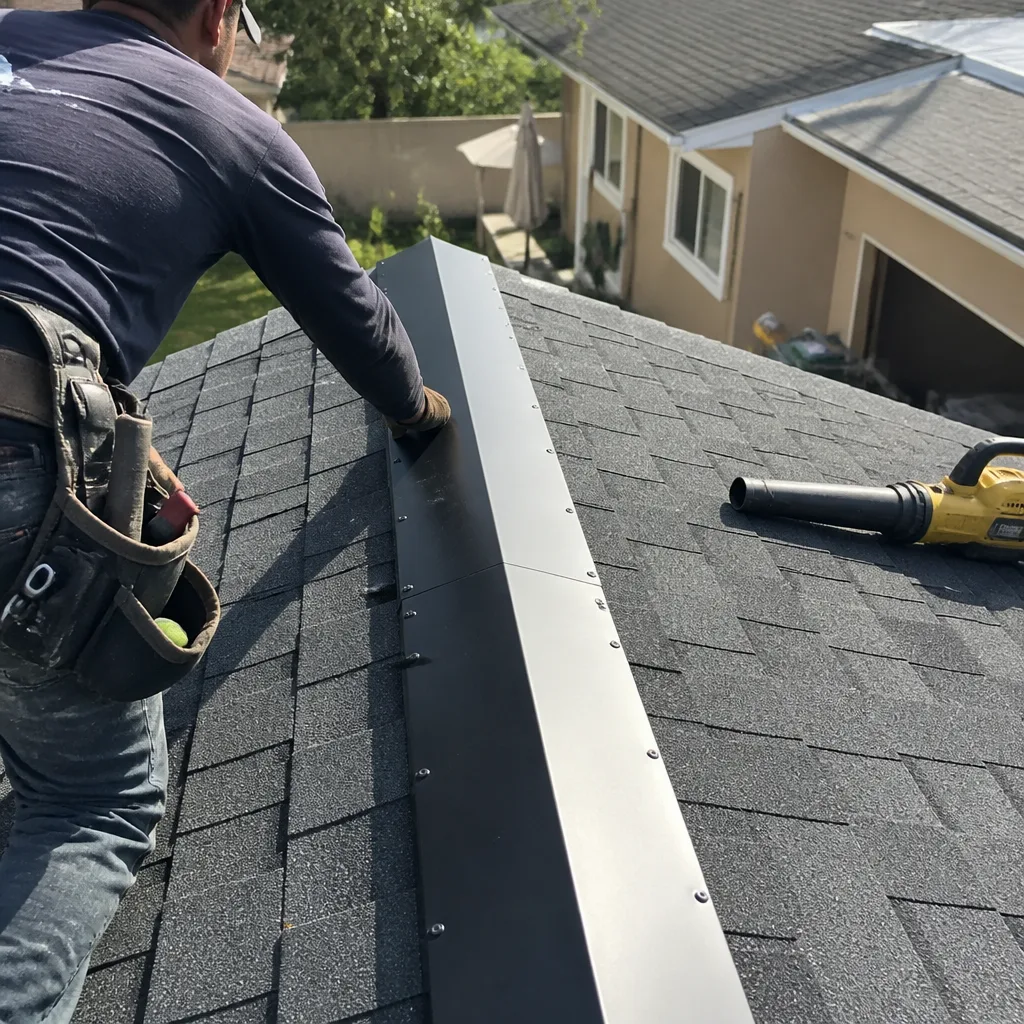
Shingle roof installation in Castro Valley is the most common replacement we handle, and the local housing stock shapes nearly every bid. The postwar boom left Castro Valley with a dense inventory of 1950s through 1970s ranch and split-level homes, many still wearing original wood shake or early composition shingles. In the hillside VHFHSZ zones, that means the job is rarely a straight one-for-one swap. It is a mandatory upgrade to a Class A fire-rated shingle system. A typical architectural shingle roof replacement in Castro Valley runs $12,000 to $22,000 for a standard ranch, with steeper hillside homes and multi-layer tear-offs pushing toward $28,000 to $34,000 depending on decking replacement and access constraints.
What the Job Actually Involves Here
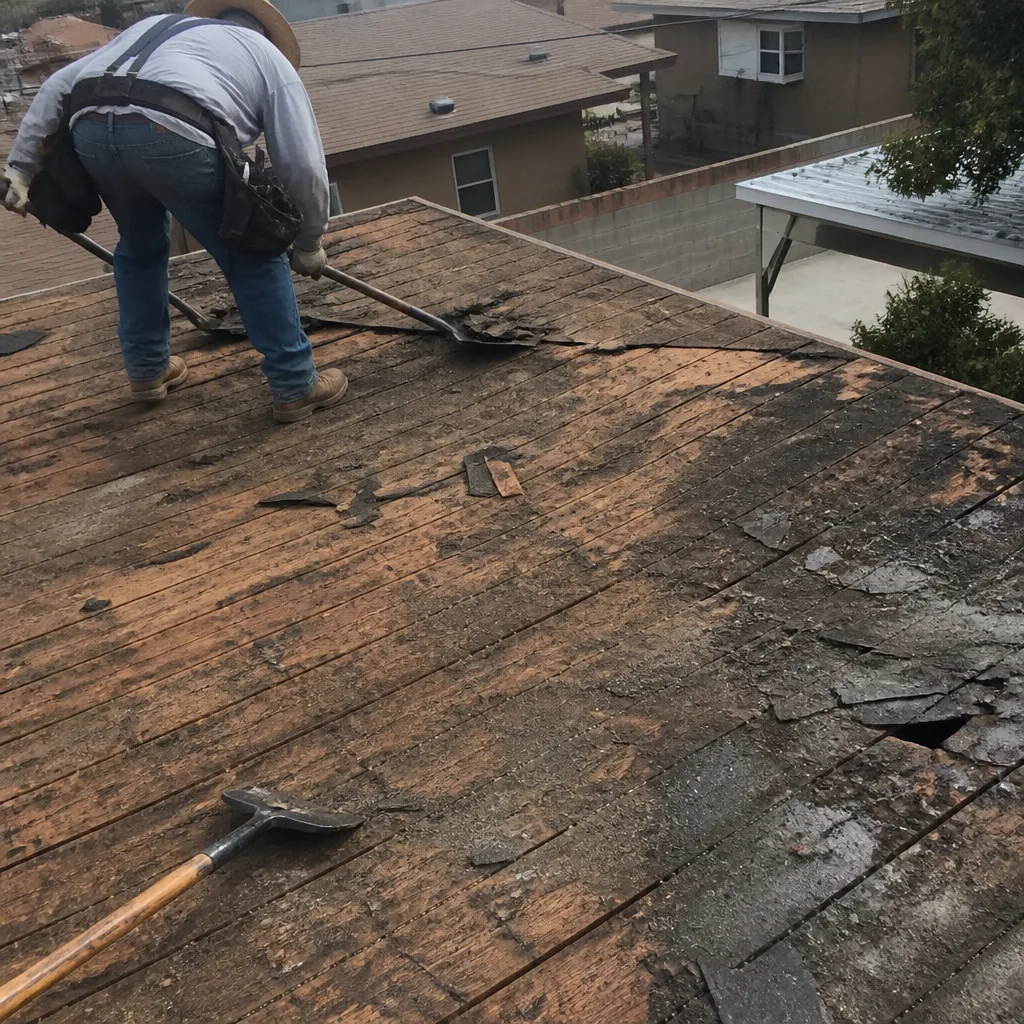
The tear-off on a Castro Valley home is often the expensive part. Many of these roofs have two layers of old wood shake, and on steep lots there is no room for a conveyor or dumpster chute. Every square of material comes up the slope by hand, and every square of new underlayment and shingle goes back up the same way. That labor line is real, and it is why a bid built on flat-land San Leandro habits will consistently underprice a Castro Valley hillside job, only to change-order the homeowner once the crew sees the driveway.
Materials That Earn County Sign-Off
We install shingle systems from GAF, CertainTeed, and Owens Corning, selected for Class A fire performance and long-term durability under Castro Valley’s concentrated winter rainfall. The VHFHSZ overlay requires fire-rating documentation at final inspection, and we attach that paperwork before the inspector arrives. It is a small step that contractors used to Oakland or Fremont city counters routinely miss, and it is one of the most common reasons we hear about failed county finals from new customers.
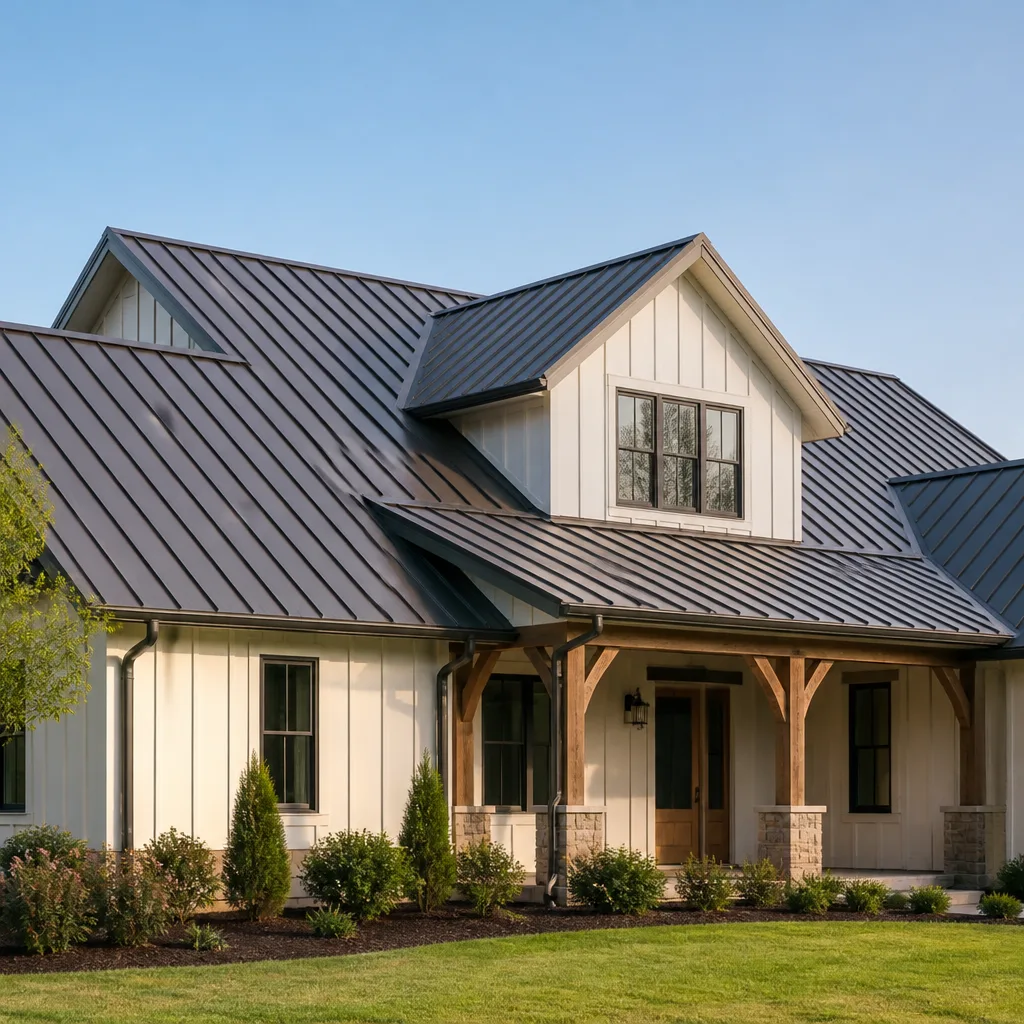
Standing Seam Metal Roof in Castro Valley
Standing seam metal roof installation in Castro Valley is growing fast, and it makes particular sense on the steeper hillside lots where water moves hard and fast down the roof plane. Castro Valley gets roughly 18 to 22 inches of rain annually, much of it in concentrated winter storm bursts, and steep valley flashings take real punishment. A standing seam system gives you interlocking vertical seams with no exposed fasteners, and it carries a natural Class A fire rating that satisfies the VHFHSZ overlay without additional documentation friction. Typical standing seam metal installation in Castro Valley runs $22,000 to $40,000 on a standard ranch, with steep or complex hillside designs and custom flashing pushing higher. It costs more up front than shingle, and for many Castro Valley homeowners the fire-zone simplicity and 40-plus-year lifespan justify the difference.
Where Metal Earns Its Keep
On a north- or east-facing Castro Valley roof, the marine layer settles into the basin overnight and lingers past mid-morning. Composition shingles on those exposures hold moisture long enough to grow moss and algae, which shortens their useful life. A standing seam panel sheds moisture quickly and does not hold organic growth the way granular shingle surfaces do. That is a real local advantage, not a sales line.
Access and Staging on Tight Lots
Standing seam panels arrive in long runs, and on a Castro Valley hillside with a single-truck driveway and a shared easement, that changes the staging math. We coordinate material deliveries in permitted street increments and hand-carry panels where the lane cannot take a boom truck. The access cost is built into the written quote, not discovered mid-job.
Trusted Brands We Service in Castro Valley
We install and service shingle brands including GAF, CertainTeed, Owens Corning, and IKO, chosen for real, documented performance in fire-rated assembly configurations. Because Castro Valley’s county inspections hinge on fire-rating documentation rather than brand preference, we keep our local crews stocked with the specific underlayment, valley flashing, and ridge components those manufacturers specify for VHFHSZ compliance. That is the difference between passing county final the first time and eating a re-inspection fee and a two-week delay. You will never wait on a truck driving out from a distant warehouse. Materials for Castro Valley jobs are staged based on the permit set we pull through Alameda County, so the system arrives matched to what the inspector expects to see.
Common Roof Installation Problems We See in Castro Valley Homes
- Original wood shake under the VHFHSZ mandate. The 1950s and 60s shake roofs that still cover many Castro Valley hillside homes are no longer compliant anywhere the fire overlay applies, so a simple reroof legally requires a Class A material change, not a shake-for-shake swap.
- Labor underestimated on steep lots. No conveyor, no dumpster chute, no staging yard. Every square of tear-off and installation material moves by hand up slopes that flatten a flat-land bid. We price the labor honestly from the first written estimate.
- Damp decking from the morning marine layer. North- and east-facing planes stay wet into late morning. A crew that tears off and leaves decking open overnight traps moisture under the new field, which shortens the roof’s life. We tarp exposed decking every afternoon before the layer rolls in.
- Failed county finals from missing fire-rating paperwork. Alameda County inspectors enforce the VHFHSZ overlay at sign-off. Correct roofing with wrong or missing documentation still fails, and the re-inspection fee lands on the homeowner. We attach the paperwork before the inspector arrives.
Pricing for Roof Installation in Castro Valley, CA
Castro Valley roofing prices track the labor, not just the square footage. A standard single-story ranch shingle replacement runs $12,000 to $22,000. A hillside split-level with steep access, multiple tear-off layers, or decking replacement runs $24,000 to $34,000. Standing seam metal starts around $22,000 and reaches $40,000+ on complicated hillside designs. What pushes a Castro Valley bid higher than a San Leandro bid on the same square footage is almost always access: shared driveways, single-truck easements, and hand-carry distance from the street to the roof. That labor is real and it shows up in honest bids, not buried in change orders. Every Mercer Roofing estimate is a written, line-item price given before work starts, and our 365-Day Done Right Promise covers every installation. Call (743) 200-8347 to schedule your free estimate, and you will know the exact number before you sign anything.
We Also Serve Cities Near Castro Valley
Mercer Roofing crews working in Castro Valley also serve Roof Installation customers in the surrounding East Bay communities. We schedule and dispatch from the San Francisco Bay Area office, so our Castro Valley team regularly handles jobs in San Lorenzo, San Leandro, Union City, and Dublin. If you own a home in one of those cities, you will get the same written pricing, the same photo-badged technicians, and the same threshold-standard vetting we bring to every Roof Installation in Castro Valley project. The permitting and fire-zone rules do change across county lines, so the quote you receive will be built for your specific jurisdiction, not templated from a neighboring job.
Serving Castro Valley, CA - Our Local Coverage Area
We’re based in the Castro Valley area and know this community well. Use the map below to see our service coverage - if you’re nearby, we can almost certainly help.
FAQs About Roof Installation in Castro Valley
Yes, if your home sits within the Alameda County Very High Fire Hazard Severity Zone, which covers a substantial share of Castro Valley’s hillside residential areas, any permitted reroof requires a Class A fire-rated roof assembly. That means wood shake and many older composition shingles are no longer legal replacements in those zones. The county inspector verifies fire-rating documentation at final sign-off, and we prepare that paperwork before the inspection. Call (743) 200-8347 and we will check your parcel’s zone status during the estimate.
Alameda County issues the roofing permit, because Castro Valley is unincorporated and has no city hall. The permit runs through the Alameda County Building Department, and their inspectors enforce the VHFHSZ overlay rules at final sign-off. Contractors accustomed to pulling permits through Oakland or Fremont city counters sometimes miss the county’s fire-rating documentation step. We handle the full permit process for our Castro Valley customers and attach the required fire-rating paperwork before the county inspector arrives.
It changes the labor line, sometimes significantly. A single-truck driveway, a shared easement, or no room for a dumpster chute means every square of tear-off and every square of new material moves by hand up the slope. That labor is real, takes longer, and requires more crew members on a job that flat-land bids price for machine-assisted staging. We stage materials on the street in permitted increments when the driveway cannot handle staged loads. Your written quote reflects the actual access on your lot, because that is the only honest way to price it.
Ask whether the bid includes the Alameda County permit and the VHFHSZ fire-rating documentation, whether the labor line reflects hand-carry staging rather than conveyor access, and whether decking replacement is included or billed separately. Also ask for the brand and exact shingle model, not just a color name. A bid that is $4,000 cheaper because it assumes conveyor access or omits the county permit is not cheaper, it is a change order waiting to happen. Our written estimates include all of it, line by line, before any work starts. Call (743) 200-8347 for a free estimate and a detailed comparison to any other bid you have in hand.
Yes. Standing seam metal is inherently Class A fire-rated, which makes it a strong fit for Castro Valley’s VHFHSZ parcels where documentation requirements would otherwise be a hurdle. The panels carry a natural fire rating, and the interlocking vertical seams perform well under the valley’s concentrated winter rainfall. On steep north- and east-facing planes where the marine layer keeps shingles damp into late morning, metal also sheds moisture faster and resists the moss and algae that shorten shingle life. Call (743) 200-8347 and we will walk through whether standing seam makes sense for your specific hillside lot and budget.
Written by Grant Whitlock, Owner at Mercer Roofing, serving Castro Valley since 2000.