
Last updated October 9, 2026
Free roof inspection with deck photos before we talk money - GAF and Owens Corning certified installation
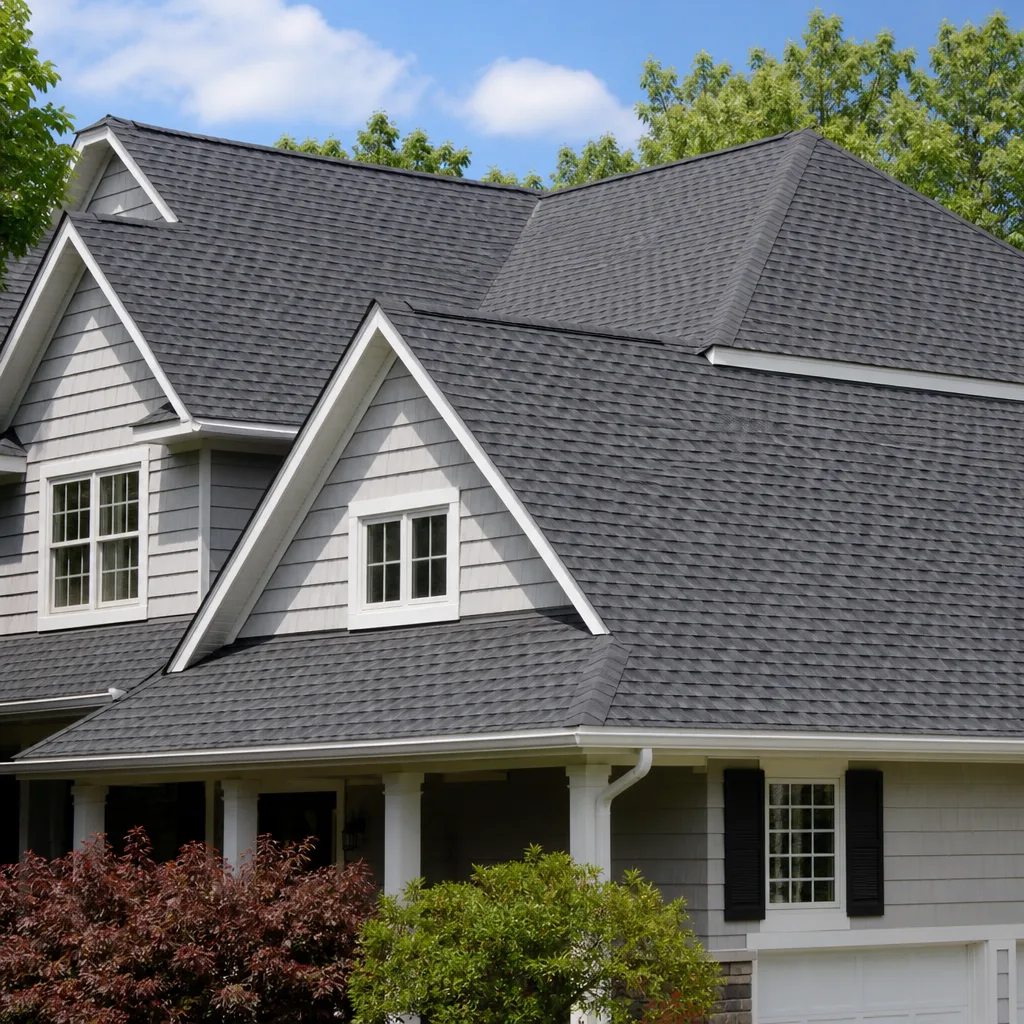
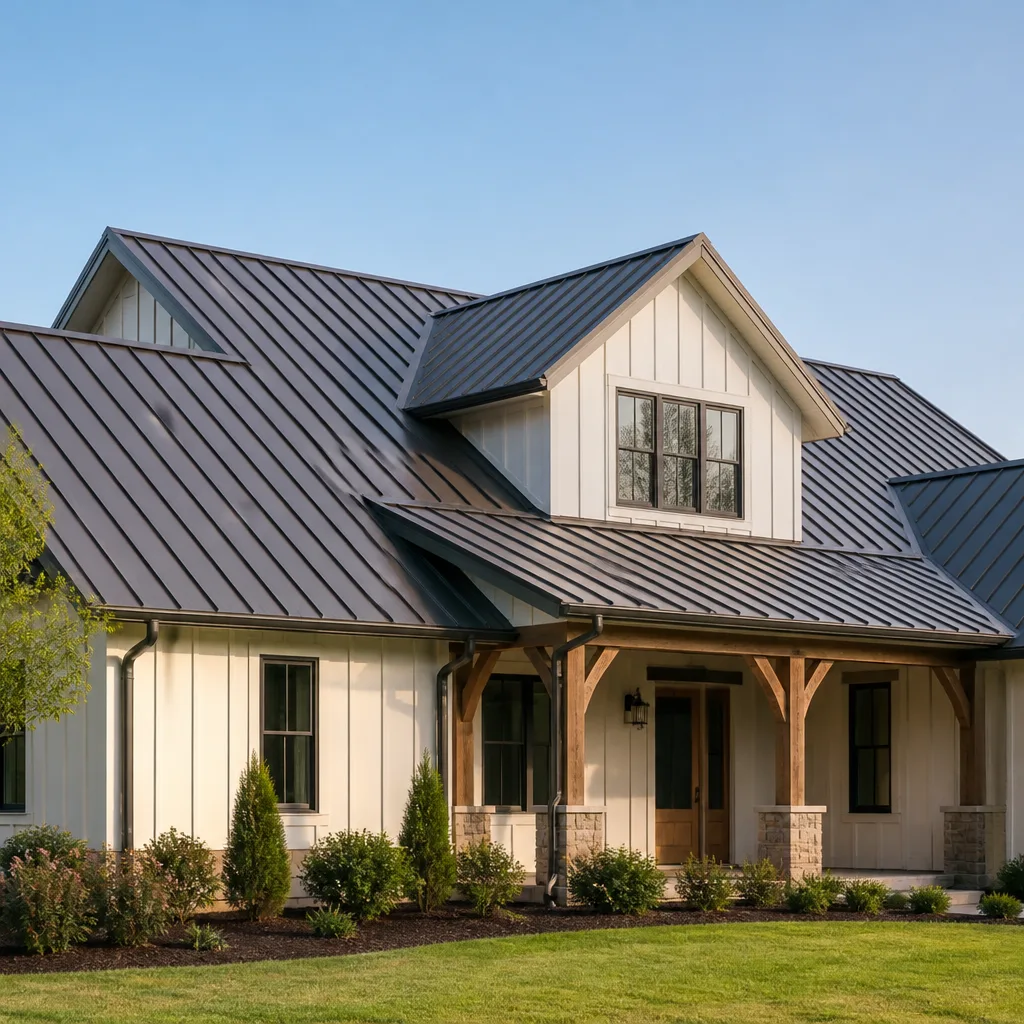
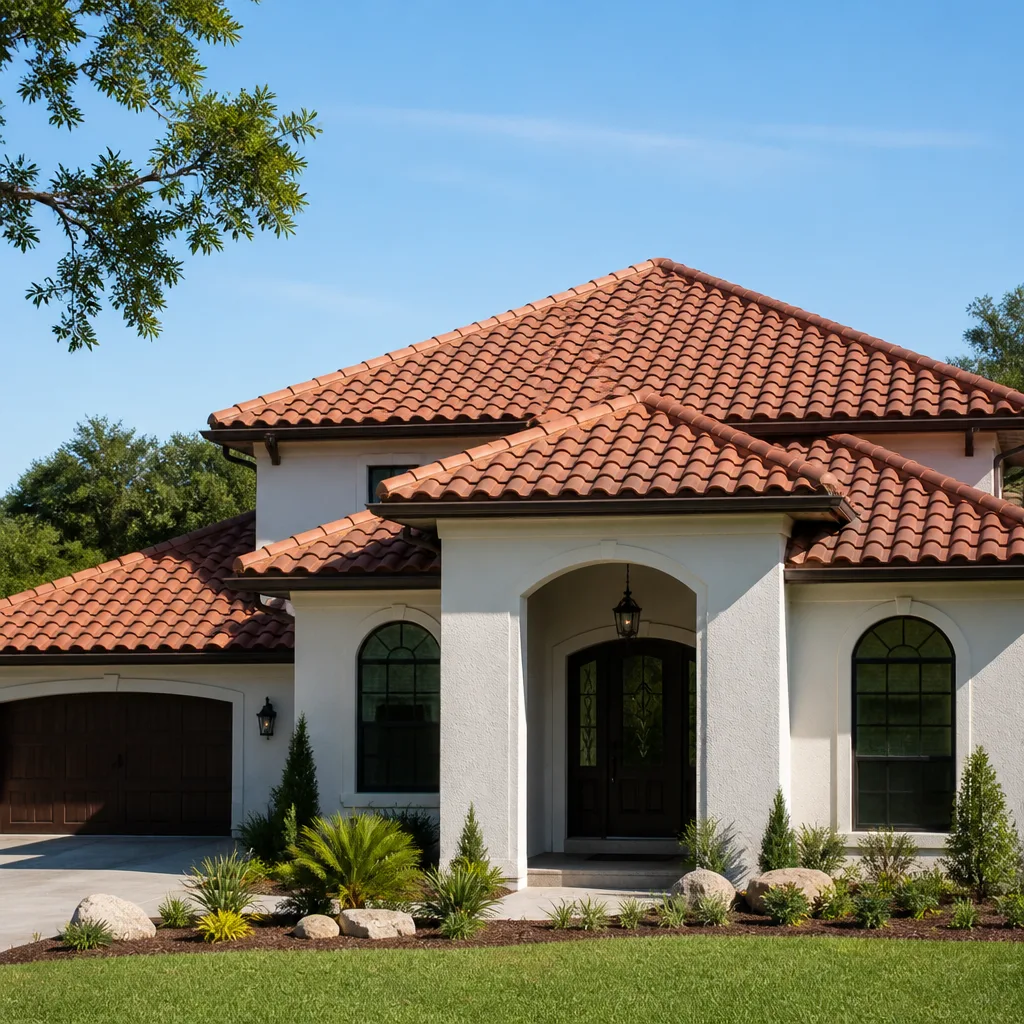
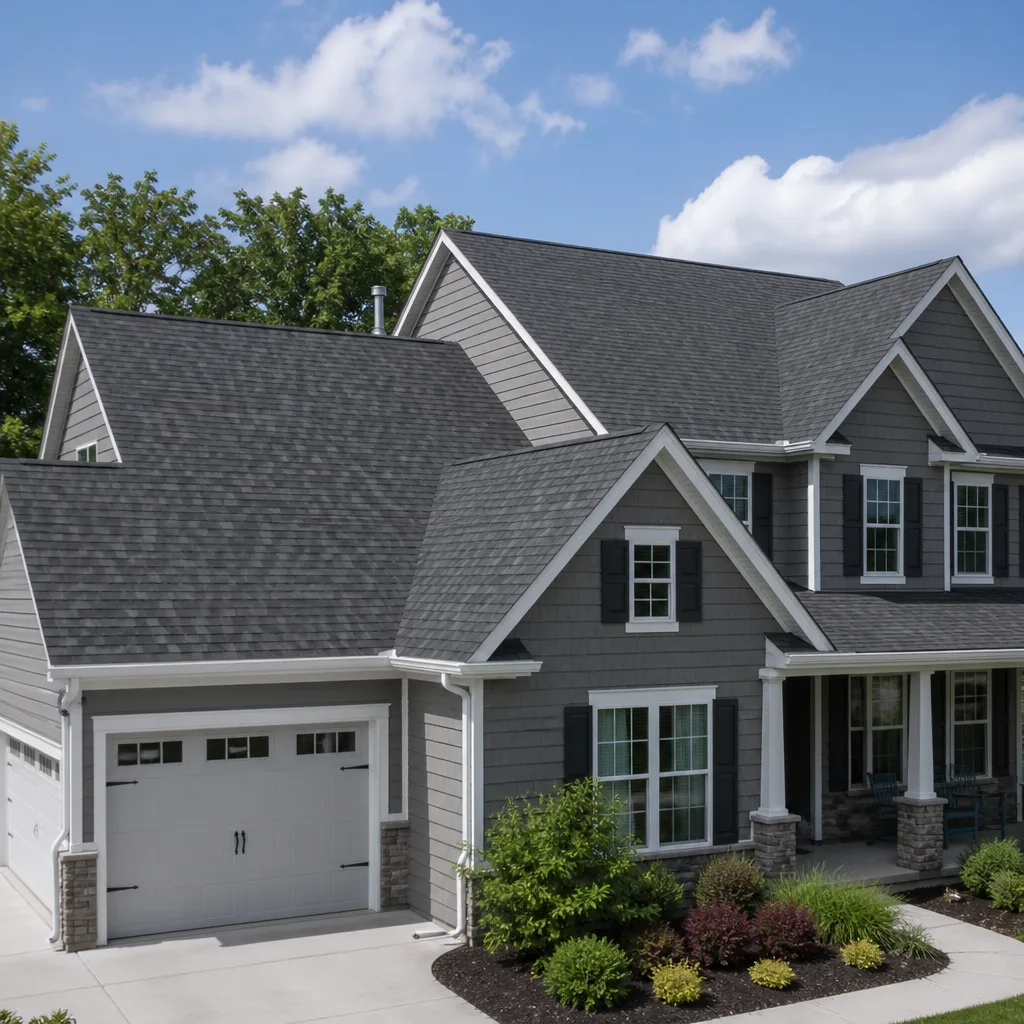
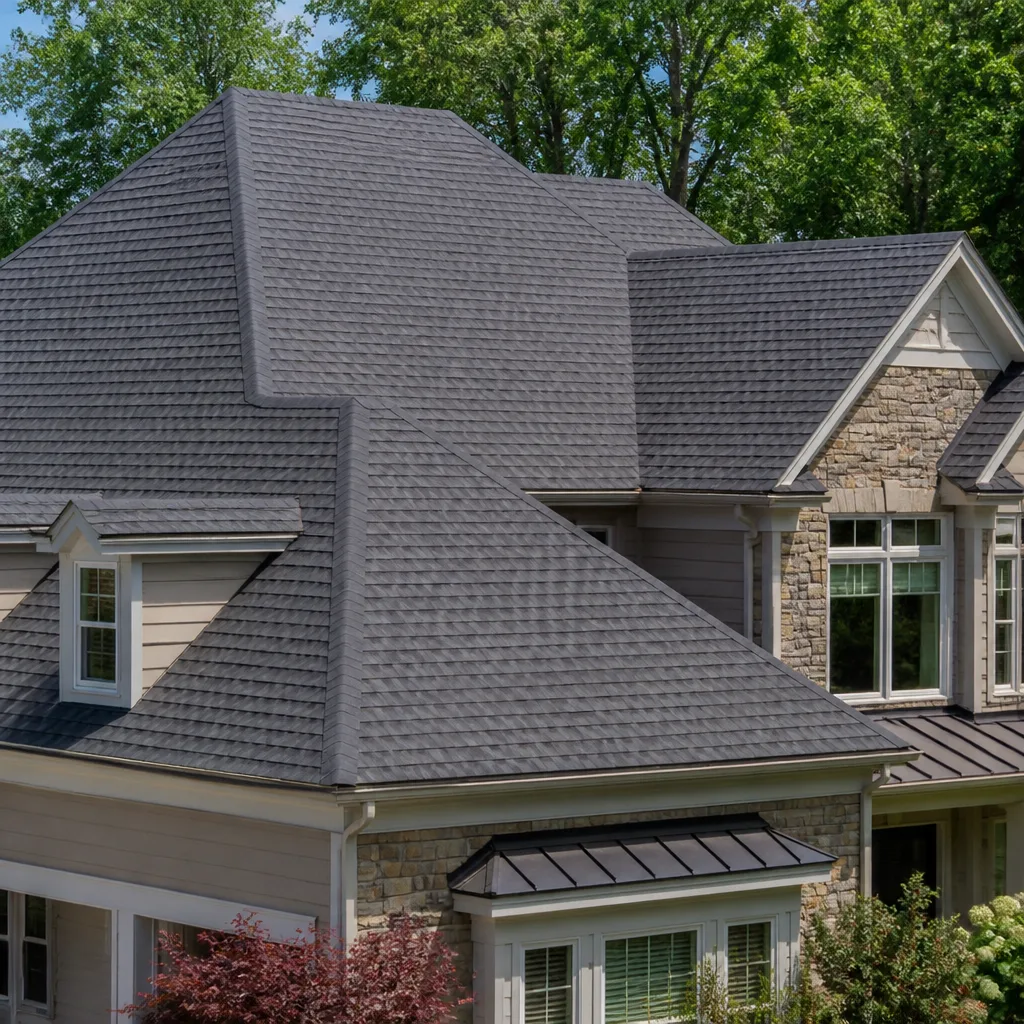
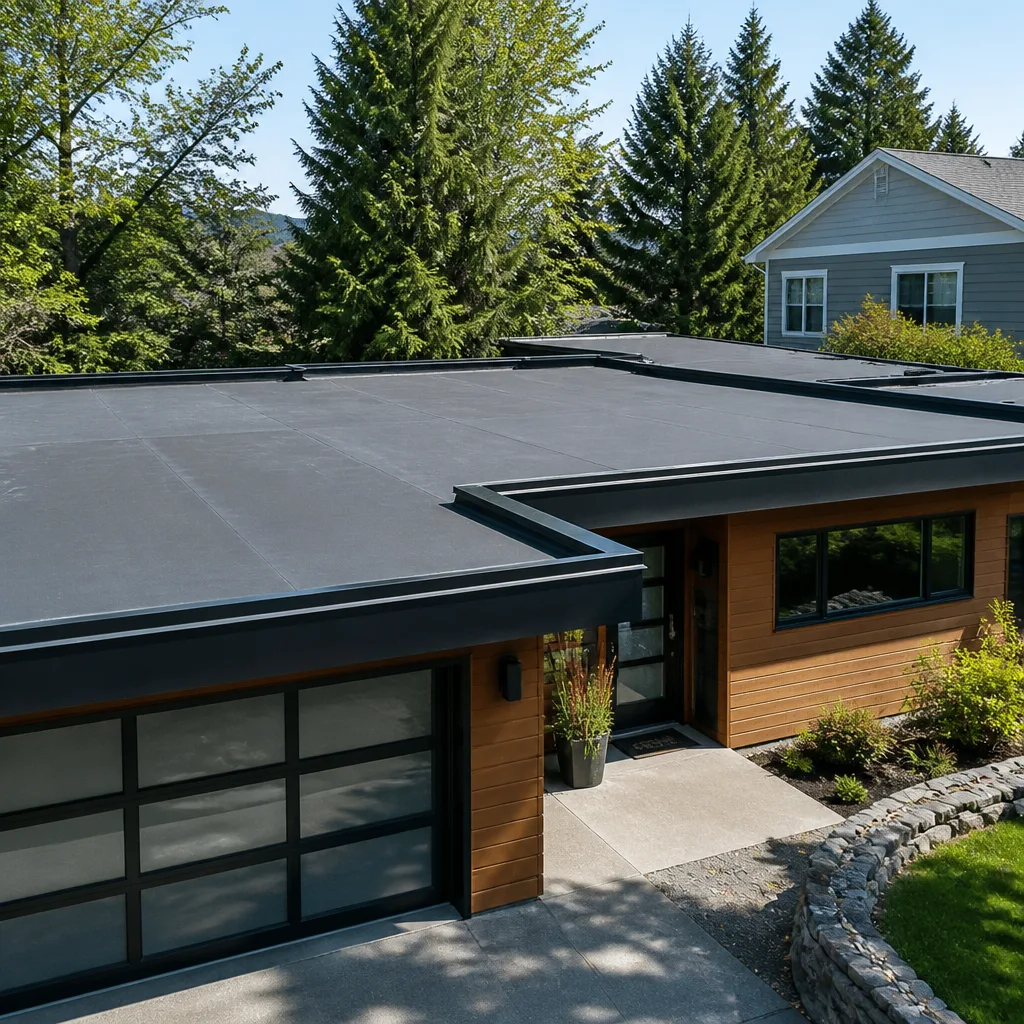
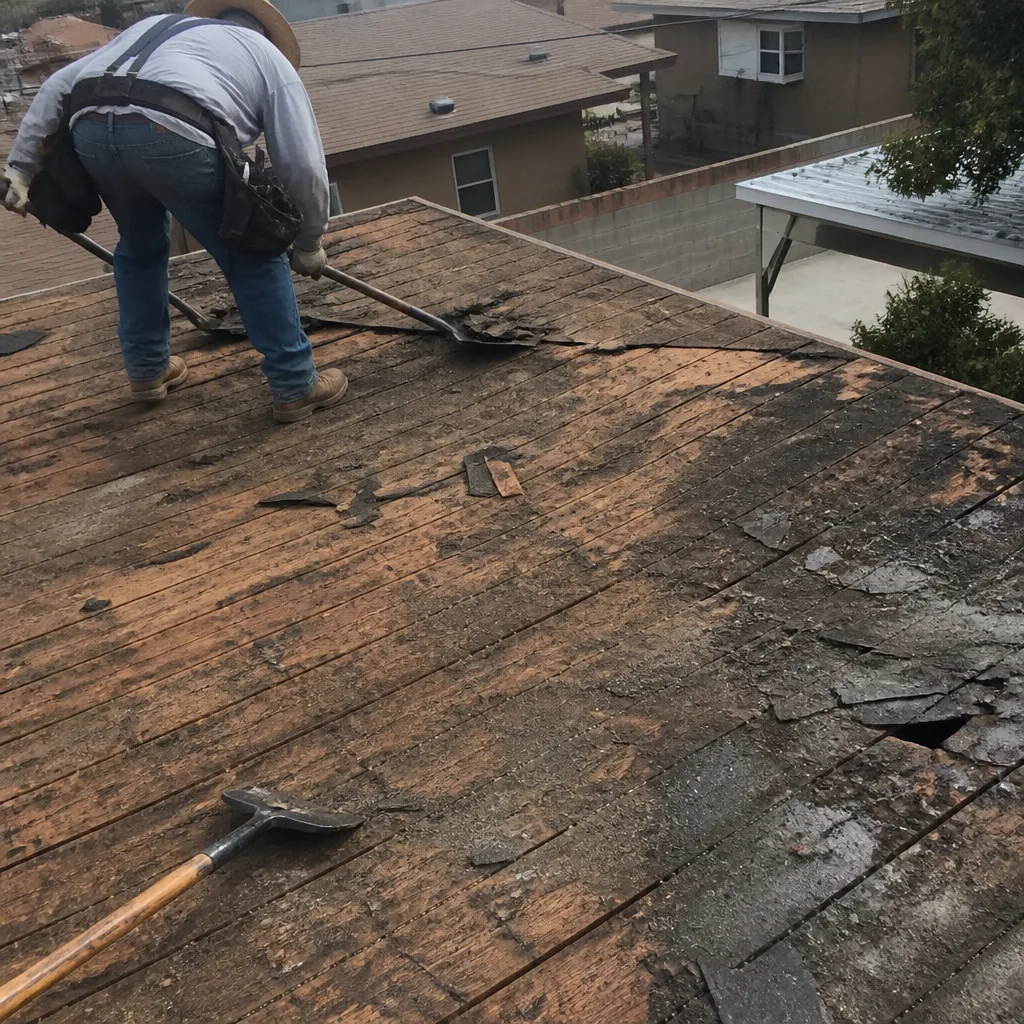 Before
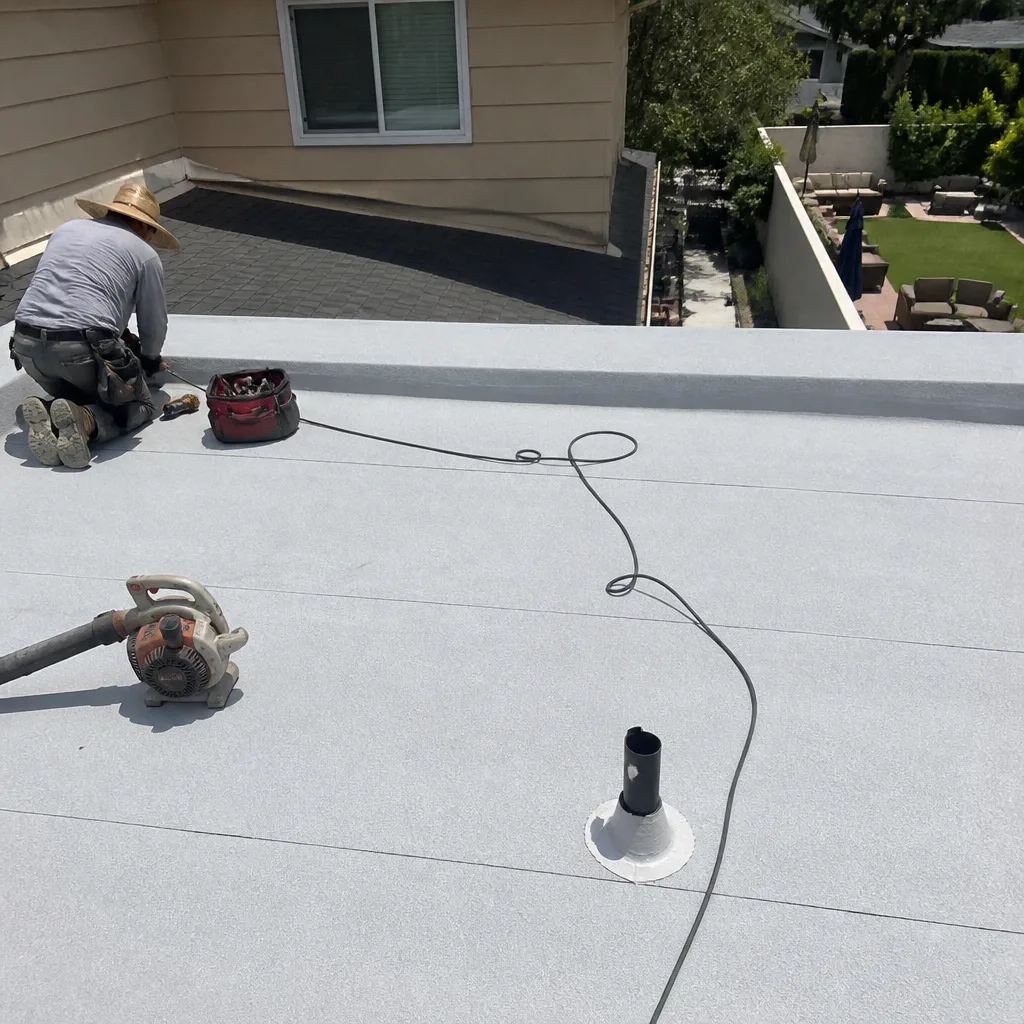 After
After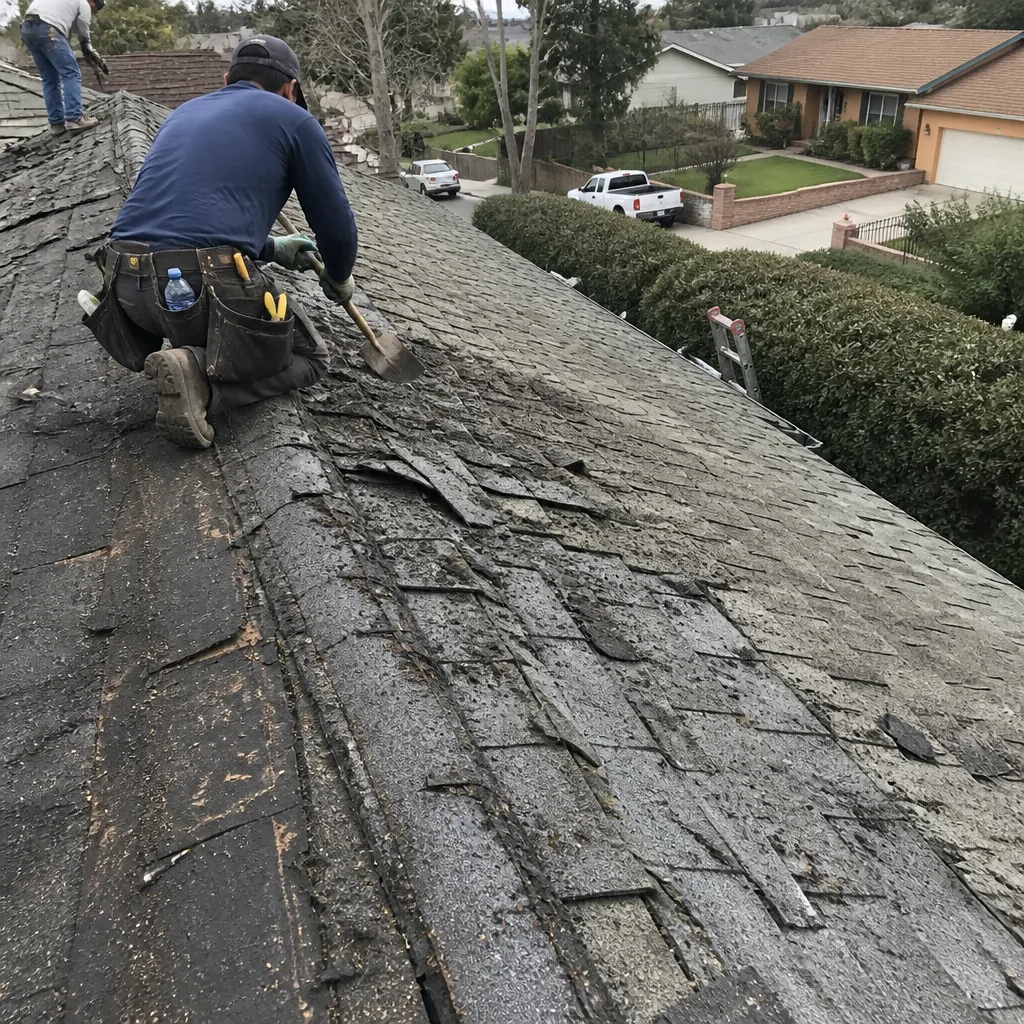 Before
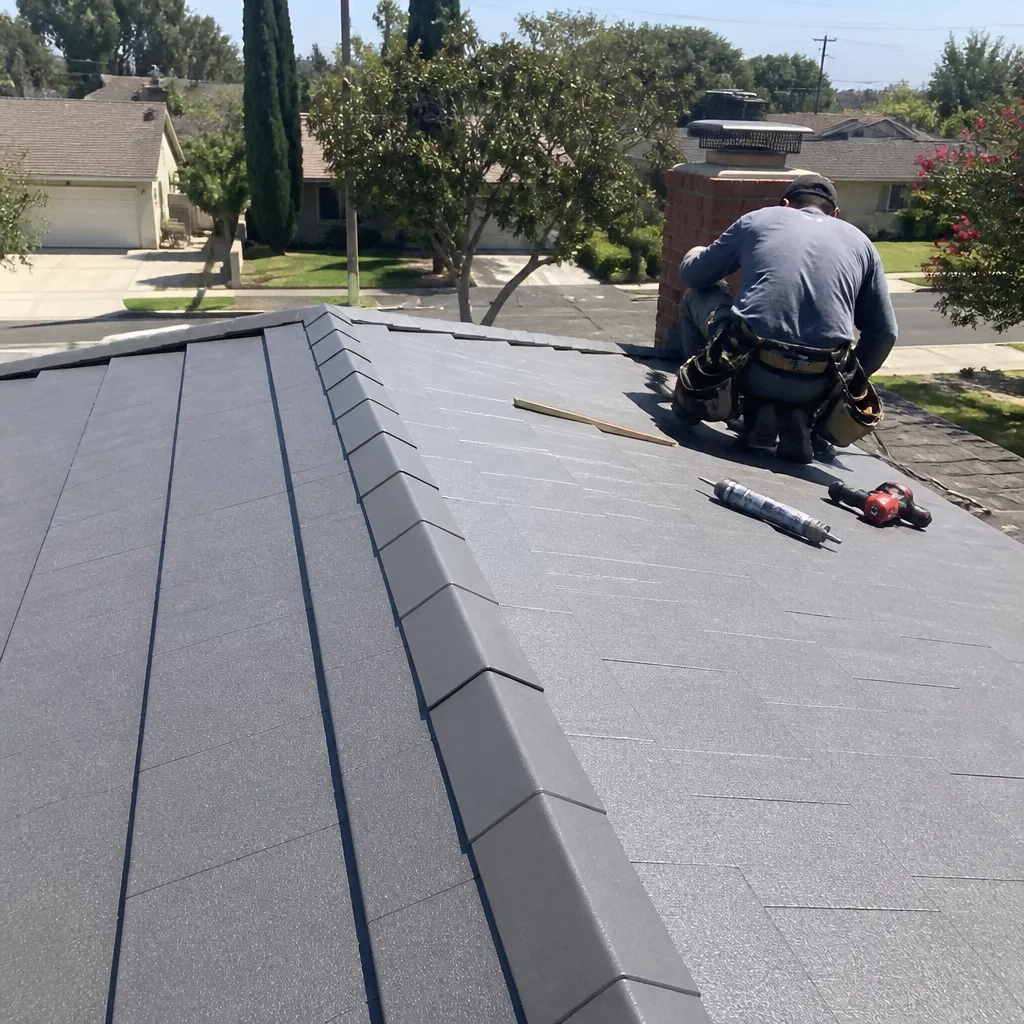 After
After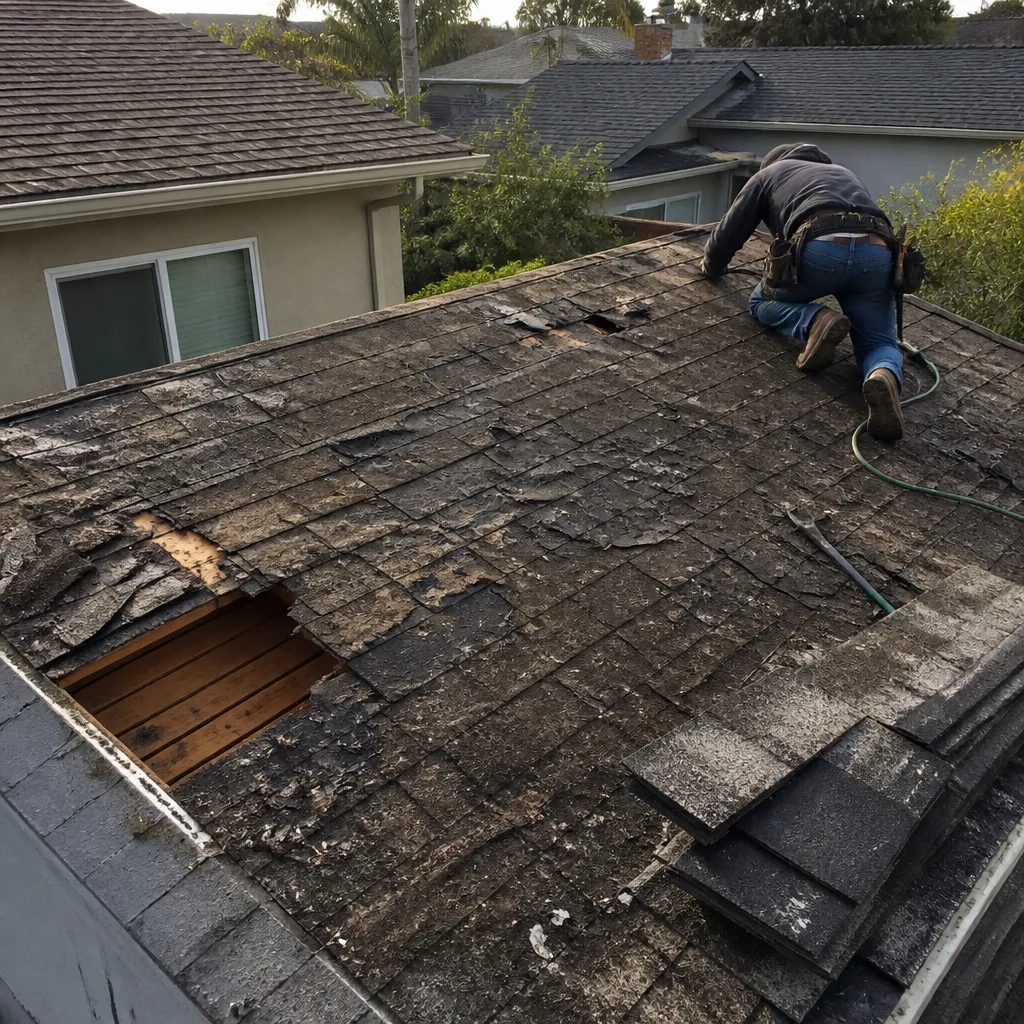 Before
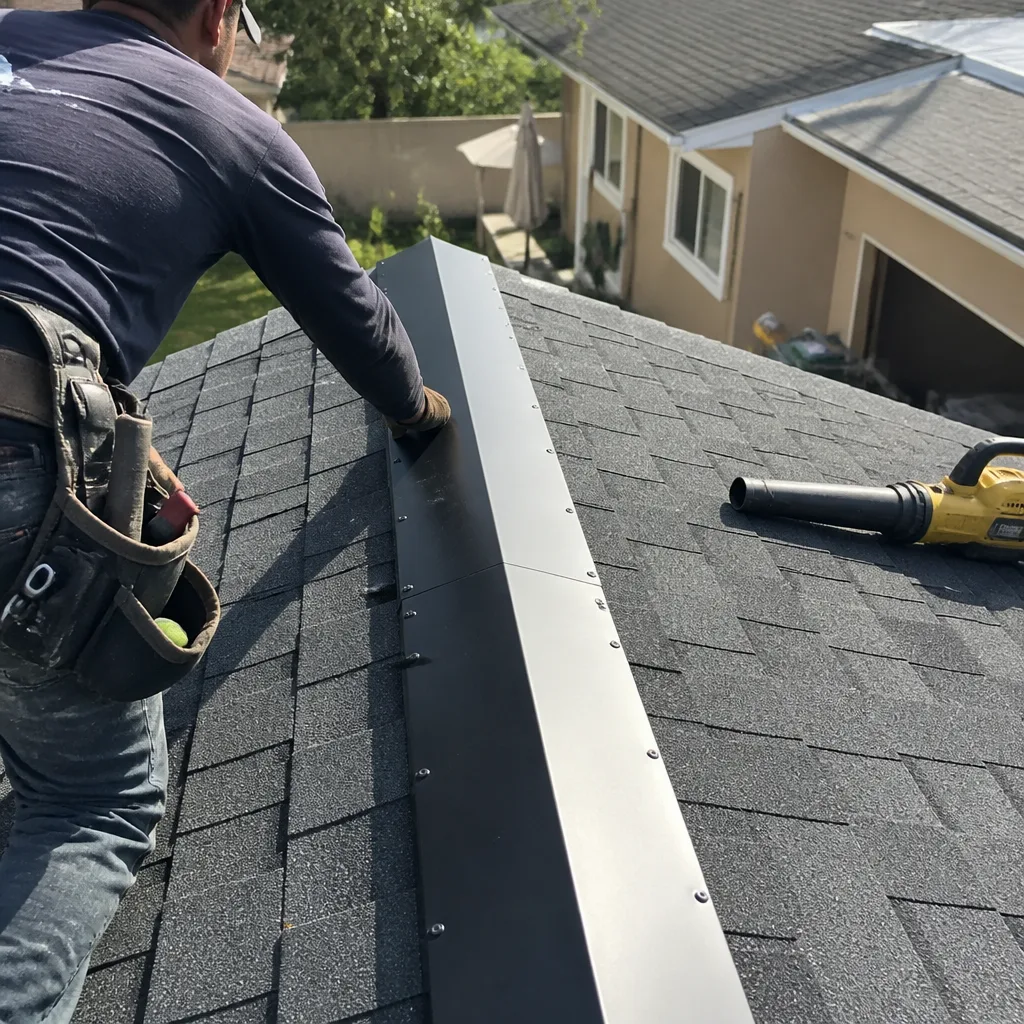 After
AfterSeasonal Roofing Care for Los Angeles: Year-Round Homeowner’s Guide
By the time a Los Angeles roof leaks in January, the damage was usually done in September, when nobody was thinking about rain. That’s the counterintuitive reality of roofing in Southern California: our danger seasons run backwards from what most national guides assume. While homeowners in Minneapolis are worrying about ice dams in February, Los Angeles roofs are quietly baking, cracking, and oxidizing through months of dry heat, setting up failures that only reveal themselves when the Pacific storm track finally arrives. This guide walks through what actually happens to roofs in Los Angeles across all four seasons, which maintenance windows matter most, and how to catch problems before they catch you. For a deeper dive, see The Complete Guide to Roofing in Los Angeles.
Quick Answer
The most important roofing maintenance window in Los Angeles is September through November, when dry winds and falling temperatures create the failure conditions that winter rains will later exploit. Homeowners should inspect or have a professional inspect flashing, sealant, and drainage in early fall, perform a post-storm check after every Santa Ana wind event, and understand that coastal marine layer exposure accelerates moss, algae, and fastener corrosion year-round in ways inland roofs don’t experience.
Table of Contents
- The Inverted Season: Why September to November Is LA’s Critical Roofing Window
- The Marine Layer Effect: What Coastal Los Angeles Roofs Face Year-Round
- Summer Heat Protocol for Flat and Low-Slope Roofs
- Preparing for the December to March Pacific Storm Track
- The Santa Ana Checklist: Post-Wind Inspection and Insurance Documentation
- Spring Maintenance: What March Through May Actually Requires
- How Los Angeles Climate Affects Different Roofing Materials
- What Homeowners Can Check Themselves vs. What Needs a Professional
The Inverted Season: Why September to November Is LA’s Critical Roofing Window
Conventional roofing advice tells homeowners to schedule maintenance in spring and fall. That advice was written for places with snow, freezing cycles, and autumn leaf litter. Los Angeles has a different calendar. The months between September and November are when our roofs sustain the most cumulative damage, and the reason comes down to physics: after six months of intense UV exposure and surface temperatures that regularly hit 150°F on asphalt shingles, the materials on your roof have expanded, contracted, and photodegraded. Then, suddenly, the weather shifts. Santa Ana winds start gusting at 40 to 60 miles per hour. Overnight temperatures drop 20 degrees. The thermal shock of that transition is what cracks aged sealant around flashing, loosens fasteners, and separates previously stable seams.
We’ve inspected roofs in neighborhoods from Silver Lake to Sherman Oaks in late September where the shingle granules had already started sloughing into gutters after a single hot summer. That granular loss is the shingle’s UV shield. Once it’s gone, the asphalt underneath degrades rapidly. By October, many Los Angeles roofs are running on compromised material, and the first real rain turns those weak points into leaks.
What should a homeowner do during this window? Here’s a concrete checklist:
- Schedule an inspection in September or early October. Not November. You want any repairs completed before the first significant rain event, not in the middle of the storm cycle.
- Check flashing around chimneys, skylights, and vent pipes. This is where the vast majority of Los Angeles roof leaks originate. The metal expands and contracts at a different rate than the surrounding roofing material, and the sealant between them fails first.
- Clear gutters and downspouts before the winds strip trees bare. In Los Angeles, the leaf drop happens during Santa Ana events, not a gentle autumn. If your gutters are already clogged when the winds hit, debris backs up and water pools at the eaves.
- Look for lifted or curling shingle edges. Wind damage compounds quickly. A shingle that’s slightly lifted in October becomes a torn-off shingle by December.
This is the window where a Roof Repair in Los Angeles visit pays for itself. The issues found in October are almost always cheaper to fix than the water damage they cause in February.
The Marine Layer Effect: What Coastal Los Angeles Roofs Face Year-Round
Los Angeles is not one climate. A homeowner in Venice, Playa del Rey, or San Pedro deals with a fundamentally different roofing environment than someone in Woodland Hills or Pasadena. The marine layer, that persistent morning fog bank that rolls in off the Pacific, hangs over coastal neighborhoods for 200-plus days a year in some microclimates. That moisture sits directly on roof surfaces for hours at a time, even during months when inland Los Angeles gets zero measurable rain.
What the marine layer does to roofs is methodical. First, it accelerates moss and algae growth on north-facing and shaded roof planes. Moss holds moisture against the shingle surface, and that moisture works its way into the granular layer, loosening it. Second, the salt air accelerates oxidation on exposed metal components: flashing, vent caps, nail heads, and especially the valley metal where two roof planes meet. We’ve removed flashing from coastal roofs that looked like it had been installed 40 years ago when the roof itself was only 12. The salt air ate it. Third, constant humidity cycles cause fasteners to back out incrementally. A nail that’s worked loose by 1/8 inch allows a shingle to lift, and wind gets under it.
Coastal homeowners should inspect for the following, which inland owners rarely see:
- Black streaking or green patches on shingles. This is algae and moss, not just cosmetic. It shortens shingle life by retaining moisture.
- White chalky residue or rust on metal flashing. Oxidation is progressing. Flashing that looks corroded needs replacement before it fails structurally.
- Granular accumulation in gutters after just a few years. Coastal shingles shed granules faster. If you’re seeing significant granules in year three, your roof is aging faster than the manufacturer’s warranty assumes.
If you live within three miles of the coast, schedule inspections on the earlier side of every maintenance window and expect your roof’s service life to run 15 to 20 percent shorter than the same material installed inland. That’s not a defect. It’s the environment. But it means you don’t have the luxury of waiting until something looks wrong. You need to look before it leaks.
Summer Heat Protocol for Flat and Low-Slope Roofs
Most of Los Angeles’s residential roofing is pitched asphalt shingle, but thousands of homes, especially mid-century builds in neighborhoods like Mar Vista, Culver City, and the San Fernando Valley, have flat or low-slope sections: additions, carports, patios, and full flat-roof designs. If you’re planning a new roof, read Choosing the Right Roofing Brand: A Buyer’s Guide for Los Angeles. These roofs face a specific summer threat that pitched roofs don’t: membrane blistering.
On a 95-degree Los Angeles summer day, the surface temperature of a dark flat roof membrane routinely exceeds 170°F. At that temperature, the membrane’s adhesive bonds weaken, trapped moisture or air between membrane layers expands, and blisters form. Blisters look like bubbles under the surface, and they’re not just cosmetic. When a blister pops from foot traffic or continued heat cycling, it exposes the underlying felt and decking to direct UV and water. What starts as a small bubble in August becomes a leak by the time February rains arrive, because water enters the opening and tracks sideways before it shows up on the ceiling.
Here’s the summer heat protocol we recommend for Los Angeles flat-roof owners:
- Walk the roof in June. Look for new blisters, cracks in the membrane surface, or separation at seams and flashing junctions. Mark them with chalk or take photos for documentation.
- Check the roof drains and scuppers. Flat roofs depend entirely on functioning drainage. A single clogged drain in July means standing water, which soaks the membrane and accelerates degradation.
- Inspect the roof coating if you have one. Reflective coatings lose effectiveness as they age. If the surface is chalky or thin, the roof is absorbing more heat, which means higher cooling bills and faster membrane degradation.
- Trim back overhanging branches. Summer is when tree growth peaks. Branches that scrape the roof surface damage coatings and membranes. They also drop debris that clogs drains.
- Schedule repairs for September, not August. Roofing adhesives and sealants cure best between 50 and 80 degrees. August’s extreme heat makes repair bonds weaker. Wait for the temperature break.
If you’re considering a Roof Installation in Los Angeles for a flat roof, ask about manufacturer-recognized systems from GAF and CertainTeed. Both brands have dedicated low-slope membranes engineered specifically for high-UV climates like ours, and using their complete systems preserves the warranty.
Preparing for the December to March Pacific Storm Track
Los Angeles’s rain, when it comes, arrives in concentrated bursts driven by atmospheric rivers. In a single week, Southern California can receive more rain than it got in the previous eight months combined. That’s the challenge: our roofs are asked to handle extreme hydrological loads after months of zero stress, and the failure points that developed during the dry season are tested all at once.
The six weeks before the first significant rain event, typically a window from early November through mid-December, is when preparation should happen. Here’s what the preparation looks like:
- Assess downspout capacity. Los Angeles roofs are often undersized for atmospheric river events. A downspout that handles normal rain fine may overflow during a three-inch-in-six-hours storm. Water that overflows at the eaves backs up under shingle edges and into soffits. If your downspout is less than 3 inches in diameter or empties against the foundation, consider upgrading or adding an extension before the rain starts.
- Inspect flashing integrity at every penetration. Chimneys, plumbing vents, skylights, furnace flues, and satellite dish mounts are all water entry points. The sealant around them should be pliable, not cracked. Run a finger along the sealant: if it flakes, it’s already failing.
- Check the roof valley condition. Valleys channel massive water volume during atmospheric rivers. If the valley metal is corroded or the shingles in the valley are thin, that’s your highest-risk area. Repair before the storms, not after.
- Clean gutters after the last leaf drop. In Los Angeles, the leaf drop is driven by wind events, not a consistent season. The final cleanup should happen after the last Santa Ana of the year has stripped the trees. For most neighborhoods, that’s late November or early December.
If you’ve done the September-to-November maintenance properly, storm preparation is mostly verification. The structural work should already be complete. If you haven’t, this is your last window before the leaks reveal themselves.
The Santa Ana Checklist: Post-Wind Inspection and Insurance Documentation
Santa Ana winds are a defining feature of Los Angeles roofing risk. These offshore winds blow from the high desert toward the coast, gusting 40 to 70 miles per hour, with relative humidity dropping into the single digits. They don’t bring rain, but they do bring debris, and they stress every fastened component on your roof. After a major Santa Ana event, do a focused inspection within 48 hours, while the damage, if any, is fresh and documentable.
Here’s the step-by-step checklist:
- Walk the perimeter of your home. Look for shingle tabs, flashing pieces, or granules on the ground. Any debris from your roof means something came loose.
- Photograph everything before you climb or call anyone. Insurance adjusters want documentation of condition immediately after the event. Take wide shots of each roof plane and close-ups of anything that looks displaced. Your phone’s timestamp is your evidence.
- Check for lifted shingle edges. Use binoculars from the ground if you can. A shingle that’s lifted but still attached will usually flap in the next wind event and tear off completely.
- Inspect flashing around penetrations. Wind-driven debris can dent or dislodge flashing. If the flashing is lifted, it’ll leak in the first rain.
- Check gutters for wind-blown debris. Santa Anas deposit palm fronds, eucalyptus bark, and neighbor’s leaves into gutters at scale. A clogged gutter after a Santa Ana means roof-edge ponding in the next rain.
- Look at roof vents and caps. Turbine vents and static caps can be spun loose or knocked askew. If a turbine vent is wobbling, the roof penetration beneath it may be compromised.
- Document anything that looks like impact damage. If a branch hit the roof, photograph the impact point before any repair or cleanup, even if it looks minor. Hidden decking damage from impacts is a common insurance scenario.
If you find lifted shingles, displaced flashing, or impact damage, call for a professional assessment before the next weather system arrives. These are not repairs to defer. A loose shingle that survives one Santa Ana often doesn’t survive the next one.
Spring Maintenance: What March Through May Actually Requires
By the time the rains stop in March or April, most Los Angeles homeowners feel like their roofing obligations are done for the year. That’s understandable, but it’s wrong in one important way: the post-rain window is when you assess what winter revealed, and it’s also when you catch water damage before the heat of summer bakes it into something worse.
Spring maintenance in Los Angeles is lighter than the fall window, but it serves a different purpose. Fall is prevention. Spring is documentation and triage. Here’s what that looks like:
- Interior inspection. Check ceilings, especially around existing penetrations like recessed lights, for water stains that appeared during winter. Even a faint yellow ring is evidence of a slow leak. The sooner you address it, the less likely you get mold in the summer heat.
- Attic inspection on a sunny day. Turn off the lights and look for pinholes of daylight through the roof deck. Light penetration equals water penetration. Look for dark streaks on rafters, which indicate historical water entry.
- Check the roof surface post-rain. Look for ponding areas on flat roofs that didn’t drain 48 hours after the last storm. Standing water shortens membrane life dramatically.
- Assess the overall condition for the coming summer. If the roof is near the end of its life, spring is the right time to plan a replacement for the fall window, when temperatures are ideal for installation and you’re ahead of the next rainy season.
If you’re in the market for a full replacement, Roofing Company in Los Angeles work is best scheduled for the fall window, but planning should start in spring. Manufacturers like Owens Corning and Boral have specific installation temperature requirements, and the fall window, not summer, is when the materials perform best during and after installation.
How Los Angeles Climate Affects Different Roofing Materials
The material on your roof determines how it responds to Los Angeles’s specific stressors. Here’s what we see across the major roof types in the region:
- Asphalt shingles (most common): Direct UV exposure is the primary degradation driver. Los Angeles shingles lose granules faster than national averages, particularly on south-facing and west-facing planes. Expect 20 to 25 years from architectural shingles in inland areas, 15 to 20 in coastal zones. Brands like GAF, CertainTeed, and Owens Corning all manufacture lines specifically tested for high-UV climates.
- Clay and concrete tile (common in Spanish-style homes from Pasadena to the Palisades): The tile itself is extremely durable and handles UV well, but the underlayment beneath it degrades. Underlayment replacement is the maintenance item most tile-roof owners miss. The tile can look perfect while the waterproof layer beneath is failing.
- Flat roof membranes (TPO, modified bitumen, built-up): Heat and UV degradation are primary, with marine layer moisture compounding issues near the coast. Blistering, seam separation, and coating failure are the big three. Inspect every year, not every few years.
- Wood shake and shingle (rare in Los Angeles proper, still present in canyons and hillside communities): Dry rot, termite susceptibility, and mold growth from marine layer exposure. Wood roofs in Los Angeles also carry wildfire risk concerns. Many hillside neighborhoods have restrictions or prohibitions on wood roofing in fire zones.
The key insight here is that every material has a specific failure mode that Los Angeles accelerates. Generic national maintenance advice doesn’t capture our UV intensity, our Santa Ana winds, our marine layer, or our atmospheric river rain patterns. Homeowners need a maintenance schedule that matches the actual environment, not a seasonal template written for Ohio.
What Homeowners Can Check Themselves vs. What Needs a Professional
You don’t need to be a roofer to perform meaningful seasonal maintenance, but you do need to know where the line is. Here’s the honest breakdown:
Things homeowners can safely do from the ground or with a ladder:
- Visual inspections from ground level with binoculars
- Gutter and downspout cleaning (from a sturdy ladder, never from the roof edge)
- Photographing roof planes for documentation over time
- Checking interior ceilings and attic spaces for water evidence
- Clearing debris from accessible flat roof drains
Things that require a trained professional:
- Walking on any roof with a pitch steeper than 4:12 (most Los Angeles homes)
- Repairing or replacing flashing
- Sealant work that touches the waterproofing layer
- Any repair on a flat roof membrane
- Assessment of tile underlayment (requires lifting tiles)
- Any work involving lifting, removing, or altering roofing material
The safety line is real. Falls from roofs cause serious injuries and deaths every year in Los Angeles. If you have any doubt about the pitch, the footing, or your own balance, stay on the ground and call a professional. A roof inspection costs far less than an ER visit.
Who is coming when you call a roofer in Los Angeles?
This is the part of seasonal roofing care that most guides skip, and it matters to Los Angeles homeowners more than most. When you hire a roofing company, you’re inviting a stranger to climb onto your home, often while you’re away at work or home alone with kids. You deserve to know who that person is before they arrive.
At Mercer Roofing, every technician is background-checked and identity-verified under the Threshold Verified standard. Before the visit, you receive the technician’s name and photo. When they arrive, they’re in a clean, marked uniform and they present a photo ID badge at the door. That’s not a courtesy. It’s a safety protocol, and it’s part of what the Mercer Roofing home standard requires from every independent location in the Threshold Group family, which was founded in 2000.
We recommend every Los Angeles homeowner apply that same standard to any roofing company they invite onto their property. Ask who is coming. Ask for proof of background checks. Ask for a written price before any work starts. If a company won’t give you those things, that’s information too.
Common Mistakes to Avoid
- Waiting until the first rain to think about the roof. By the time water is entering your home, the damage was done months earlier. Fall inspections are cheaper than winter repairs, and October is the time for both.
- Ignoring granules in the gutter. Granular loss is the clearest early-warning sign of asphalt shingle aging, and it’s visible from the ground. If you see granules accumulating after every rain, your roof is telling you something. Listen.
- Assuming a tile roof is maintenance-free. Clay and concrete tile lasts a long time, but the underlayment beneath it doesn’t. Tile-roof owners who skip underlayment checks find out about failures through the ceiling.
- Using the wrong sealant on a roof penetration. Not all caulk is roofing caulk. Standard silicone or latex caulk breaks down under UV in one season. Roofing-grade sealants are engineered for the specific materials they bond to. Using the hardware store’s general-purpose tube is a false economy.
- Ignoring the marine layer if you live within a few miles of the coast. Coastal Los Angeles roofs age faster. That’s just the environment. Pretending otherwise means inspecting too late.
- Skipping insurance documentation after a Santa Ana. Wind damage claims are easier to win when you have timestamped photos from the week of the event. Waiting weeks to document makes the claim harder, not easier.
- Hiring a roofer who won’t put the price in writing before starting. A verbal estimate is not a price. A real Los Angeles roofing professional writes it down, itemized, before any work begins. If they won’t, find someone who will.
When to Call a Professional
Call a professional when you see lifted or missing shingles, flashing that’s pulling away from penetrations, persistent granules in the gutters, water stains on ceilings or attic rafters, or blisters and cracks on flat roof membranes. Call when you need to walk a steep roof and you’re not trained to do it safely. Call when you find damage after a Santa Ana and need documentation for an insurance claim. Call when you want an inspection done by someone whose name and photo you receive before the visit, who arrives in uniform with a photo ID, and who gives you a written price before any work starts. You can also browse more guides & resources on our blog. Mercer Roofing offers free estimates in Los Angeles – call (743) 200-8347. A real person answers, 24/7, not a voicemail.
Frequently Asked Questions
Once a year, in the September to November window, is the right cadence for most Los Angeles homes. Coastal homeowners should consider twice a year because the marine layer accelerates corrosion and organic growth year-round. Any roof over 15 years old benefits from an additional post-winter check. Call (743) 200-8347 to schedule an inspection, and you’ll get a written price before any work starts.
A seasonal roof inspection in Los Angeles typically runs $150 to $300, while minor repairs found during that inspection (sealant, flashing touch-ups, replacing a few shingles) commonly fall between $250 and $800. Major repairs like valley replacement or underlayment work range from $1,500 to $5,000 depending on the roof size and access. These are real numbers for the Los Angeles market, not national averages. For an exact quote on your specific roof, call (743) 200-8347 for a free estimate.
Yes, you can inspect from the ground with binoculars, from a ladder at the gutter line, or from inside the attic, and those methods catch most early-warning signs. You should not walk on a roof unless you’re trained and properly equipped, especially on the steep pitches common in Los Angeles hillside neighborhoods. If you’re not sure, call a professional. The inspection cost is lower than the fall risk.
Yes, because Santa Ana winds carry debris from blocks away. Palm fronds, eucalyptus leaves, and even neighbor’s roofing granules end up in gutters on houses with no overhanging trees at all. Clean gutters in late November or early December, after the wind season has done its work.
An architectural asphalt shingle roof in inland Los Angeles typically lasts 20 to 25 years, while the same roof within three miles of the coast often lasts 15 to 20 years due to marine layer moisture and salt air. That’s roughly 10 to 20 percent shorter than national averages. Manufacturer warranties still apply, but real-world service life in our climate runs shorter because UV and salt accelerate degradation.
Yes. Every Mercer Roofing job includes a written, itemized price before any work begins, with no surprises on the invoice. Every repair also includes a written guarantee, covered by the 365-Day Done Right Promise: if it’s not right within a year, Mercer makes it right, including a free second visit if a repair fails. Call (743) 200-8347 to get your written estimate.
The Bottom Line
Los Angeles roofing is a game of inverted seasons. The roof that fails in February was damaged in September, and the homeowner who inspects in October never finds out what February leaks feel like. Handle the fall window seriously, understand what the marine layer does to coastal roofs, follow a summer heat protocol for flat roofs, prepare for atmospheric rivers in the six weeks before they arrive, and document every Santa Ana event. And when you hire someone, know who’s coming. A roofer who sends a name and photo, badges at the door, and writes the price down before starting is a roofer you can trust with your home.
Written by Grant Whitlock, Owner at Mercer Roofing, serving Los Angeles since 2000.