
Last updated October 9, 2026
Free roof inspection with deck photos before we talk money - GAF and Owens Corning certified installation
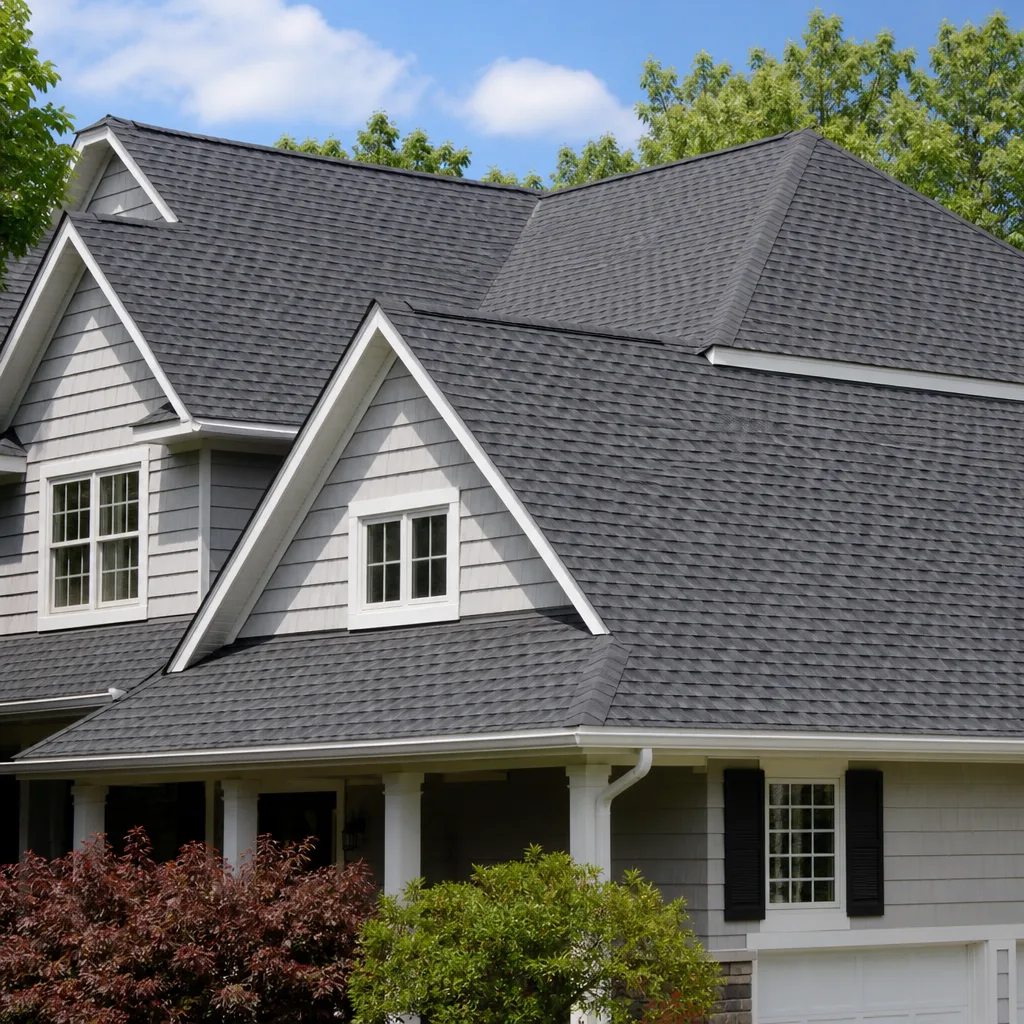
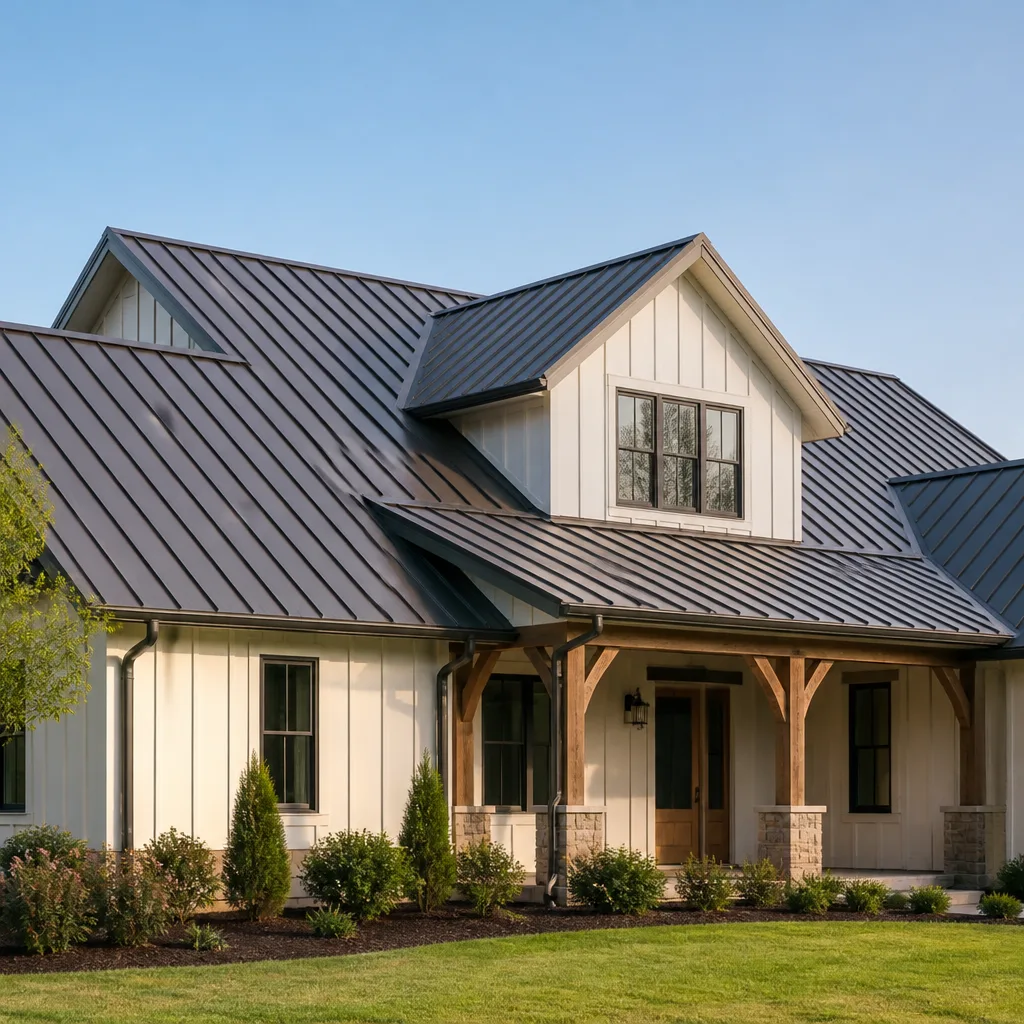
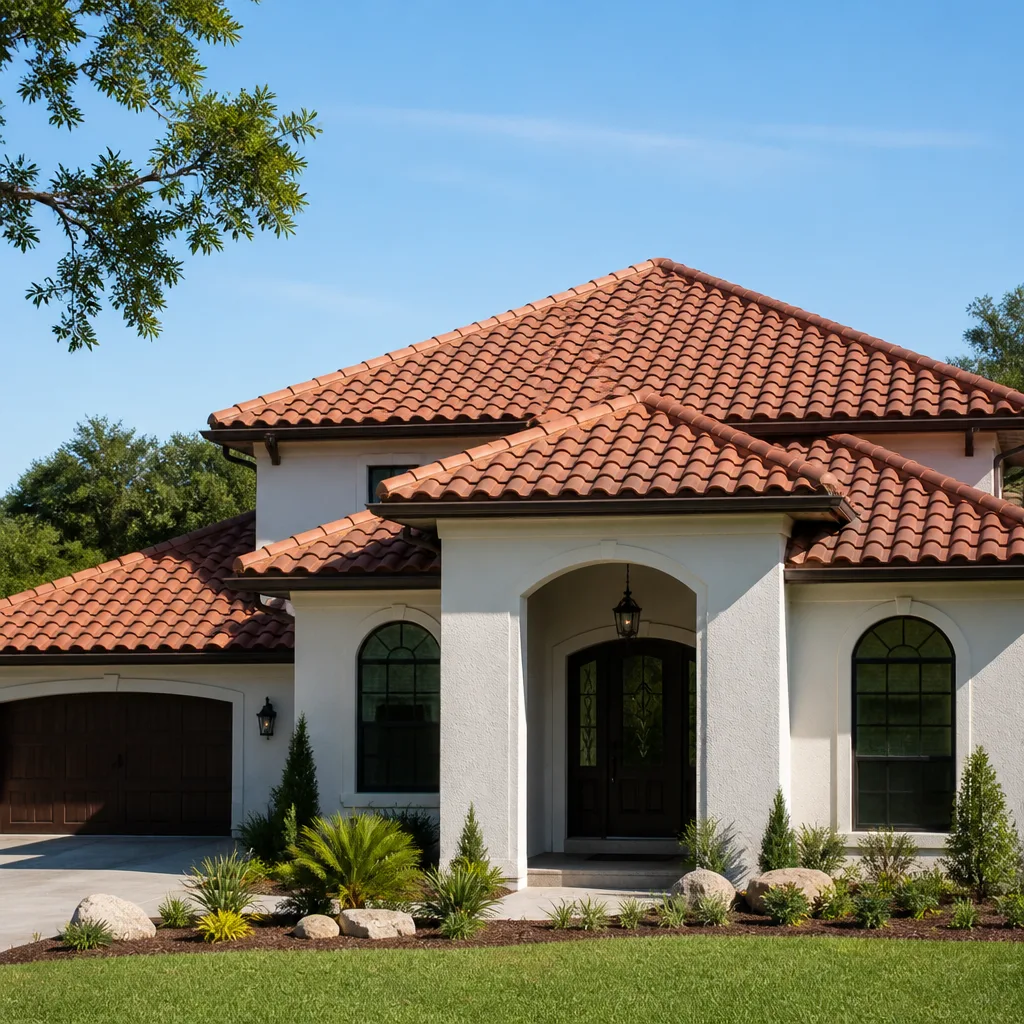
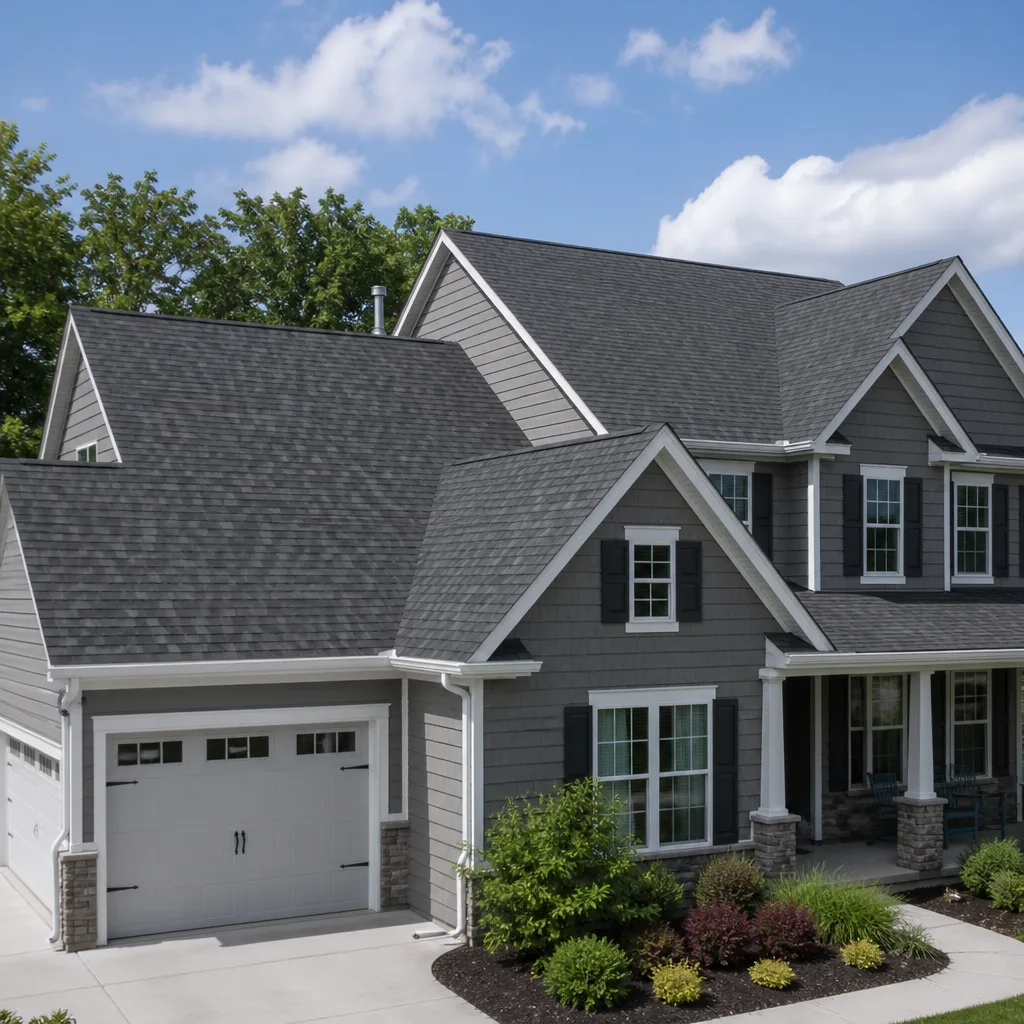
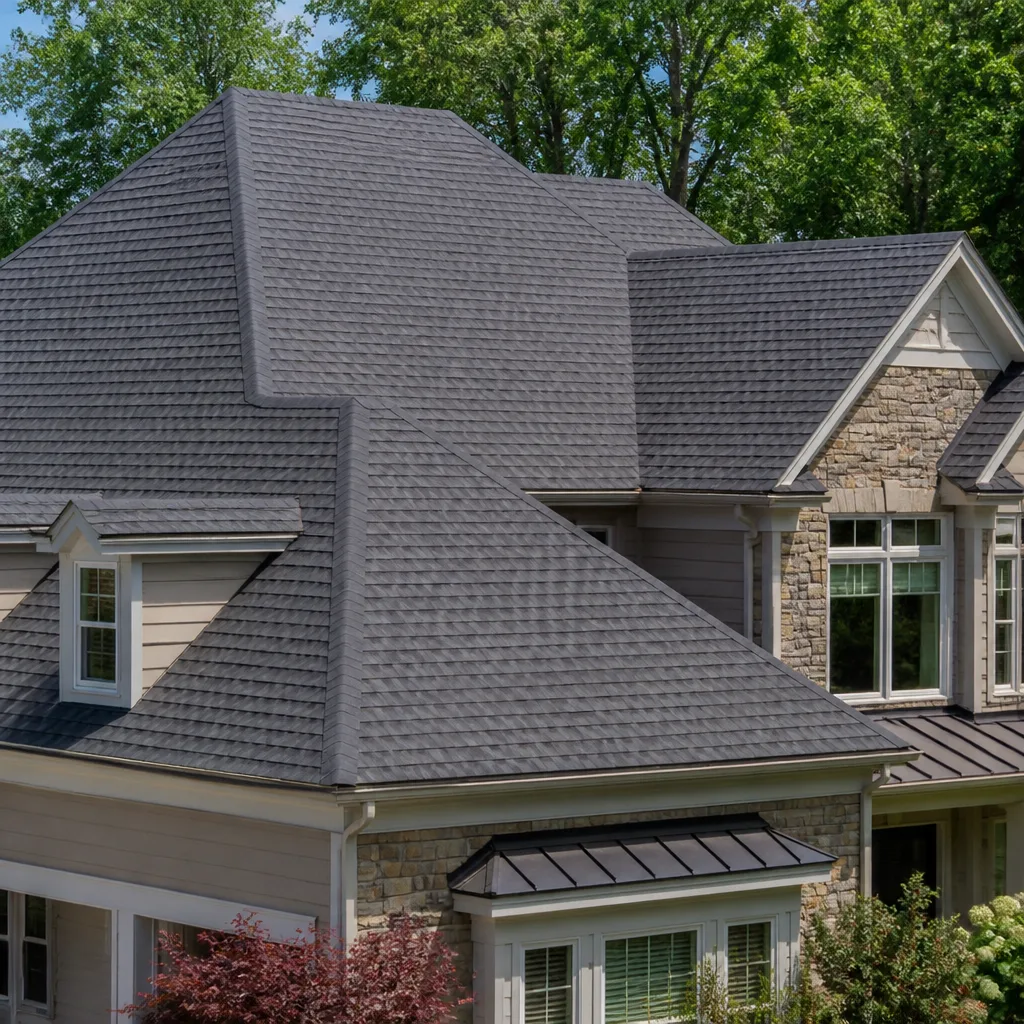
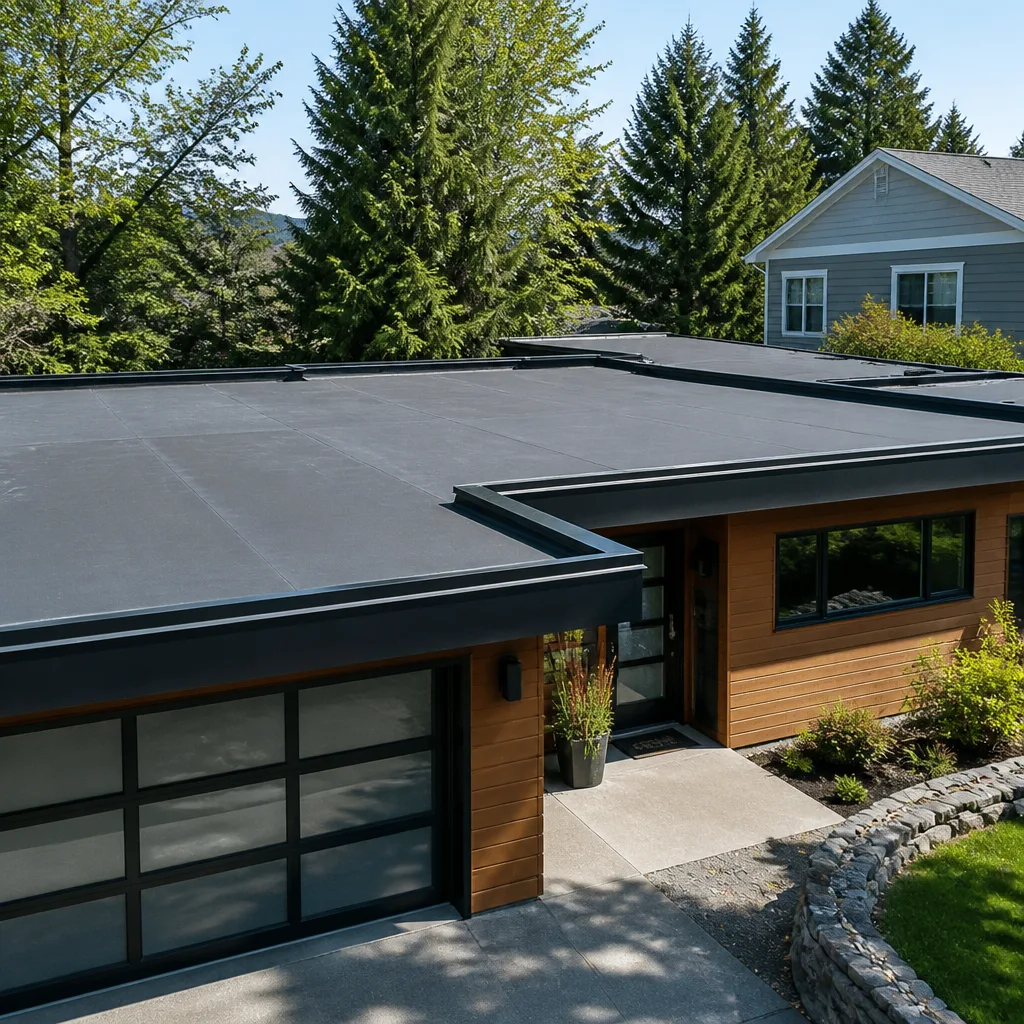
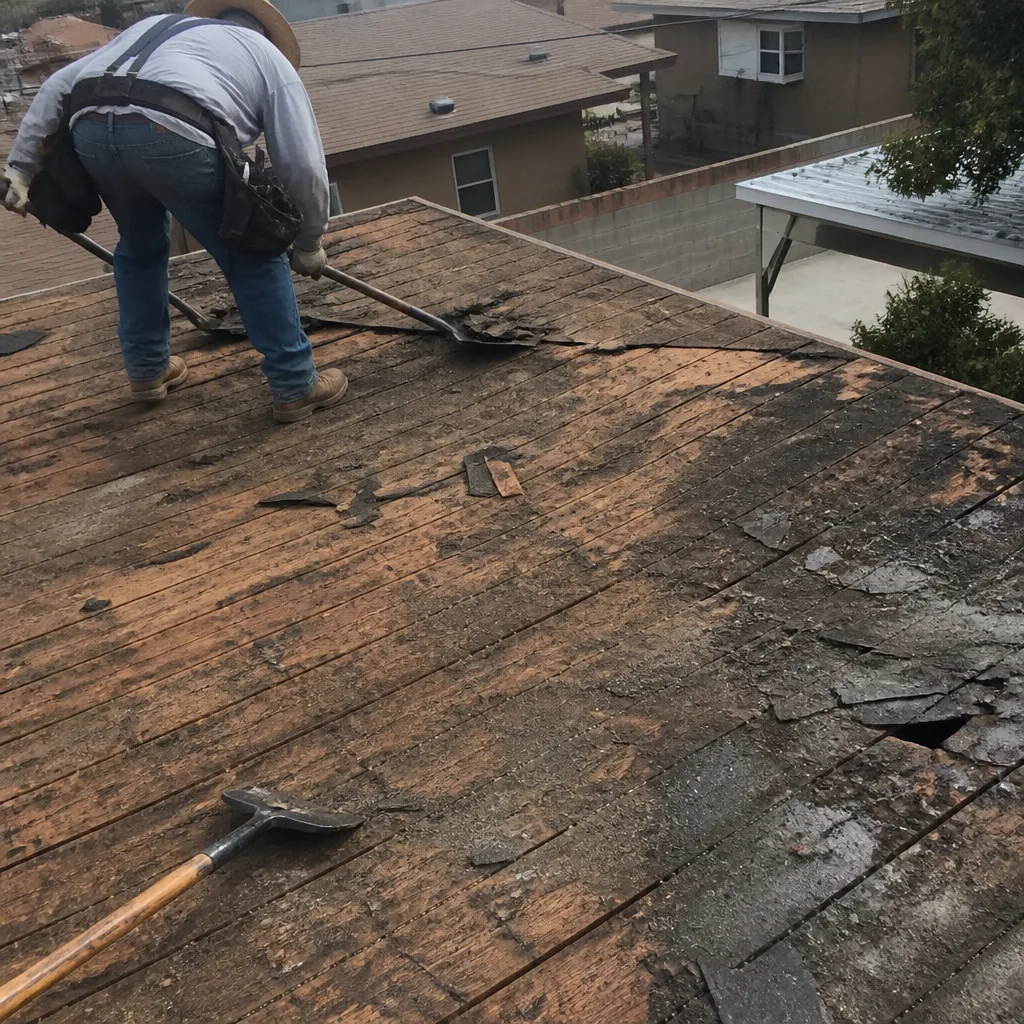 Before
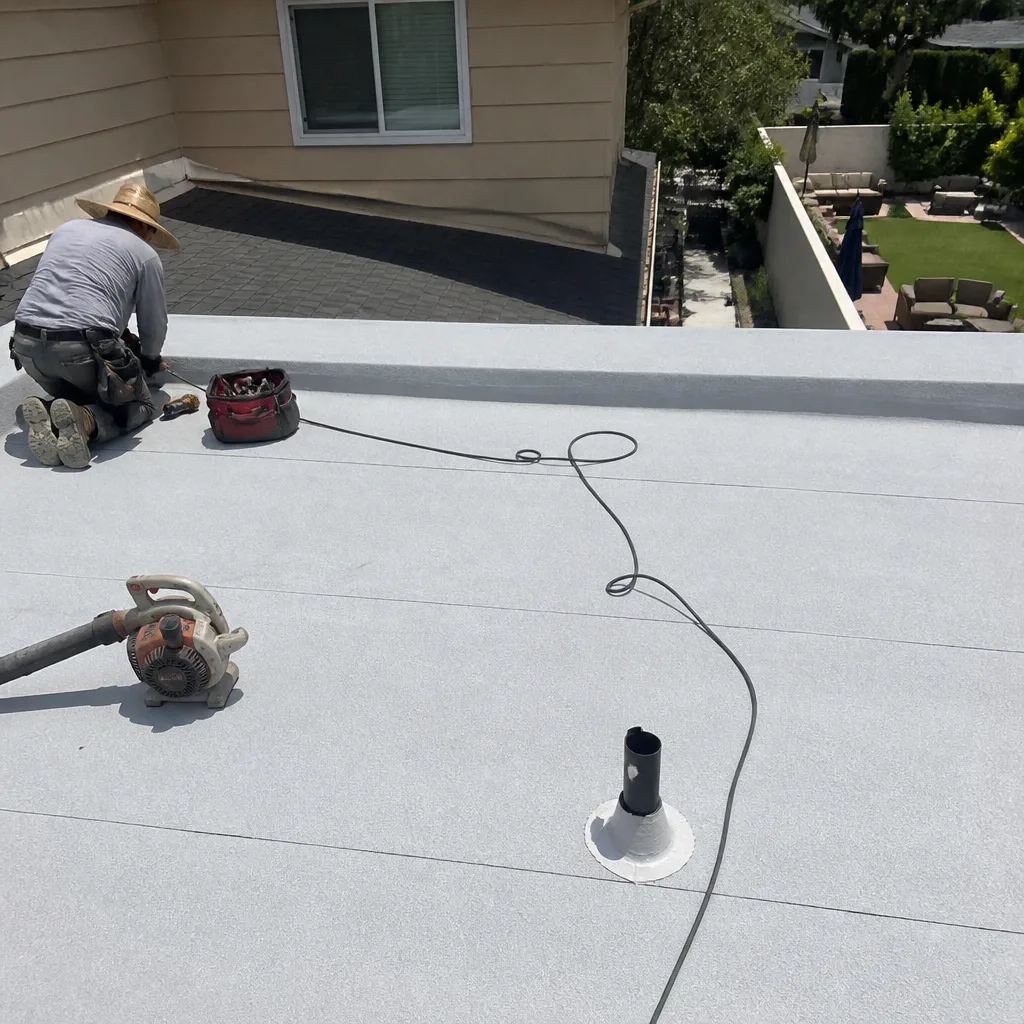 After
After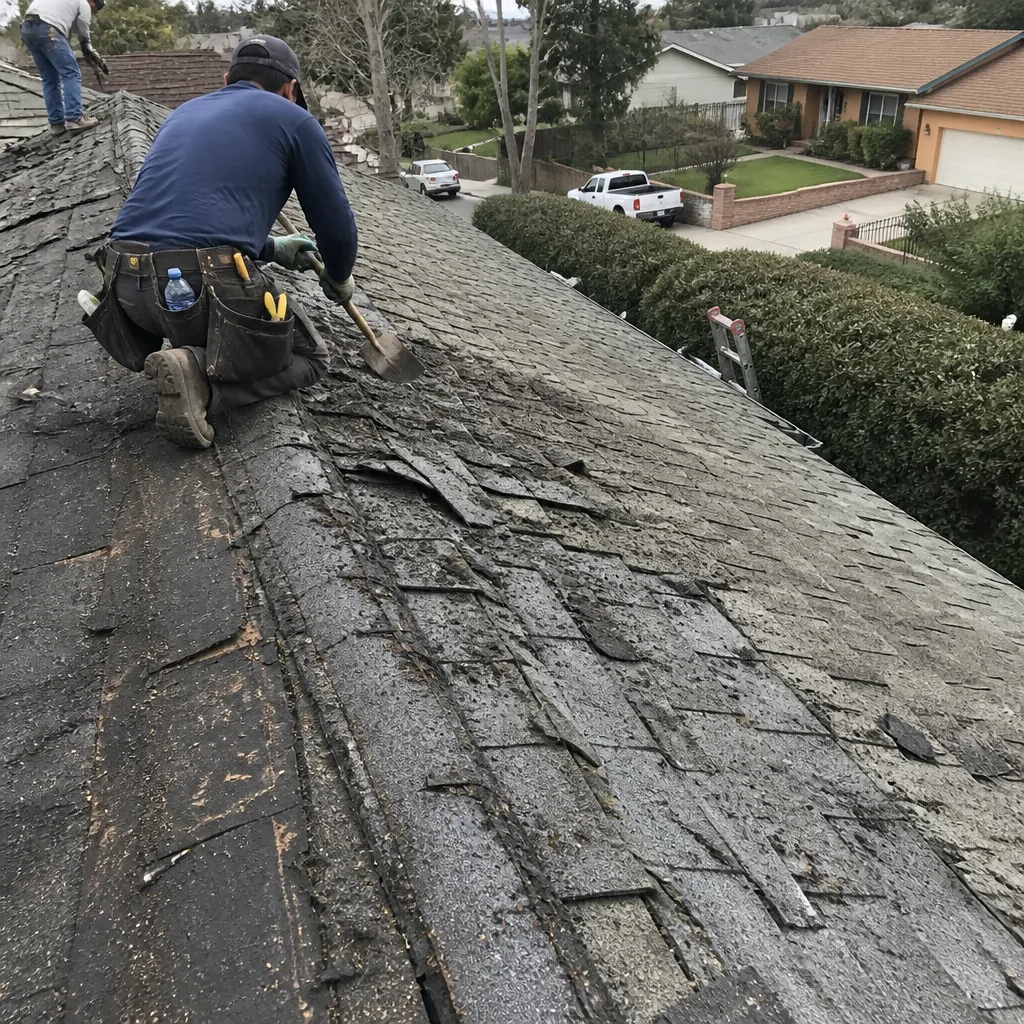 Before
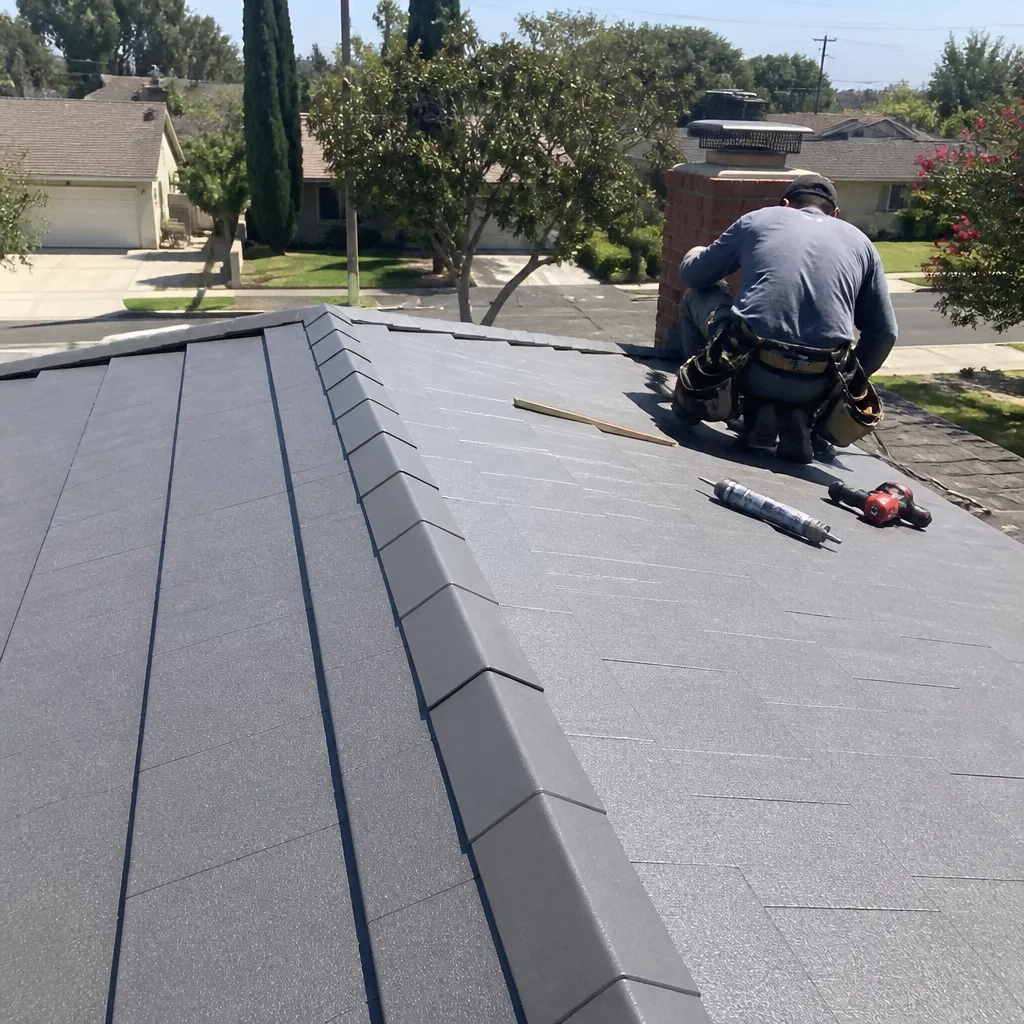 After
After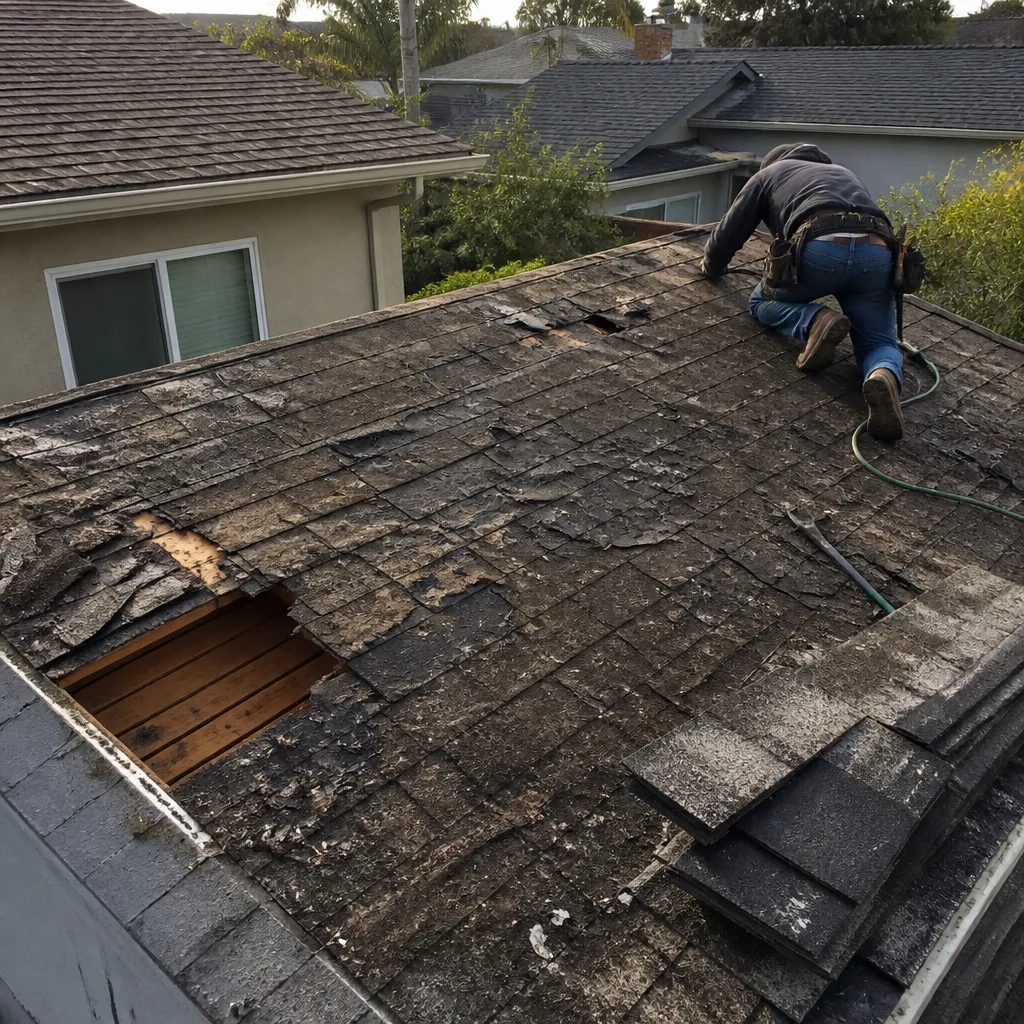 Before
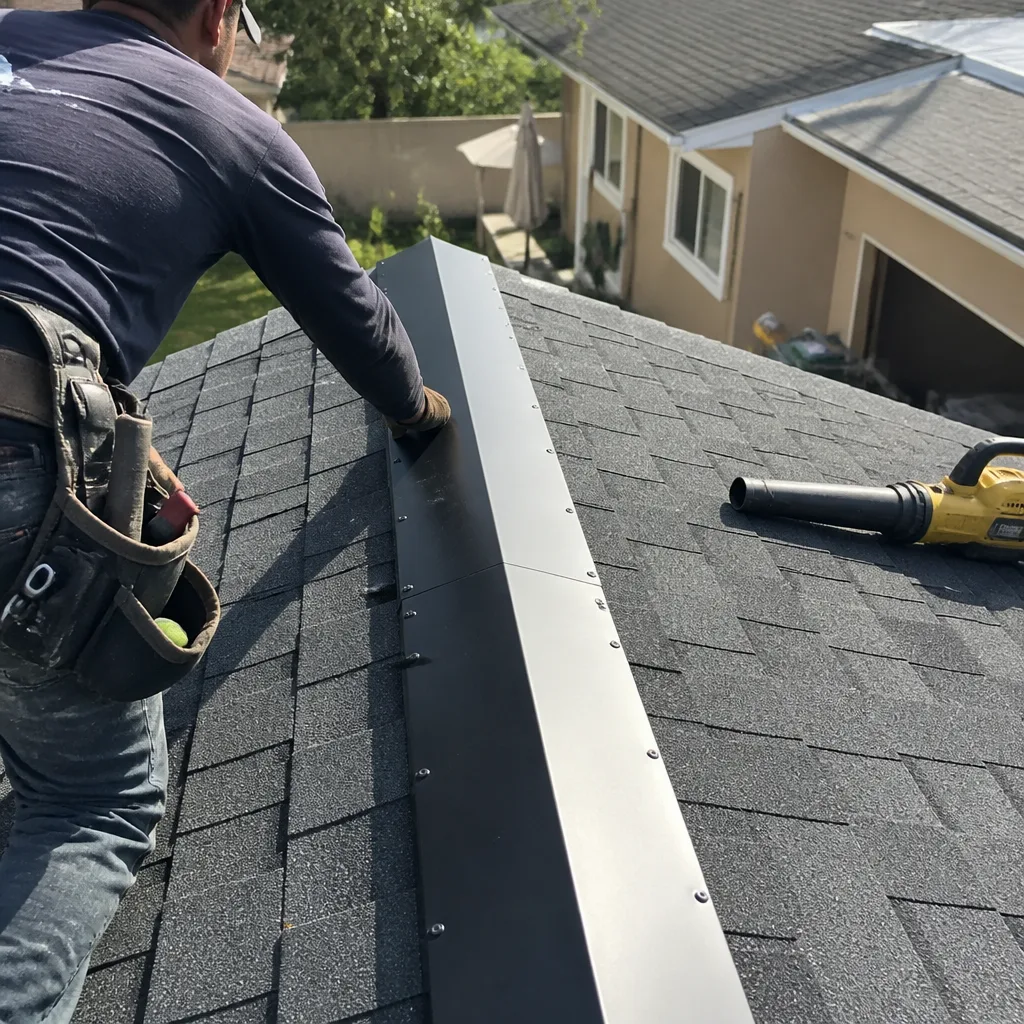 After
AfterThe Complete Roof Repair Guide for Los Angeles Homeowners
The average Los Angeles homeowner discovers roof damage 18 months after it starts. Not because the damage is hiding, but because the warning signs look completely different under 300 days of sun than they do after a midwest rainstorm. A water stain on the ceiling is obvious. A slow granule loss on a flat roof, the kind that precedes a five-figure tear-off, looks like nothing at all until a Santa Ana wind finds the weak spot. This guide walks through exactly how Los Angeles roofs fail, what Roof Repair actually costs in this market, which ones need a permit, and how to read an estimate so you know what you’re paying for before the first nail goes in.
Quick Answer
DIY vs Professional Roof Installation: What’s Safe to Do Yourself is a common question, but roof repair in Los Angeles typically costs between $350 and $1,500 depending on whether the issue is isolated flashing, a small patch, or a larger section of underlayment. Most homeowners in LA deal with UV-driven granule loss, cracked ridgelines from earthquake micro-shifts, or Santa Ana wind damage rather than the leak-driven failures common in rain climates. Repairs under $500 rarely need a LADBS permit, but anything involving structural decking replacement or more than 25% of the roof surface usually does.
Table of Contents
- How UV Damage Actually Destroys LA Roofs
- What Roof Repair Costs in Los Angeles in 2026
- Which Repairs Need a LADBS Permit (and Which Don’t)
- Earthquake Micro-Shift Cracking: The Failure Mode Most Roofers Misdiagnose
- Santa Ana Wind Season Prep: The Checks That Matter Before October
- How to Read an LA Roofing Estimate Line by Line
- Flat and Low-Slope Roofs: The LA Standard Most Guides Ignore
- Common Mistakes to Avoid
- When to Call a Professional
- Frequently Asked Questions
- The Bottom Line
How UV Damage Actually Destroys LA Roofs
In most of the country, roofs die from water. In Los Angeles, they die from light. Three hundred plus days of direct sun exposure breaks down the asphalt compounds that bind shingles together. The first visible sign is granule loss, those small mineral particles that protect the asphalt from UV radiation. When granules start collecting in your gutters or at the base of downspouts, the shingles above are already compromised.
On a steep-slope roof with architectural shingles from manufacturers like Owens Corning or CertainTeed, UV damage shows up as curling edges and a general fading of the color. On flat roofs, which cover a huge percentage of LA homes, the damage looks different. The surface gets brittle, small cracks form in a pattern that looks like alligator skin, and the membrane begins to shrink away from flashings at the edges. None of this leaks immediately, which is why so many Los Angeles homeowners miss it entirely.
In our experience working on roofs across neighborhoods from Sherman Oaks to Eagle Rock, we see the same pattern: a homeowner calls about a leak after the first real rain of November, and the inspection reveals UV damage that started two summers earlier. The repair approach for UV damage is different from leak-driven damage. You’re not just sealing a hole; you’re replacing material that has lost its protective coating and will keep degrading even in dry weather.
A Roof Repair in Los Angeles professional can measure how much of the granule layer is gone using a simple touch test, but the real question is whether there’s enough life left in the roof to justify a repair versus a section replacement. If more than 40% of the surface has significant granule loss, patching becomes a losing game. The money spent on repeated repairs usually exceeds the cost of replacing the affected plane.
What Roof Repair Costs in Los Angeles in 2026
Los Angeles roof repair pricing runs higher than the national average, and for good reasons: higher labor costs, stricter disposal fees, LADBS inspection requirements on larger jobs, and the extra time required to handle the city’s mix of roof types and older housing stock. Here’s a realistic breakdown of what we quote across the city:
- Small leak repair (single flashing point or shingle replacement): $350 to $650. This is typically a half-day job involving replacement of a pipe boot, a section of step flashing, or a handful of damaged shingles.
- Medium repair (multiple damaged shingles, small section of underlayment, localized decking patch): $650 to $1,400. Usually involves opening the roof, replacing water-damaged underlayment, and installing new shingles to match.
- Flat roof patch (membrane repair, seam sealing, edge flashing): $500 to $1,200 depending on the membrane type. Modified bitumen repairs run lower than single-ply TPO or PVC patches.
- Ridgeline repair after earthquake cracking: $700 to $1,800. This involves re-bedding ridge shingles, sometimes replacing the ridge board section underneath.
- Decking replacement (per 4×8 sheet): $75 to $120 per sheet, installed. Water-damaged or cracked decking is an add-on cost on nearly every significant repair.
- Full repair permit (when required by LADBS): $150 to $450 depending on the valuation of the work. This is a pass-through cost, not a markup.
These ranges reflect what we see across Los Angeles in 2026, from the San Fernando Valley to the Westside. Material choice matters: IKO and Atlas architectural shingles run slightly lower than GAF Designer series, while Tamko shingles sit in the middle. Labor stays consistent; it’s the materials that swing the number.
One thing that doesn’t change: whether it’s a $400 patch or a $4,000 section replacement, you should have a written price before any work starts. No exceptions. If a roofer won’t put the number on paper before touching your roof, that’s a red flag no matter how low the quote.
Which Repairs Need a LADBS Permit (and Which Don’t)
Los Angeles has some of the most specific roofing permit rules in the country, administered through the Los Angeles Department of Building and Safety (LADBS). The general rule: if you’re replacing roofing material but not changing the underlying structure, you may be exempt. If you’re touching decking, altering the roof structure, or replacing more than 25% of the roof area, a permit is almost always required.
Repairs that typically DO NOT require an LADBS permit:
- Shingle replacement under the 25% threshold. Replacing damaged individual shingles or a small section, as long as you’re not disturbing the decking beneath, falls under routine maintenance.
- Flashing replacement. Replacing pipe boots, step flashing, or valley flashing counts as maintenance if the surrounding roofing material is left intact.
- Sealing and patching flat roof surfaces. Minor membrane patches and seam repairs on flat or low-slope roofs don’t trigger permit requirements unless water damage extends to the decking.
- Ridge cap replacement. Re-bedding or replacing ridge cap shingles without touching the ridge board is a maintenance task.
Repairs that DO require an LADBS permit:
- Decking replacement. If water damage has compromised the plywood or OSB decking, you’re now repairing structure, not covering. The permit threshold is triggered regardless of square footage.
- Replacement exceeding 25% of the roof surface. The LADBS uses valuation to determine permit requirements, not just area. In practice, any repair quoted over $750 in labor and materials often crosses the line where the city wants a simple permit pulled.
- Any modification to roof drainage. Adding a new scupper, changing the slope, or altering the drainage pattern requires plans and approval.
- Shear wall or structural connection work. If earthquake damage has moved beyond surface cracking into the roof-to-wall connections, you’re in structural retrofit territory, which requires both a permit and potentially a structural engineer.
Here’s the thing about permits in Los Angeles: when they’re required, pulling them protects you. The inspection creates a paper trail that verifies the work was done to current code, which matters for insurance claims, future home sales, and any warranty claims. A Roofing Company in Los Angeles that actively resists pulling a permit on a job that clearly needs one is not doing you a favor; they’re shifting risk onto you. Any legitimate repair estimate should state clearly whether a permit is included or excluded, and what the fee is.
Earthquake Micro-Shift Cracking: The Failure Mode Most Roofers Misdiagnose
Los Angeles sits on a network of fault lines, and the ground moves constantly, not just during the big ones. Every small earthquake, every subtle shift, applies stress to the connection points where the roof meets the walls. The failure shows up first at the ridgeline, the highest point of the roof where the opposing slopes meet.
The crack pattern is specific: shingles along the ridge line separate from the ridge board underneath, leaving a gap that you can see from the ground if you know what you’re looking at. Water doesn’t typically rush through immediately. These cracks are small, and the slope of the roof means most water runs away from them. But during driven rain, especially with the wind patterns we get in January and February, water gets pushed up and under those lifted ridge shingles.
The most common misdiagnosis is “settling.” A roofer who hasn’t worked through seismic shifts will tell you the house is settling and the crack is cosmetic. In a non-earthquake region, that’s sometimes true. In Los Angeles, it’s usually wrong. The repeated micro-shifts have opened the seam, and simply caulking it or tacking down the lifted shingles will fail within a season because the movement continues.
The proper repair requires removing the ridge cap, inspecting the ridge board for cracking or separation, replacing any compromised section, reinstalling new ridge shingles with proper fastener spacing, and sometimes adding extra fasteners to the field shingles near the ridge to hold everything tighter during the next shift. We’ve done this repair on homes throughout Los Feliz, Silver Lake, and the hills above Studio City where the seismic movement is more pronounced due to the soil conditions. It’s a different repair than what you’d get on a house in Omaha, and that’s the point.
Santa Ana Wind Season Prep: The Checks That Matter Before October
Santa Ana winds arrive every fall, usually starting in late September and running through November, with occasional winter events. These aren’t ordinary winds. They come down the mountains, warm up, dry out, and gust to 40, 50, sometimes 60 miles per hour through the passes and canyons. For roofs, the damage mechanism is uplift: wind hits the roof surface and creates negative pressure that tries to peel the roofing material off the deck.
The preparation checks are specific, and most Los Angeles homeowners never do them before the first wind event of the season. Here’s what actually matters:
- Edge flashing and drip edge. The first thing to fail in sustained wind is the edge. If your drip edge is loose or corroded, wind gets under it and starts peeling the whole edge system. Check it visually or have it inspected in September.
- Fastener pattern on the field shingles. Los Angeles building code requires a specific nailing pattern (usually 6 nails per shingle in high-wind areas, up from the standard 4). If your roof was installed when 4 nails were acceptable, or if the installer cut corners, the wind will find those shingles.
- Pipe boots and vent collars. These rubber components degrade faster in LA’s UV environment than anywhere else in the country. Once the rubber cracks, a Santa Ana gust can rip the collar right off, leaving an open hole.
- Curling shingle edges. Once the edge of a shingle curls up even a quarter inch, wind gets underneath it. The force peels it back, then the shingle next to it, then the one next to that.
- Flat roof perimeter fastening. On flat and low-slope roofs, the first failure point is the metal edge flashing at the perimeter. If the fasteners have worked loose over a hot summer, the first strong Santa Ana will lift the flashing and tear the membrane.
We tell homeowners in wind-exposed areas like Porter Ranch, Granada Hills, and the hillside communities along the 118 and 210 corridors to run these checks in September. The repair cost for catching a loose edge in September is a few hundred dollars. The cost of ignoring it until November is often a full roof section replacement, because once a Santa Ana gets under the edge, it doesn’t stop at one shingle.
How to Read an LA Roofing Estimate Line by Line
Roofing estimates in Los Angeles vary wildly in format, but the good ones share common elements. The bad ones hide costs in vague language. Here’s how to read the document before you sign anything.
The standard line items you should see:
- Material description. The specific product and brand: “Owens Corning Duration architectural shingles, color: Driftwood” rather than “architectural shingles.” Vague language means you could get anything.
- Scope of work. Which roof sections, which flashings, what’s being removed and what’s staying.
- Decking replacement contingency. Usually written as “per sheet if needed” with a unit price. This is standard and legitimate because no one knows if the decking is compromised until the old shingles come off.
- Underlayment specification. The type and brand of the material going under the shingles. In Los Angeles, this matters for UV and heat resistance, not just waterproofing.
- Ventilation components. If the estimate includes improving attic ventilation, it should specify what type and how many units.
- Permit fees and inspection scheduling. If the job requires a permit, the estimate should show the fee and state who handles the LADBS paperwork.
- Disposal and cleanup. Los Angeles has specific construction waste handling requirements. This should be a line item, not absorbed into a vague “miscellaneous” line.
- Guarantee terms. What’s covered, for how long, and what the process is if something fails. “365 days” is specific; “we stand behind our work” is not.
The “code upgrade” question:
You may see a line item called “code upgrade” or “bring to current code.” When is this legitimate? When a roof is old enough that the original installation didn’t meet current LADBS requirements, and the repair or replacement triggers a code compliance review. Common legitimate code upgrades include improving the nailing pattern from 4 nails to 6, adding required ventilation, or addressing seismic strapping requirements that didn’t exist when the house was built.
When is it not legitimate? When the roofer can’t explain specifically what code section applies and what material or labor is included. “Code upgrade: $1,200” with no detail is a red flag. “Nailing pattern upgrade to meet LADBS Section 1507.2.7: 6 nails per shingle, additional labor and fasteners: $350” is legitimate and specific.
Any Roof Installation in Los Angeles estimate you receive should have the price in writing before work begins. If you’re comparing bids and one is significantly lower, look at what’s missing, not what’s included. In our market, price differences usually come down to underlayment quality, warranty terms, and whether the quote covers proper debris disposal or assumes you’ll handle it.
Flat and Low-Slope Roofs: The LA Standard Most Guides Ignore
National roofing guides are written for houses with pitched roofs and asphalt shingles. But a huge percentage of Los Angeles homes, especially mid-century construction from the 1950s through the 1970s, have flat or very low-slope roofs. The failure patterns, repair methods, and material choices are completely different, and homeowners who apply pitched-roof logic to flat roofs make expensive mistakes.
Flat roof membranes in LA take massive UV exposure. Modified bitumen, built-up roofing with gravel, and single-ply membranes like TPO or PVC each respond differently. Built-up roofing with a gravel surface holds up reasonably well if the gravel layer is maintained, but once the gravel thins out and the asphalt beneath is exposed, degradation accelerates fast. Modified bitumen surfaces develop the alligator cracking pattern mentioned earlier. TPO and PVC membranes can last, but their seams are the weak point, especially under thermal expansion and contraction from LA’s hot days and cool nights.
The repair approach on flat roofs is fundamentally different from shingle work. You’re not replacing individual units; you’re patching a continuous membrane. Small repairs involve cleaning the surface, applying a compatible patch material, and sealing the edges. Larger issues usually mean re-coating the entire surface with a reflective coating that serves double duty as UV protection and waterproofing. In a city where summer roof surface temperatures can hit 160 degrees, the reflective coating isn’t optional; it’s the primary defense.
Drainage is the other flat roof issue specific to LA. Flat roofs aren’t actually flat; they’re built with slight slopes toward drains or scuppers. Over time, the roof structure sags, and water ponds in low spots. During LA’s dry months, that ponding water evaporates quickly, but each cycle leaves behind dissolved minerals and debris that degrade the membrane. The repair is often not in the membrane itself but in addressing the ponding through re-sloping, adding tapered insulation, or installing additional drains. If your roofer wants to patch a membrane over a ponding area without addressing the drainage, the patch will fail.
Common Mistakes to Avoid
- Waiting for a leak to investigate. In Los Angeles, the damage is happening long before water shows up. Granule loss, curling, and cracking all signal UV and wind damage that will leak eventually. By the time water appears, the repair is bigger and more expensive.
- Caulking over cracked flashing. Sealant is not a repair for failed flashing. It’s a temporary pause that buys you a few months at most, and it often makes the eventual proper repair more difficult because the old sealant has to be removed.
- Ignoring the estimate’s permit implications. If a roofer quotes a job that clearly requires a permit but tells you not to worry about it, you’re assuming liability. If an unpermitted repair fails and causes interior damage, your insurance company may deny the claim.
- Choosing materials by price alone. The difference between a budget shingle and a premium architectural shingle from Atlas or Tamko is often $800 to $1,500 on a typical LA home. Over the 20 to 30 year life of the roof, that difference is pennies per day. Buy for durability, not for the initial quote.
- Re-roofing over damaged decking. Some contractors will offer a lower price by skipping decking inspection and replacement. This saves money now and guarantees a shorter roof life. Decking is the foundation; if it’s compromised, everything on top of it is compromised.
- Ignoring attic ventilation. In Los Angeles heat, attic temperatures can climb over 150 degrees. Poor ventilation bakes the shingles from underneath, dramatically shortening their life. Any significant roof repair should include a ventilation assessment.
- Not confirming who shows up at your door. You should know the name of the technician coming to your home before they arrive, and they should carry identification. This is a basic safety expectation that too many LA homeowners skip.
When to Call a Professional
If you can see daylight through the roof boards from inside the attic, call a professional. If the granules are filling your gutters after each dry month, call a professional. If the edge flashing is lifted or you can see the underside of a shingle from the ground, call a professional. If a Santa Ana wind event just passed through and you hear any flapping sound coming from the roof, call a professional immediately, because that sound is a shingle or membrane section working loose, and the next wind gust will finish the job.
Some things shouldn’t wait. Active leaks, especially near electrical fixtures, need attention fast. Water and wiring don’t mix. Even a slow leak under the attic insulation is rotting decking that you can’t see. The longer it waits, the more expensive the fix.
Mercer Roofing home offers free estimates across Los Angeles. Call (743) 200-8347 and a live person answers, any hour, any day. Every technician who comes to your door is background-checked, arrives in a uniform, and carries a photo ID badge. We send their name and photo before they arrive, so you know exactly who’s at your door before you open it. Every price goes in writing before work starts, and every repair includes a written 365-day guarantee.
Frequently Asked Questions
A typical Los Angeles roof repair runs between $350 and $1,500 depending on the scope, with small flashing or shingle replacements at the lower end and larger decking or underlayment repairs at the higher end. Flat roof patches usually start around $500, while earthquake-related ridge repairs can reach $1,800 when the ridge board needs replacement. Call (743) 200-8347 for a written estimate specific to your roof.
Most minor repairs under 25% of the roof surface and under roughly $750 in valuation do not require an LADBS permit, but decking replacement, drainage modifications, and anything touching structural components almost always do. A legitimate contractor will tell you upfront whether a permit is included and what the fee is.
Small repairs take a half day, while medium repairs involving underlayment or decking typically take one to two full days. Flat roof patches with proper surface preparation often require two visits: one for prep and patch application, and a second for inspection and any touch-up work.
It should not, with one standard exception. If the initial quote includes a decking contingency, the price may adjust based on how many sheets of decking actually need replacement once the old roofing material comes off. Beyond that, the written price should be the price. At Mercer Roofing, the written estimate is the number we honor, every time.
The most common shingle brands installed in Los Angeles are GAF, CertainTeed, Owens Corning, IKO, Atlas, Tamko, and Boral. Each has different lines at different price points, and UV resistance varies. Owens Corning and Atlas both offer architectural shingles that perform well in high-UV environments when properly installed.
Look at the ridgeline from the street or from a ladder. If the ridge shingles appear lifted, separated, or cracked in a pattern that follows the ridge, that’s a strong indicator of seismic micro-shift damage, not normal settling. The crack pattern will usually extend along the ridge rather than appearing as isolated damage. A professional inspection can confirm whether the ridge board underneath is compromised.
The Bottom Line
Los Angeles roofs fail differently than roofs anywhere else in the country, and the homeowner who understands that is the homeowner who spends less money over the life of the property. UV degradation, earthquake micro-shifts, and Santa Ana winds are the three forces that do the real damage, and the early warning signs are visible months or years before the leak appears. Learn what to look for, know which repairs need permits and which don’t, and read your estimates line by line. For more guides & resources, explore our full collection. And when you’re ready to have someone look at the roof, make sure you know exactly who’s coming to your door before they knock. That’s not paranoia; it’s basic home protection in a city of four million people.
Written by Grant Whitlock, Owner at Mercer Roofing, serving Los Angeles since 2000.