
Last updated October 9, 2026
Free roof inspection with deck photos before we talk money - GAF and Owens Corning certified installation
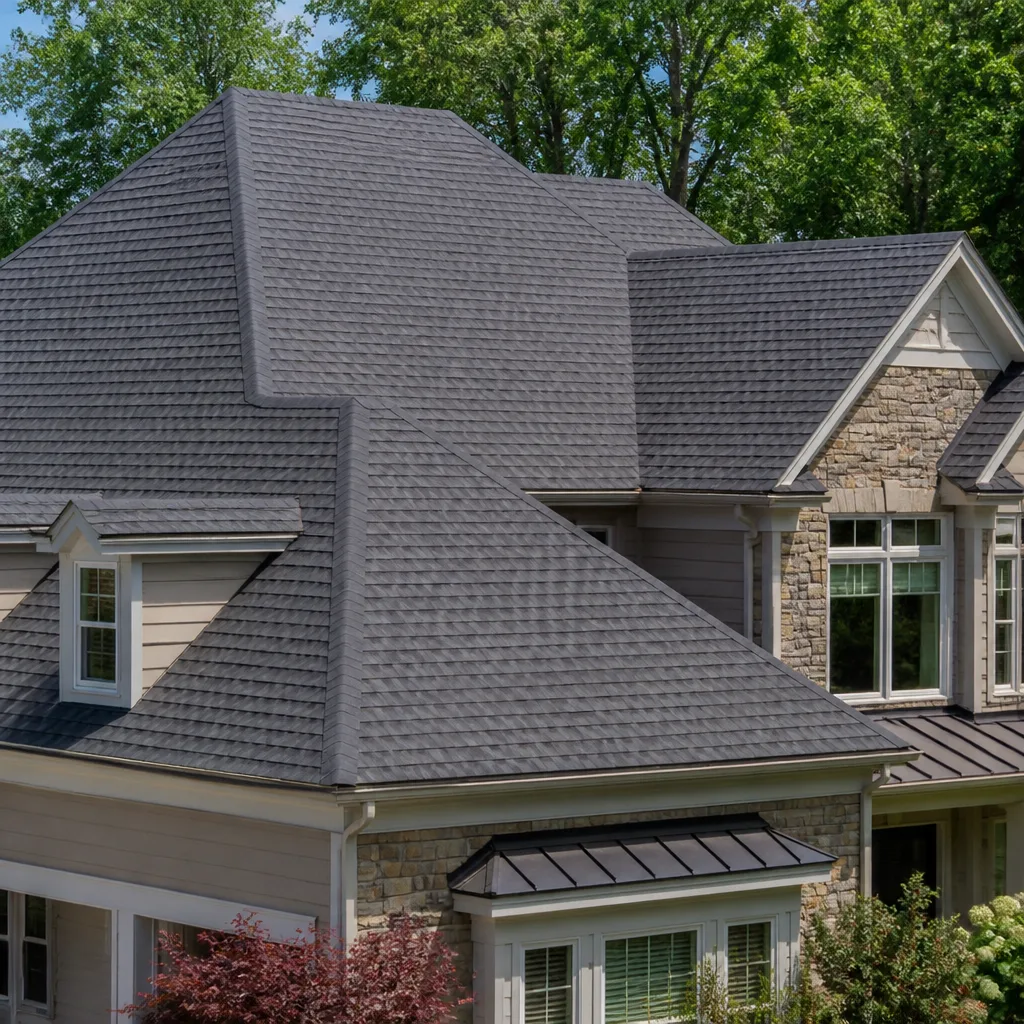
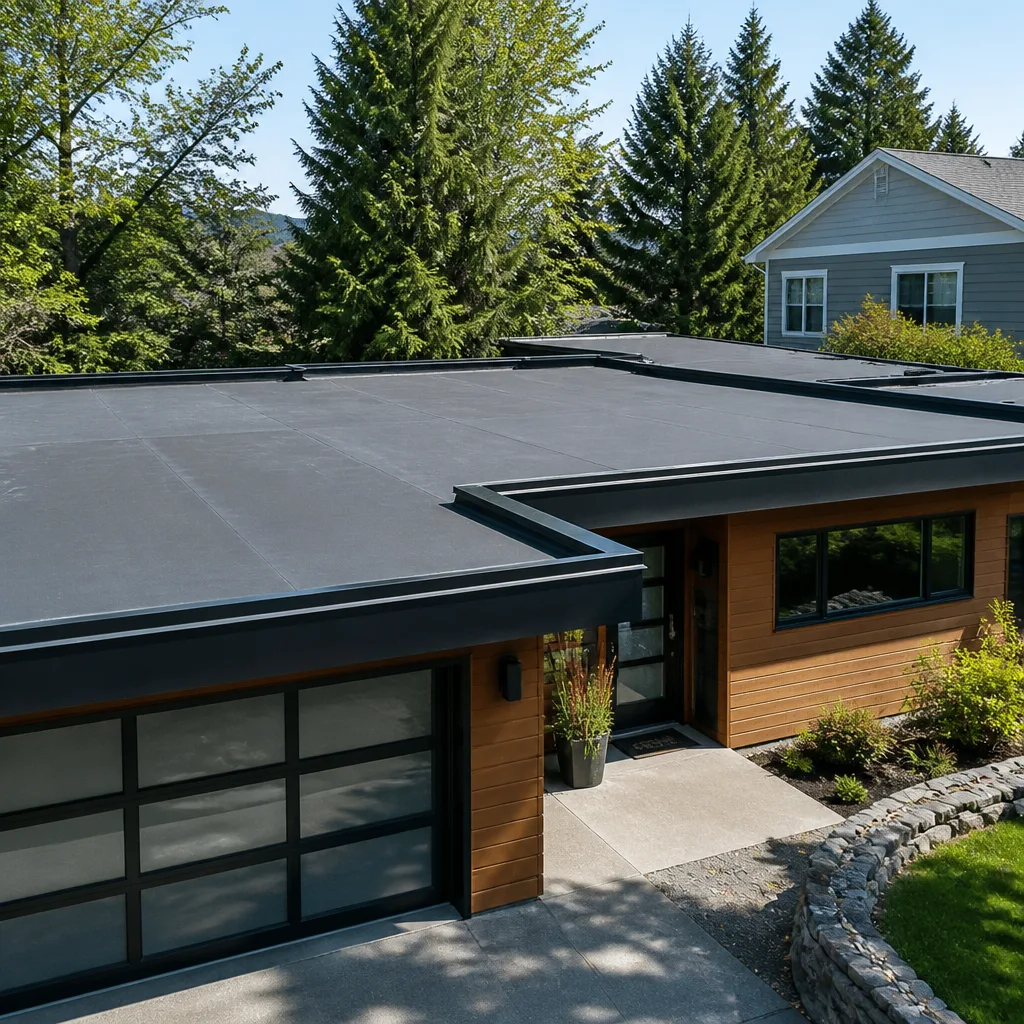
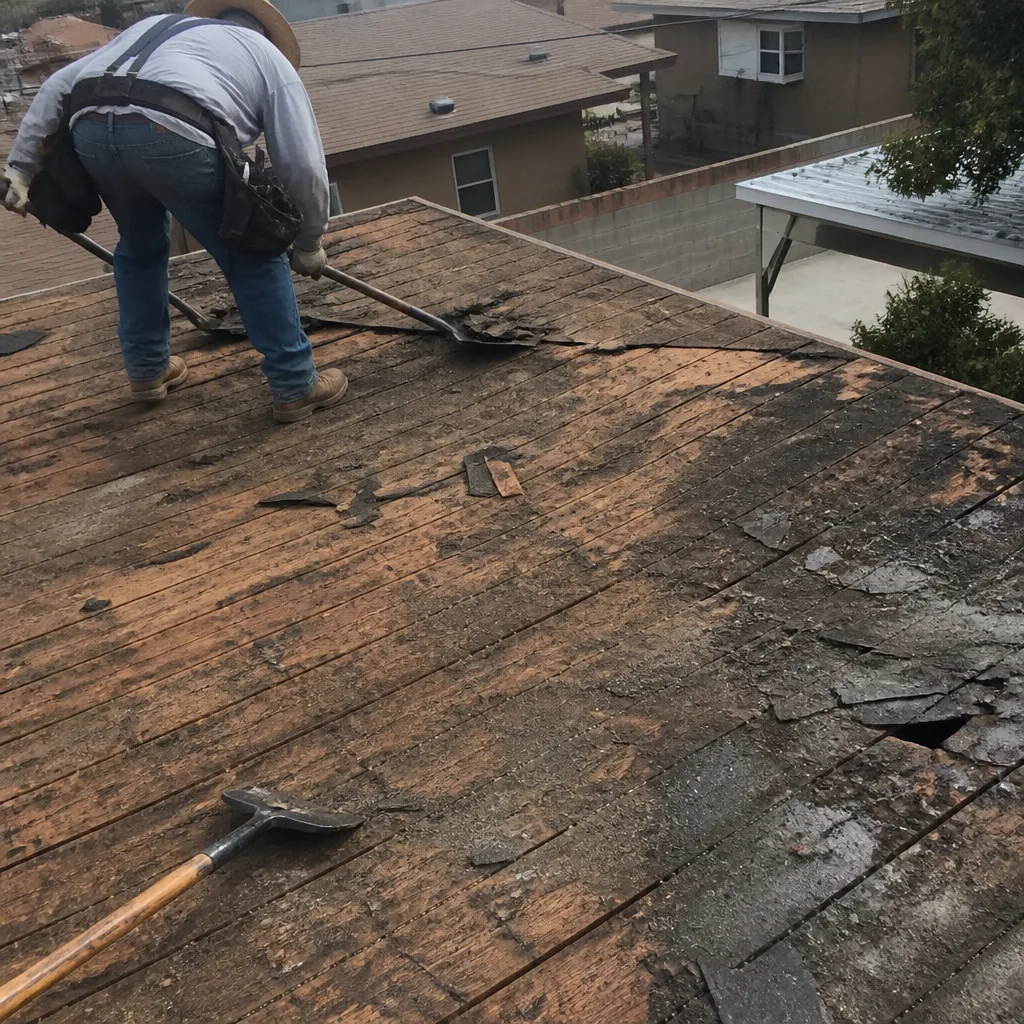 Before
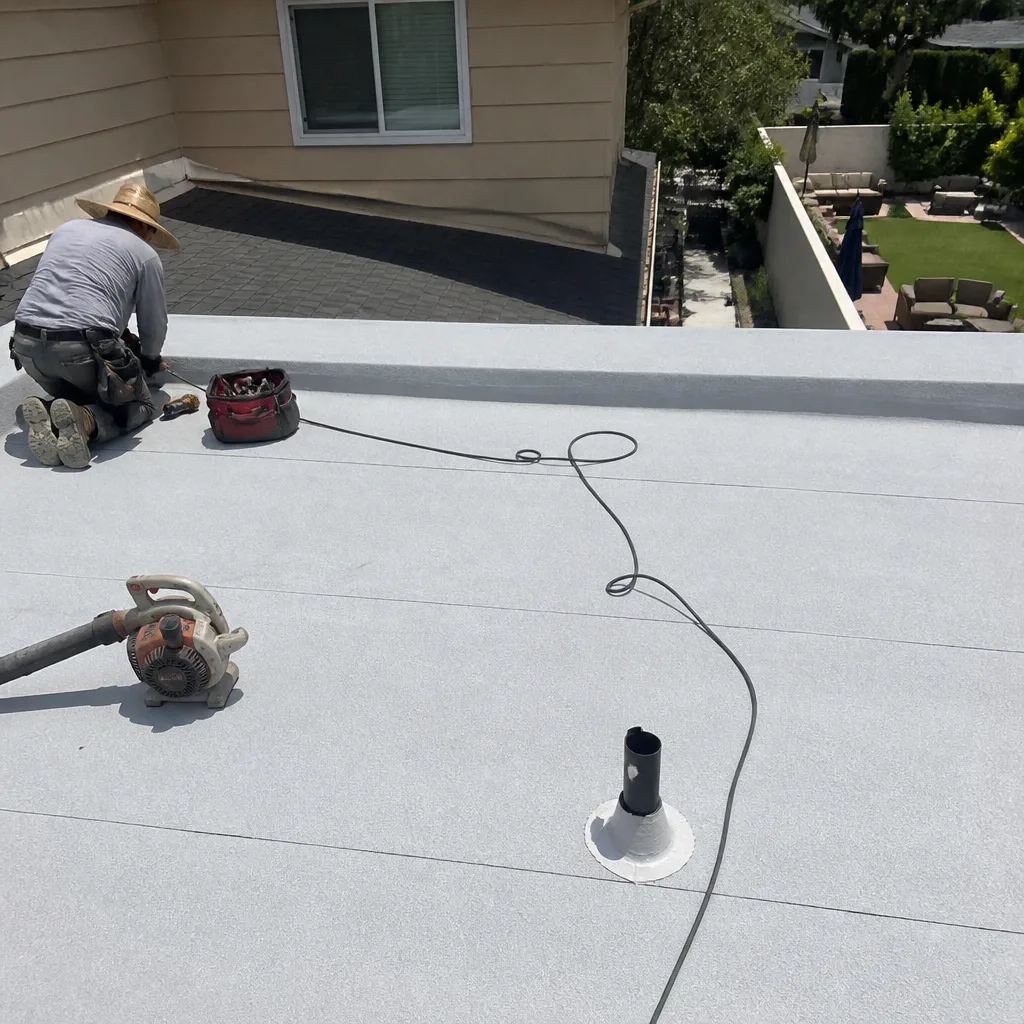 After
After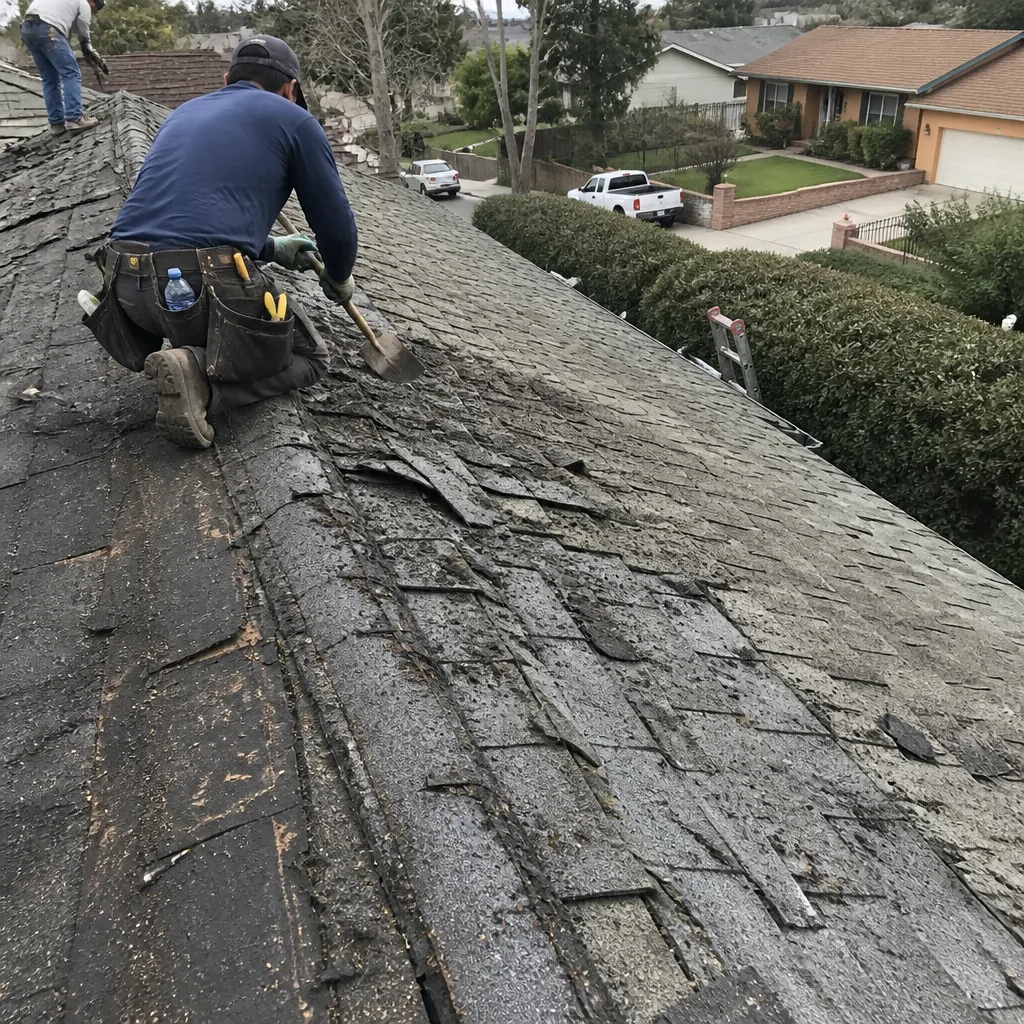 Before
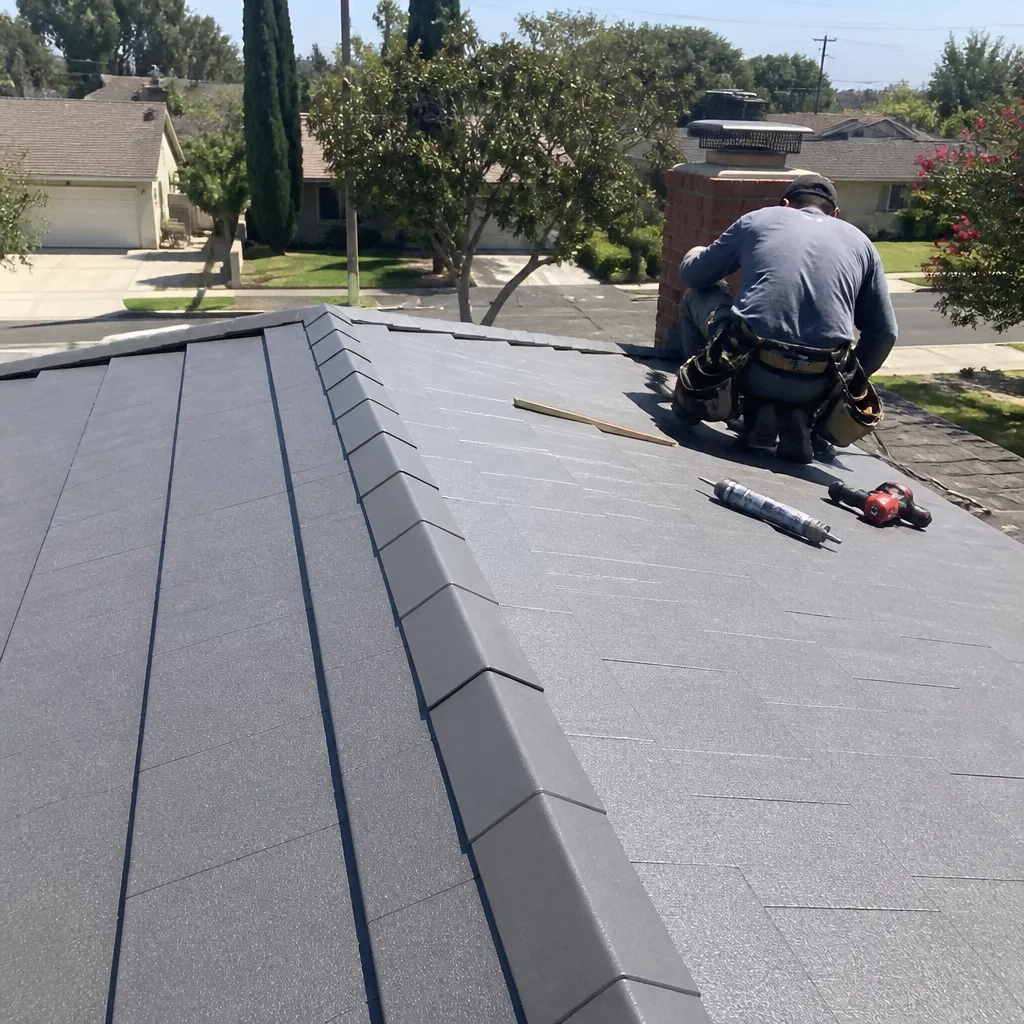 After
After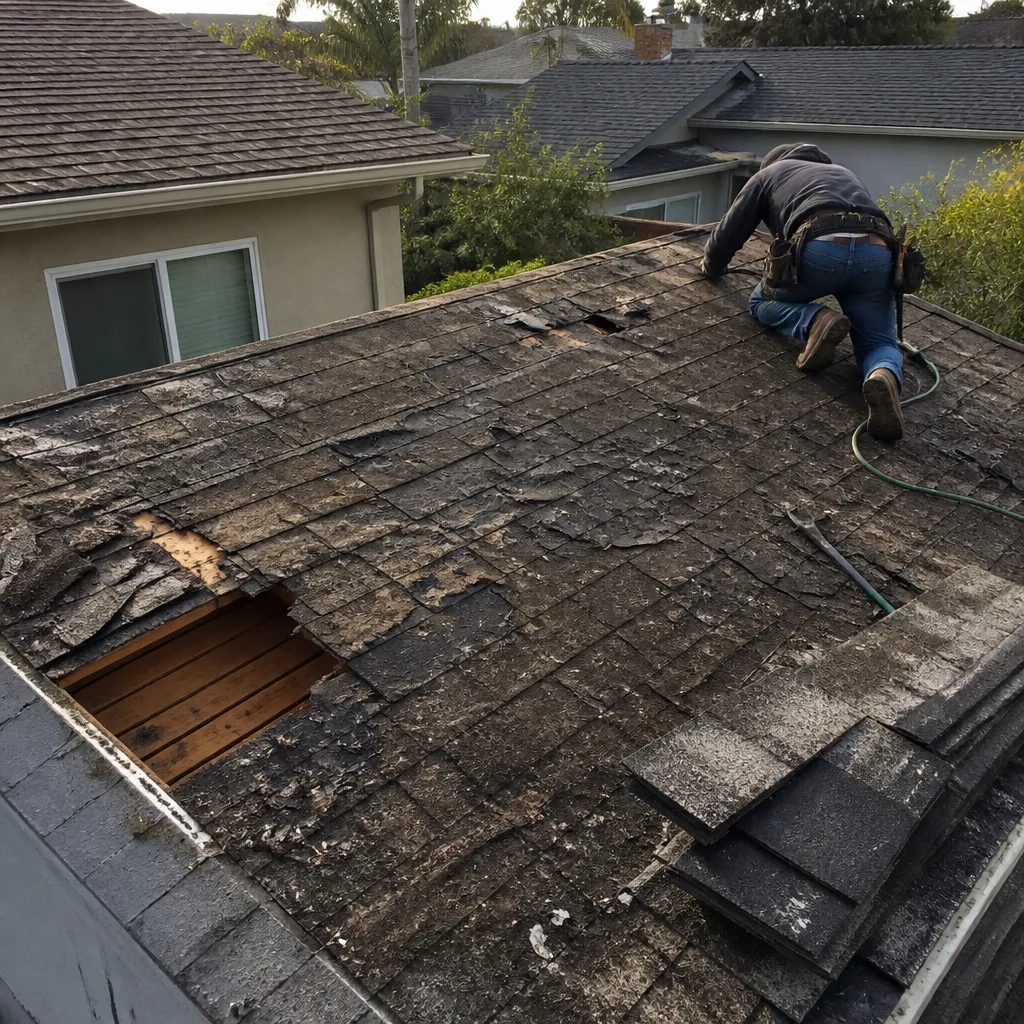 Before
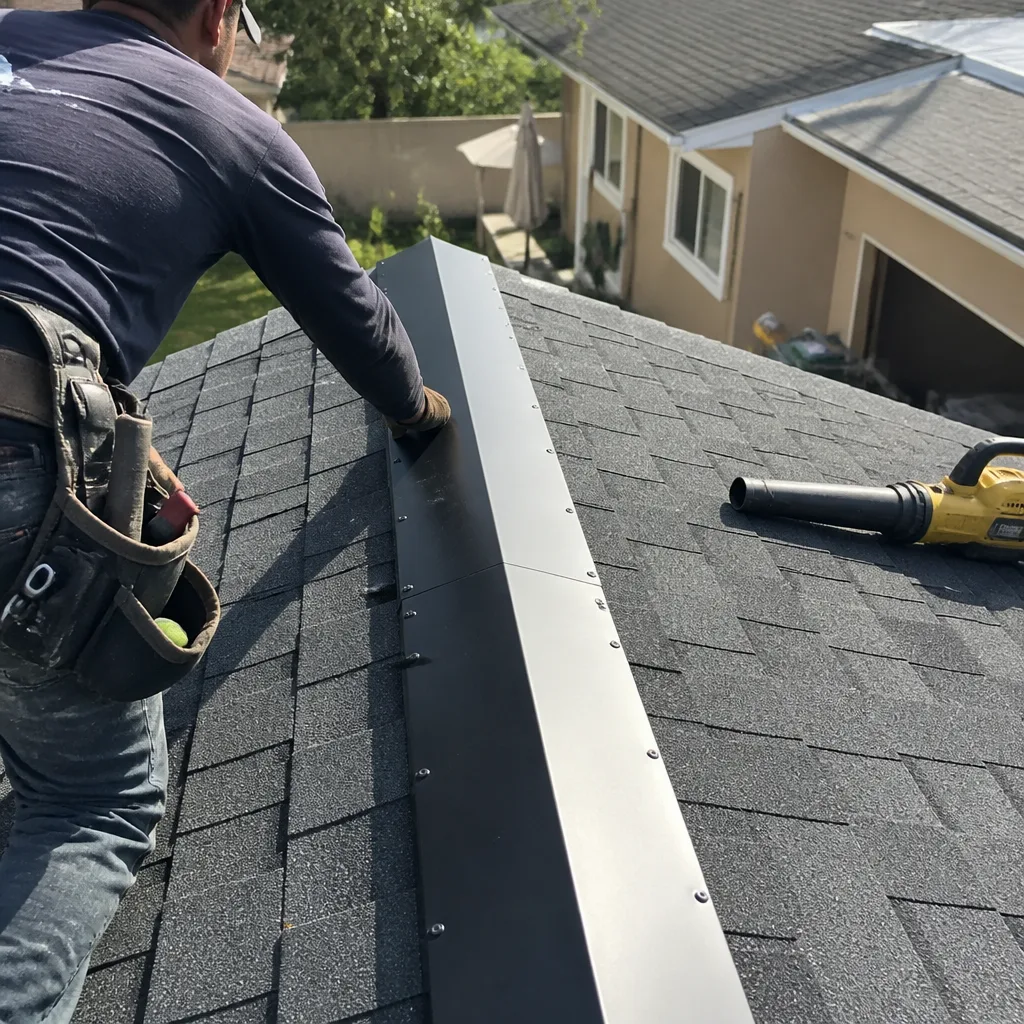 After
AfterDIY vs Professional Roof Repair: What’s Safe to Do Yourself
Roofing is the second most dangerous trade in construction. Not because roofers are careless, but because a 6/12 pitch is deceptively steep and gravity is unforgiving. The question isn’t whether you’re capable of patching a shingle. It’s whether the $200 you save is worth the risk the insurance actuaries have already calculated for you. In Los Angeles, where homes built in the 1960s and 1970s are now hitting their second and third resurfacing cycle, the DIY decision has financial consequences most homeowners don’t see until a claim gets denied or a buyer walks away from escrow. This guide draws that line honestly, task by task.
Quick Answer
Gutter cleaning, attic inspection, and ground-level visual checks are safe for most homeowners to do themselves. Anything involving a ladder against the roofline, removing shingles, touching flashing, or exposing the decking should be handled by a licensed roofing professional. The dividing line is not skill, it’s liability: a fall on your own roof is a hospital bill and lost wages, while an unpermitted DIY repair is a denied insurance claim and a flagged home inspection when you sell.
Table of Contents
- The Real Cost Comparison: DIY vs Professional
- Task-by-Task Safety and Legality Matrix
- The Insurance Clause Most Homeowners Never Read
- Los Angeles Building Code and Permit Requirements
- How to Spot a Repair With Hidden Complexity
- The Paperwork a Professional Repair Creates
- Common Mistakes to Avoid
- When to Call a Professional
- Frequently Asked Questions
The Real Cost Comparison: DIY vs Professional
The DIY estimate most homeowners build in their heads is optimistic in exactly three ways: it excludes tool rental or purchase, it assumes zero material waste, and it assigns a zero dollar value to their own time. Here’s what the numbers actually look like in Los Angeles for a small repair, say three missing shingles and a two-foot piece of damaged fascia.
DIY Cost Breakdown for a Small Repair
- Bundle of matching shingles (if you can find them): $35 to $65
- Fascia board, primed, 8-foot: $18 to $30
- Roofing nails, sealant, utility knife: $25 to $40
- Ladder rental (if you don’t own one that reaches 20 feet): $45 to $80 per day
- Fall protection harness (rental): $35 to $60 per day
- Second trip to the store for the thing you forgot: $20 to $50 in gas and materials
- Total DIY cost: $180 to $325, plus 4 to 8 hours of your time
Professional Cost Breakdown for the Same Repair
- Labor and materials, small repair: $275 to $550 in Los Angeles, depending on roof pitch and accessibility
- Written guarantee on the repair: Included
- Documentation of what was done: Included
- Fall protection and insurance coverage for the workers: Included
- Your time: 15 minutes on the phone
The honest gap is often under $300. What you’re really paying for is the transfer of risk. A professional roofer carries workers’ compensation insurance, liability insurance, and the training to work on a 7/12 pitch without falling. When we hire a technician at Mercer Roofing, that person has been background-checked and identity-verified under the Threshold Verified standard before they ever set foot on a roof. Injured homeowners on a ladder do not have a workers’ comp policy waiting for them.
Los Angeles specifically complicates the DIY math. Many homes in the San Fernando Valley, Westside, and Pasadena areas were built with roof configurations that include multiple levels, dormers, and steep architectural pitches. A split-level home in Sherman Oaks may have a roof edge 25 feet above a concrete driveway. The cost of the repair isn’t the issue. The cost of the slip is.
Task-by-Task Safety and Legality Matrix
The DIY-versus-professional decision isn’t one decision. It’s about twelve smaller decisions, each with its own risk profile. Here’s a breakdown we’ve organized by how a Los Angeles building inspector or insurance adjuster would categorize the work, similar to the framework in our guide on DIY vs Professional Roofing Company: What’s Safe to Do Yourself.
Safe to Do Yourself (No Ladder Above 6 Feet, No Permit, No Insurance Exposure)
- Gutter cleaning from a step ladder: As long as your feet stay below 6 feet and the ladder is on solid, level ground, this is a weekend chore. In Los Angeles, with our wet winters and long dry spells, gutters fill with leaves, palm fronds, and wind-blown dust. Clean them twice a year.
- Attic inspection for water stains or daylight: Go into your attic on a bright afternoon with a flashlight. Look at the underside of the roof decking. Dark stains, streaks, or visible pinpricks of daylight through the decking are early signs of roof wear. You’re not fixing anything, just observing.
- Ground-level visual inspection: Walk the perimeter of your home in Los Angeles and look at your roof from the street or backyard. Missing shingles, curling edges, and obvious sagging are visible from the ground with the right angle. Use binoculars if you have them. Do this after every big storm.
These tasks require no permits, no specialty tools, and no insurance notification. They’re also home maintenance items that Los Angeles roofers wish every homeowner did more often. Early detection catches a $400 flashing repair before it becomes a $12,000 deck replacement.
Not Safe to Do Yourself (Ladder Work, Permit Risk, or Insurance Exposure)
- Shingle replacement: Requires climbing onto the roof surface. Even a 4/12 pitch is steeper than it looks from the ground. The shingle itself may be a $3 piece of material, but the fall risk on a 120-degree Los Angeles roof surface in August is real.
- Flashing repair around chimneys, skylights, or vents: Flashing is the most common source of roof leaks in Los Angeles. It’s also the most common DIY repair we see fail within a year. The failure isn’t from lack of effort, it’s from not knowing how water moves across the roof surface during a heavy rain.
- Decking or underlayment replacement: This is a partial re-roof, not a repair. It requires removing shingles, exposing the decking, and reinstalling the roof system correctly. Los Angeles building code requires a permit for any roof work that exposes decking.
- Skylight installation or replacement: Skylights are a penetration through the roof deck. A bad skylight install in Los Angeles won’t just leak, it will leak through your ceiling and into your living room. The cost to fix a bad DIY skylight install often exceeds the cost of having it done professionally in the first place.
- Anything requiring removal of more than one square (100 square feet) of shingles: At this point, you’re doing roof resurfacing, not repair. That’s a permit-required scope in Los Angeles County, and unpermitted work at this scale is flagged by every competent home inspector.
Here’s the principle: if a task requires a ladder against the roofline or anywhere on the roof surface, it’s no longer DIY territory. The line isn’t about you. It’s about what happens if something goes wrong. A professional roofer’s workers’ compensation insurance covers a fall. Your health insurance covers yours, and in California, out-of-network care and deductibles mean that fall is not cheap.
The Insurance Clause Most Homeowners Never Read
Every homeowner’s insurance policy in California contains language about maintenance and workmanship. The clause most people never read says, in effect, that the insurer is responsible for sudden and accidental damage, not damage that results from poor workmanship or deferred maintenance. A DIY repair gone wrong is not sudden or accidental. It’s an unforced error, and the insurance company is not obligated to pay for it.
Here’s the scenario we’ve seen play out in Los Angeles more times than we like to count. A homeowner patches a small area around a vent pipe. The patch looks good on a Tuesday afternoon. Six months later, a Pacific storm hits with sustained rain, and water finds its way behind the patch. The ceiling in the living room stains. The homeowner files a claim. The insurance adjuster comes out, looks at the roof, finds non-manufacturer-spec materials and an unpermitted repair, and denies the claim on workmanship grounds. The homeowner is now paying for the ceiling repair, the roof repair, and the mold remediation, out of pocket.
Had a professional dropped the same patch, the repair would be covered under workmanship warranty, and the insurer would have a contractor to subrogate against. The professional repair is a documented, liability-transferred repair. The DIY repair is a liability absorbed by the homeowner.
There’s a second clause worth knowing about. Many Los Angeles homeowners have mortgages that require the property to be maintained to lender standards. An unpermitted roof repair that causes visible damage can put the homeowner in technical default on the mortgage covenants. It’s rare that a bank would call a loan over a roof, but it’s another reason the insurance adjuster isn’t the only party paying attention to who did the work.
Los Angeles Building Code and Permit Requirements
Los Angeles has its own building code, technically the Los Angeles City Building Code or Los Angeles County Building Code depending on where the property sits. The rule of thumb: any roof repair that goes beyond replacing a couple of shingles and a piece of flashing generally requires a permit. The specific thresholds vary by municipality, but here’s what holds across most of Los Angeles County.
Unpermitted work on a roof creates a chain of consequences. A buyer’s home inspector flags the unpermitted repair during escrow. The seller discloses it. The buyer’s lender may not lend on a property with unpermitted structural work, even if that work is minor. The buyer renegotiates or walks. In Los Angeles real estate, where homes in neighborhoods like Los Feliz, Silver Lake, and Mar Vista sell for $1.5 million and up, a flagged roof inspection can cost a seller tens of thousands of dollars in price concessions.
Professional roofers in Los Angeles are used to the permit process. They know which municipalities, from Burbank to Torrance, require permit applications for partial reroofs, and they build the permit cost and inspection schedule into the quoted price. For a homeowner who doesn’t know the process, the permit alone can be a two-week detour of submitting plans, waiting for review, and scheduling an inspection. Then there’s the correction notice when the inspector finds the underlayment wasn’t installed to code. Then there’s the re-inspection fee. The DIY savings estimate did not budget for any of that.
If you’re working with a professional roofer like Mercer Roofing, the permit question should come up in the first conversation. A legitimate contractor asks about the scope of work and tells you whether a permit is needed. A contractor who tells you to skip a permit on work that obviously needs one is going to be a problem later. At Mercer Roofing, a written price comes before any work starts, every time. That written price includes the permit when Los Angeles code requires it. No surprises on the invoice.
How to Spot a Repair With Hidden Complexity
Some of the most expensive roof repairs in Los Angeles started as what the homeowner thought was a simple caulk job. Here’s how to recognize when a repair that looks simple on the surface is actually a professional job in disguise.
Signs a “Simple” Repair Is Not Simple
- Water stains on the ceiling that don’t align with obvious roof damage: Water travels sideways across the decking and along rafters before it drips. A stain on the living room ceiling can originate from a damaged roof valley 15 feet away. DIY repairs in the wrong location don’t fix the leak.
- Damage around a chimney, skylight, or plumbing vent: Penetrations through the roof are the highest-risk points. The flashing system around a chimney may involve step flashing, counter-flashing, cricket flashing, and sealant. Miss one component and the leak returns in the next storm.
- Shingles missing on a roof that’s older than 15 years in Los Angeles: A 20-year-old asphalt shingle roof in our climate is at the end of its service life. The LA sun degrades shingles faster than almost any other climate in the country. Patching a few shingles on an old roof is treating the symptom, not the cause. The decking and underlayment may be compromised underneath.
- Any sagging in the roof plane: This is not a repair. This is a structural problem. Sagging indicates damaged rafters or decking, and no amount of shingle work fixes that.
- Granules accumulating in gutters after a storm: Shingles shed their granules as they age. If you see granules, the shingles are degrading. The extent of that degradation is only visible from on the roof, with a professional eye.
We’ve seen the hidden complexity case in Los Angeles more often in older neighborhoods: Echo Park bungalows built in the 1920s, Mid-City homes from the 1930s and 1940s, and Valley tract housing from the 1950s and 1960s. These homes were built before modern underlayment standards. A simple shingle patch on a 1948 roof may be covering decking that is crumbling, and the repair fails within a year because the substrate underneath is rotten. On a home in Silver Lake with original skip sheathing, a shingle replacement without addressing the sheathing is a waste of time and money. Professional roofers in Los Angeles know which era of home construction correlates with which kind of hidden decking condition.
The Paperwork a Professional Repair Creates
When you sell a home in Los Angeles, a transaction that involves a buyer, a seller, a listing agent, a buyer’s agent, an escrow company, and often a lender, the paper trail matters. Here’s what a professional repair creates that a DIY repair does not.
- An itemized scope of work: This is what was repaired, what materials were used, and what the repair cost. A buyer’s home inspector reads this document and sees a professional trail, not an unexplained patch.
- A permit record where local code requires one: A permitted repair is on file with the city or county. A buyer’s inspector checks for open and closed permits. A permit on file is a signal that the work was inspected and passed.
- A workmanship warranty in writing: With Mercer Roofing, every repair includes a written guarantee, and the 365-Day Done Right Promise means if the work isn’t right within a year, we make it right, with a free second visit if the repair fails. That’s a transferable value-add when you sell.
- A licensed contractor’s name and license on the paperwork: When a buyer’s agent asks “who did the roof work,” a contractor’s license number is a verifiable answer. “I did it myself” is not.
In Los Angeles real estate specifically, where many homes are sold with multiple competing offers and tight inspection timelines, having this documentation in a folder can keep a deal moving. It tells the buyer that the roof was maintained professionally. The absence of it tells the buyer that unknown work was done, by an unknown person, at an unknown level of quality, and the buyer’s offer reflects that uncertainty.
Grant Whitlock, who leads Mercer Roofing, has seen this from both sides as a roofing professional and as a homeowner. The documentation isn’t bureaucracy. It’s the proof that protects your equity.
Common Mistakes to Avoid
- Underestimating the fall risk: Most serious DIY roofing injuries happen on one-story homes where the homeowner feels safe. A fall from 12 feet onto a concrete Los Angeles driveway can be fatal. The height feels manageable until you’re on the ladder and reach too far.
- Using the wrong sealant: Exterior silicone, interior caulk, and roofing sealant are different materials for different applications. Using interior caulk on roof flashing is one of the most common DIY failures we see. In Los Angeles heat, the wrong product breaks down in a single season.
- Not matching shingle type: GAF, CertainTeed, Tamko, and Atlas shingles are not interchangeable. Each manufacturer designs their shingles to specific dimensions and installation patterns. A mismatched patch on a prominent roof slope is both a leak risk and an eyesore visible from the street.
- Skipping the permit on work that clearly needs one: Los Angeles inspectors are familiar with roof repair patterns. They can tell the difference between a sealed crack and a partial reroof. The fine for unpermitted work is often more than the permit would have cost.
- Assuming insurance will cover a failed DIY repair: It usually won’t. Workmanship exclusions are standard in California homeowners’ policies. What you saved in contractor fees you’ll spend on the denied claim.
- Working on a roof in Los Angeles in summer without proper hydration and timing: Roof surfaces in July can exceed 150 degrees. Heat exhaustion sets in quickly, and your judgment degrades before you notice the symptoms. Professional crews in Los Angeles start early in the summer for a reason.
- Fixing the symptom without finding the source: Water travels. The leak in the kitchen and the gap in the roof may be 20 feet apart. Without a systematic inspection, the DIY patch is a guess, and guesses on roofs are expensive.
When to Call a Professional
Call a professional whenever the repair involves being on the roof itself, whenever the work would require a permit in Los Angeles, whenever you see water damage inside the home, whenever the roof is older than 15 years, and whenever you find yourself standing in the hardware aisle trying to match a shingle color by memory. The repair needs to be done correctly the first time because a failed repair costs more than the original problem. Mercer Roofing offers our Roof Repair services with free estimates in Los Angeles, with a written price before any work starts, every time. Call (743) 200-8347 to schedule yours.
Frequently Asked Questions
No. Any repair that requires climbing onto the roof surface is not safe for an untrained homeowner. Falls from roofs are a leading cause of fatal construction injuries, and a fall from even a single-story LA home can be life-altering. Gutter cleaning and ground-level visual inspection are safe DIY tasks, but anything on the roof itself should be left to a professional with fall protection training and insurance.
A small professional roof repair in Los Angeles typically costs $275 to $550, depending on access, roof pitch, and materials. A comparable DIY repair might cost $180 to $325 in materials and tool rental, but that doesn’t include the risk transfer, the warranty, or the documentation. For an exact quote on your specific repair, call (743) 200-8347 for a free estimate from Mercer Roofing.
In most Los Angeles municipalities, minor repairs like replacing a few shingles or sealing flashing do not require a permit, but any repair that exposes the roof decking or involves resurfacing more than a small area does. A professional roofing contractor can tell you whether your specific repair triggers the permit threshold in your city, from Los Angeles to Long Beach to Pasadena.
Probably not. Most California homeowners’ insurance policies exclude damage caused by faulty workmanship. If a DIY repair fails and causes water damage, the insurance company may deny the claim because the damage wasn’t sudden or accidental. A professional repair with a workmanship warranty protects you from this scenario.
An unpermitted roof repair is likely to be flagged by a buyer’s home inspector during escrow. The buyer may demand a retroactive permit, a price reduction, or a repair by a licensed contractor. In Los Angeles real estate, where homes sell at significant price points, a flagged roof inspection can cost a seller far more than the permit and professional repair would have cost originally.
Look for water stains that don’t align with visible roof damage, damage around chimneys or skylights, shingle granule loss, a roof over 15 years old, or any sagging in the roof plane. These are all signs that the underlying problem is bigger than the visible one. When in doubt, get a free professional inspection. The estimate itself is free, and it tells you whether the job is a $400 fix or a $12,000 latent defect.
The Bottom Line
The DIY-versus-professional roof repair decision is a liability calculation more than a skill calculation. Tasks you can do safely from the ground or a step ladder, like gutter cleaning and attic inspection, are yours to handle. Tasks that involve being on the roof, exposing decking, or requiring a Los Angeles building permit belong with a licensed professional. The money you save on a DIY roof repair is real but small. The risk you absorb is large: a fall, a denied insurance claim, and a flagged home inspection when you sell. A professional roofer like Mercer Roofing transfers that risk and documents the work. For Los Angeles homeowners, that transfer is worth the cost. Call (743) 200-8347 for a free estimate on any roof concern, large or small, and explore more guides & resources for Los Angeles homeowners.
Written by Grant Whitlock, Owner at Mercer Roofing, serving Los Angeles since 2000.