
Last updated October 9, 2026
Free roof inspection with deck photos before we talk money - GAF and Owens Corning certified installation
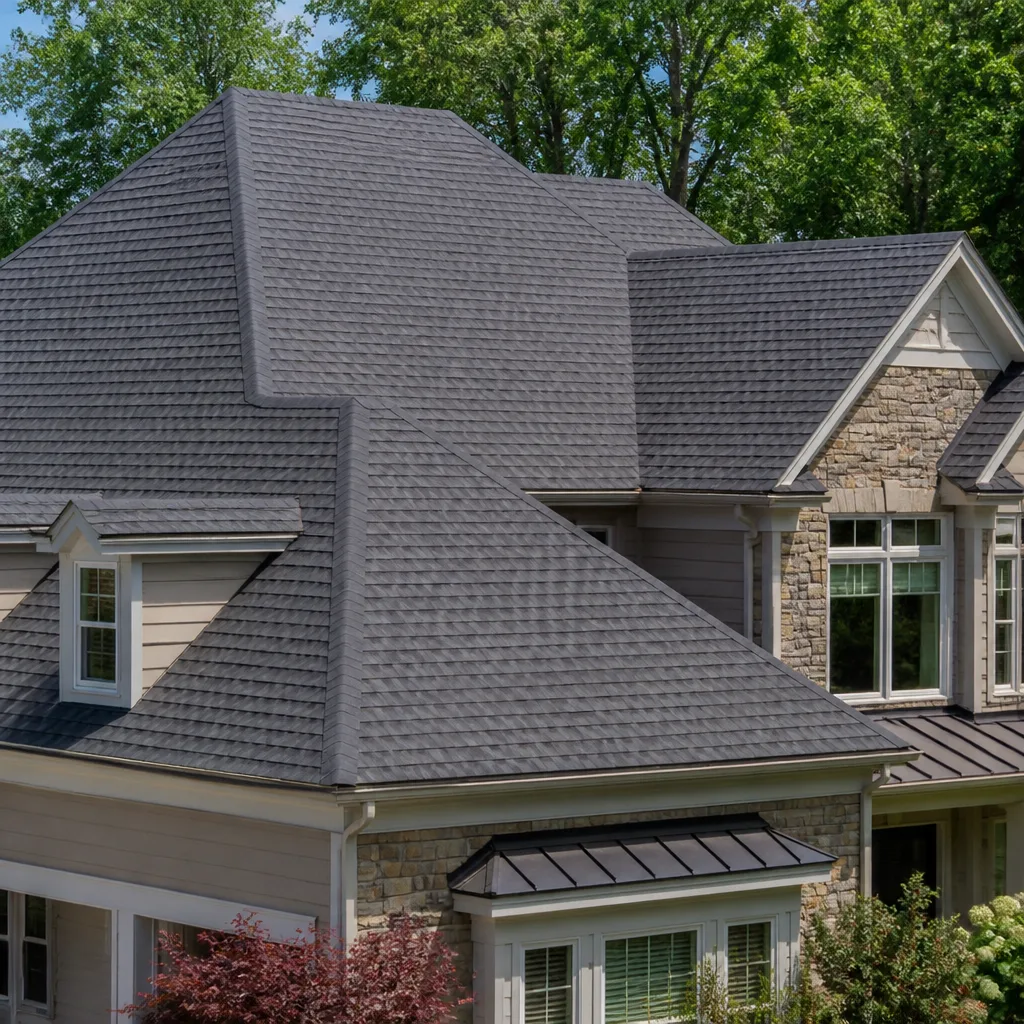
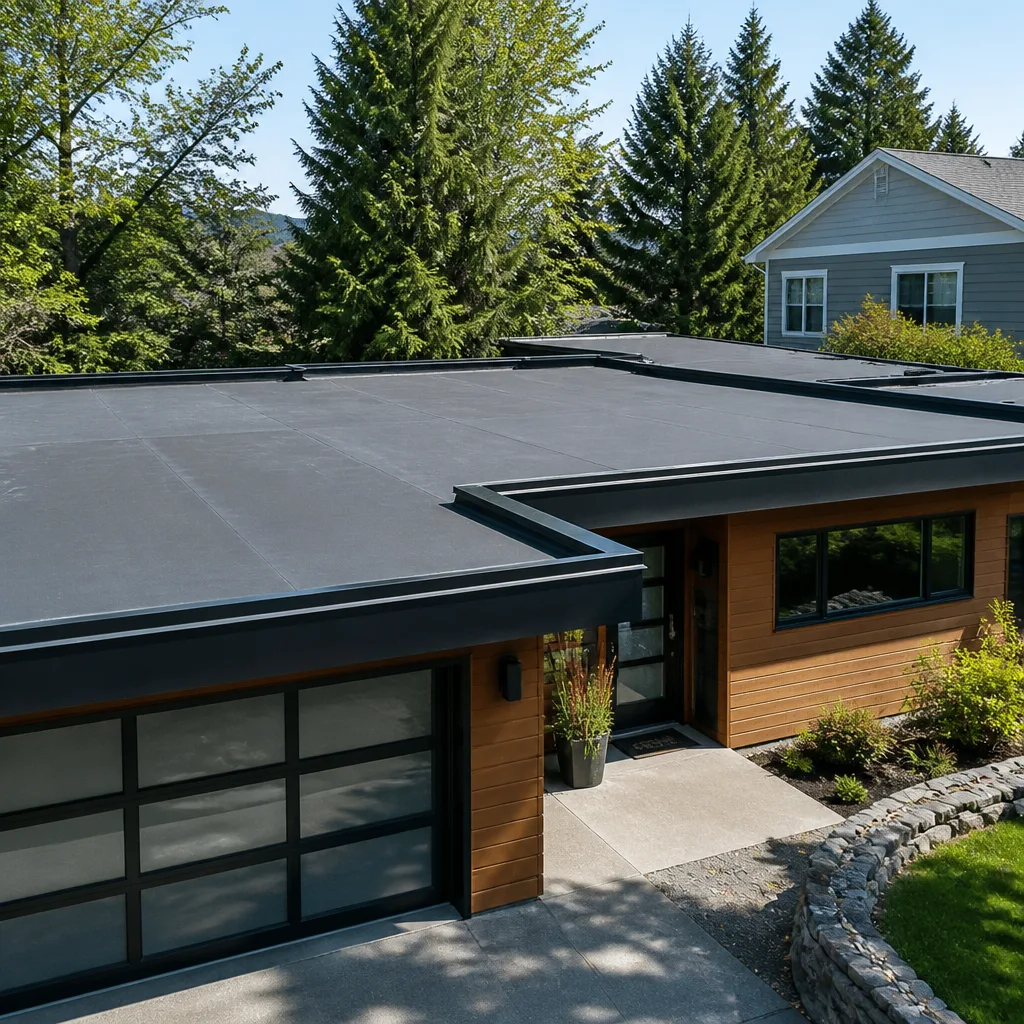
 Before
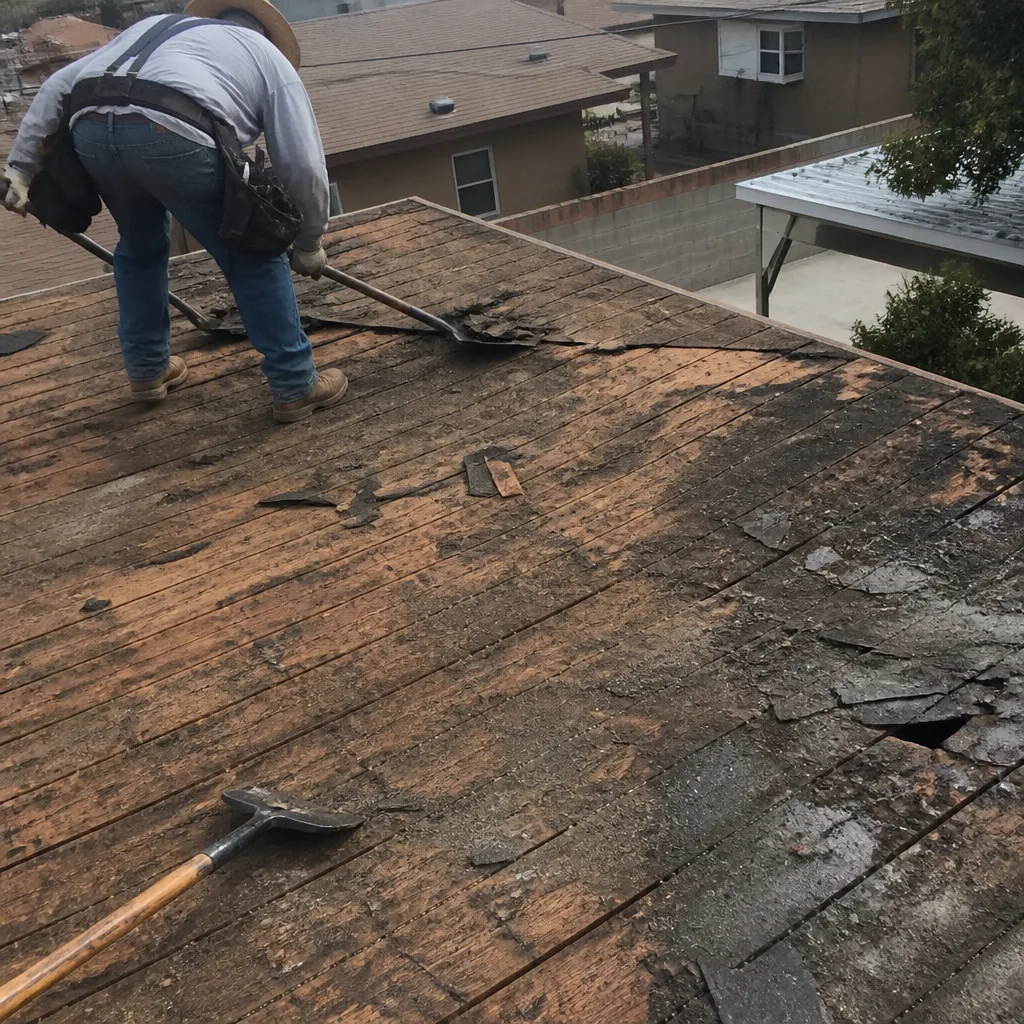
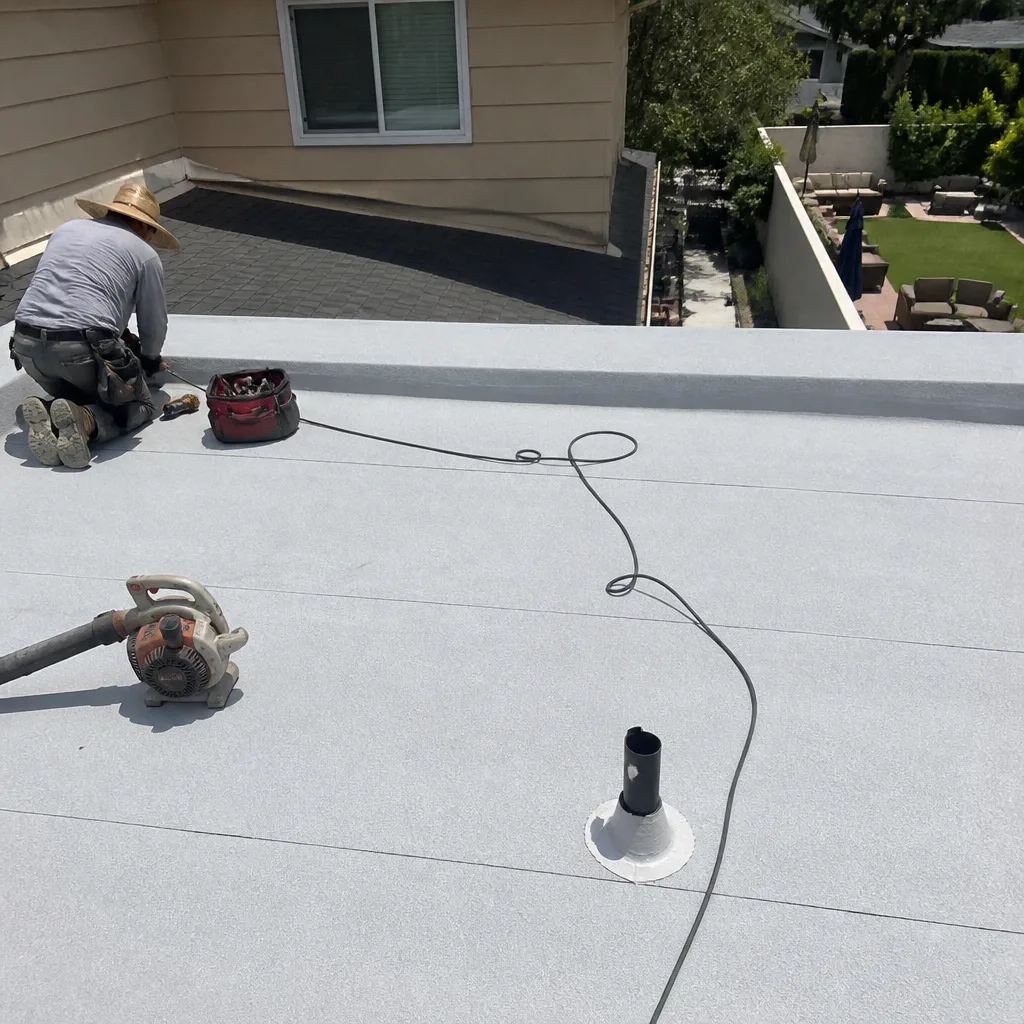 After
After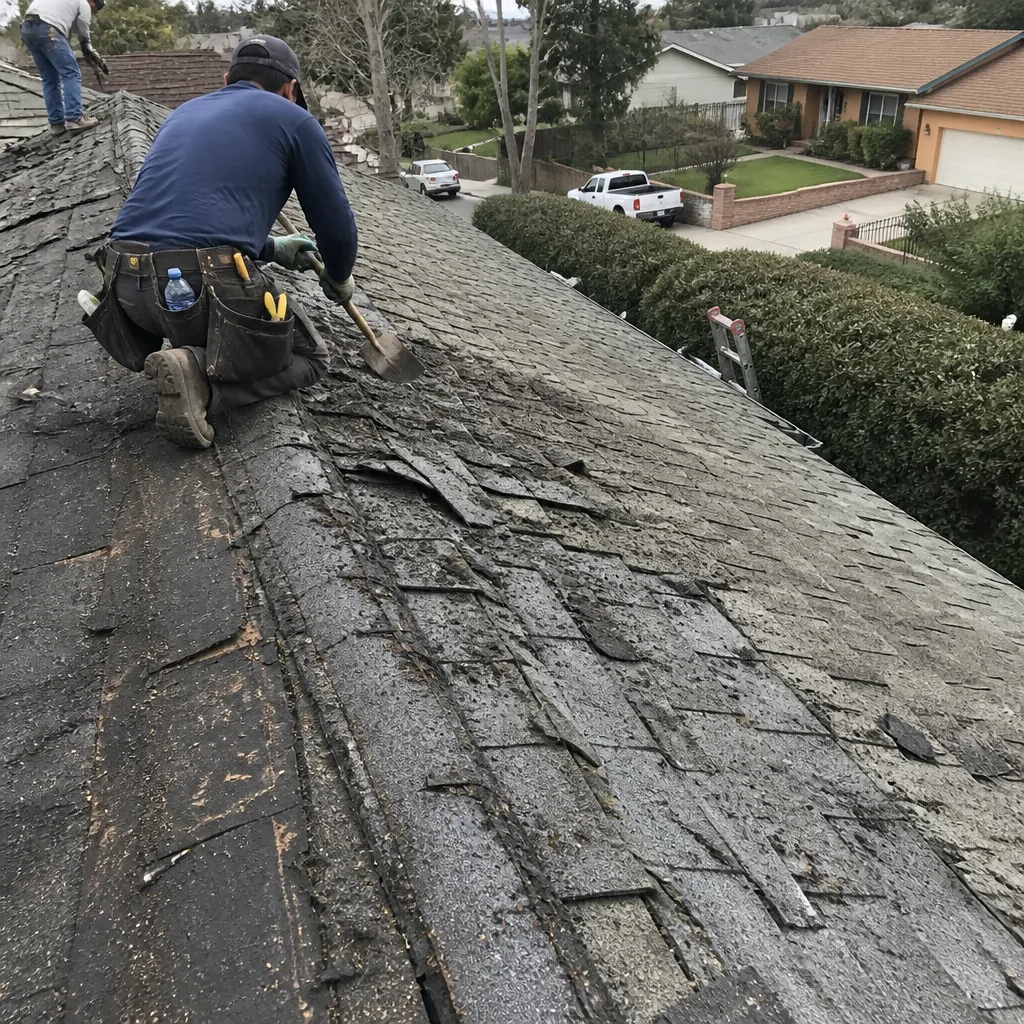 Before
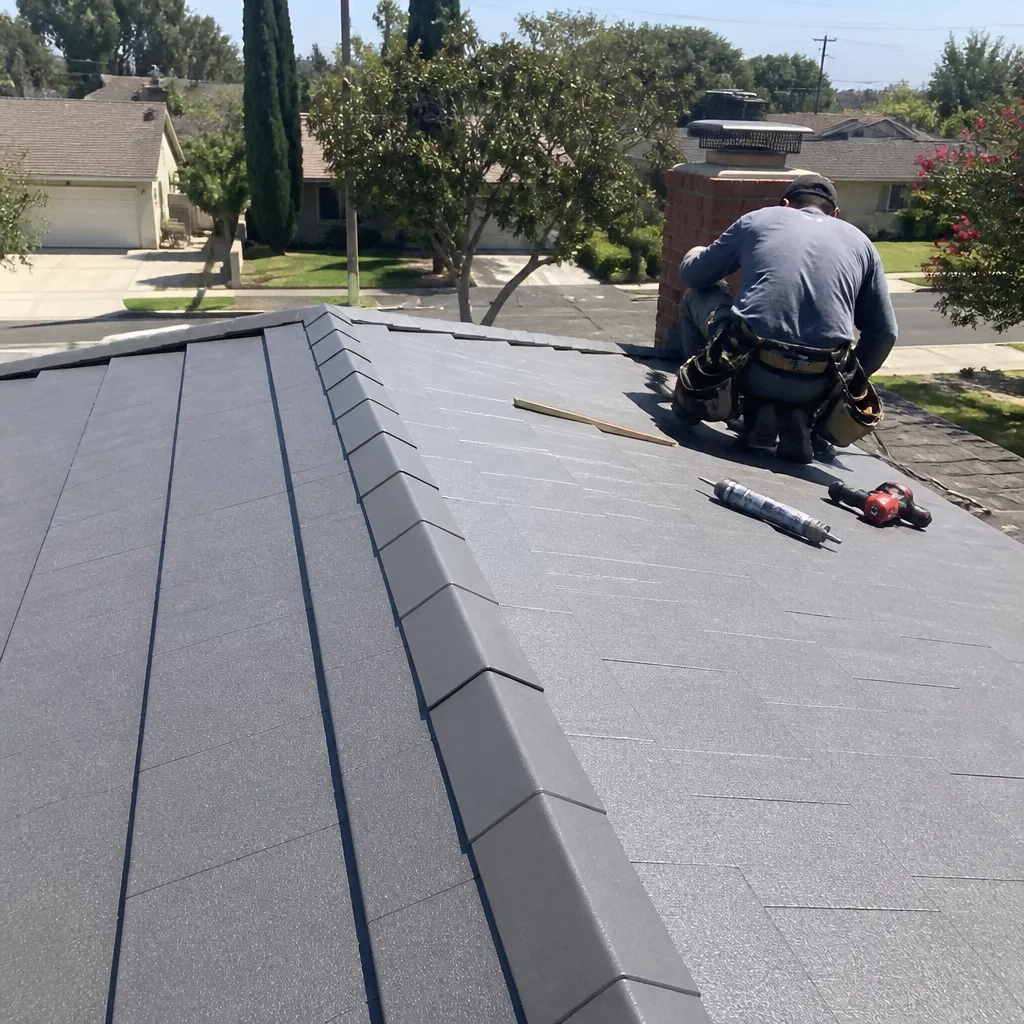 After
After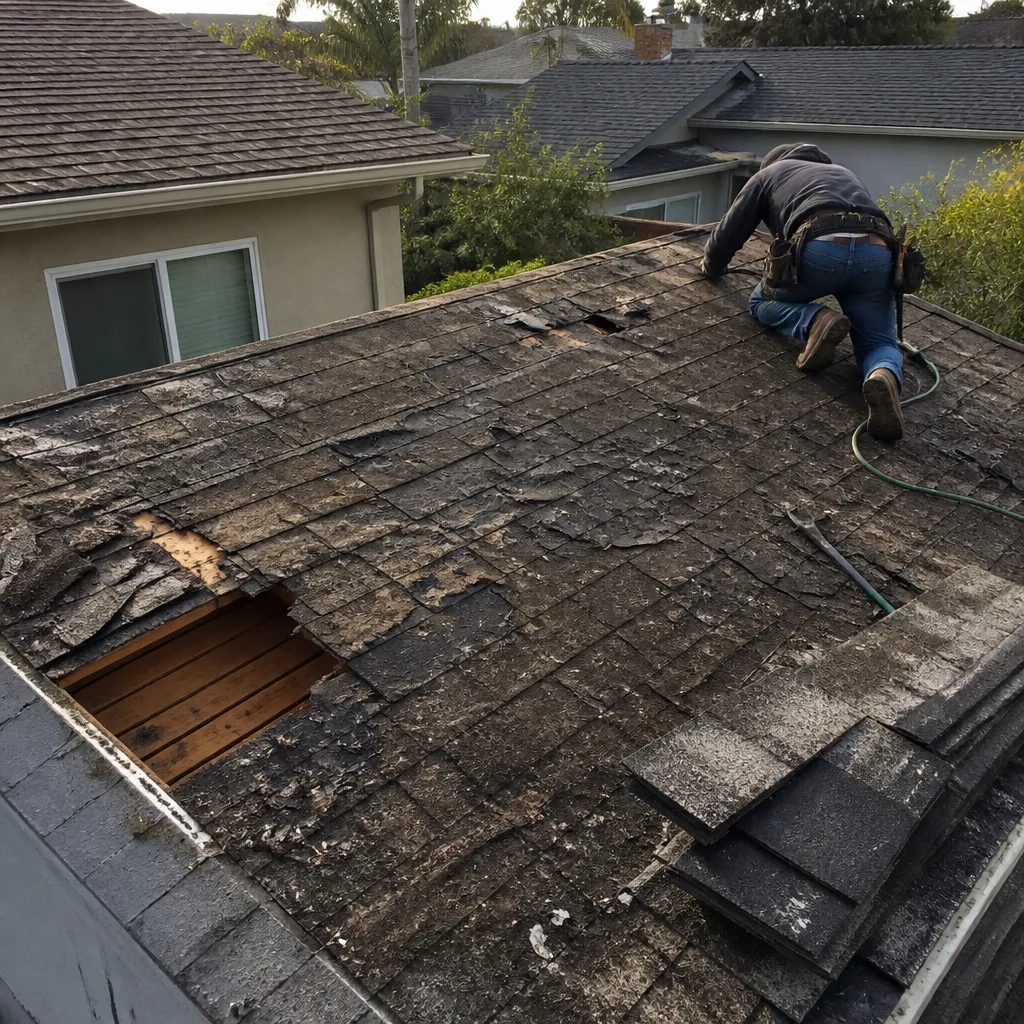 Before
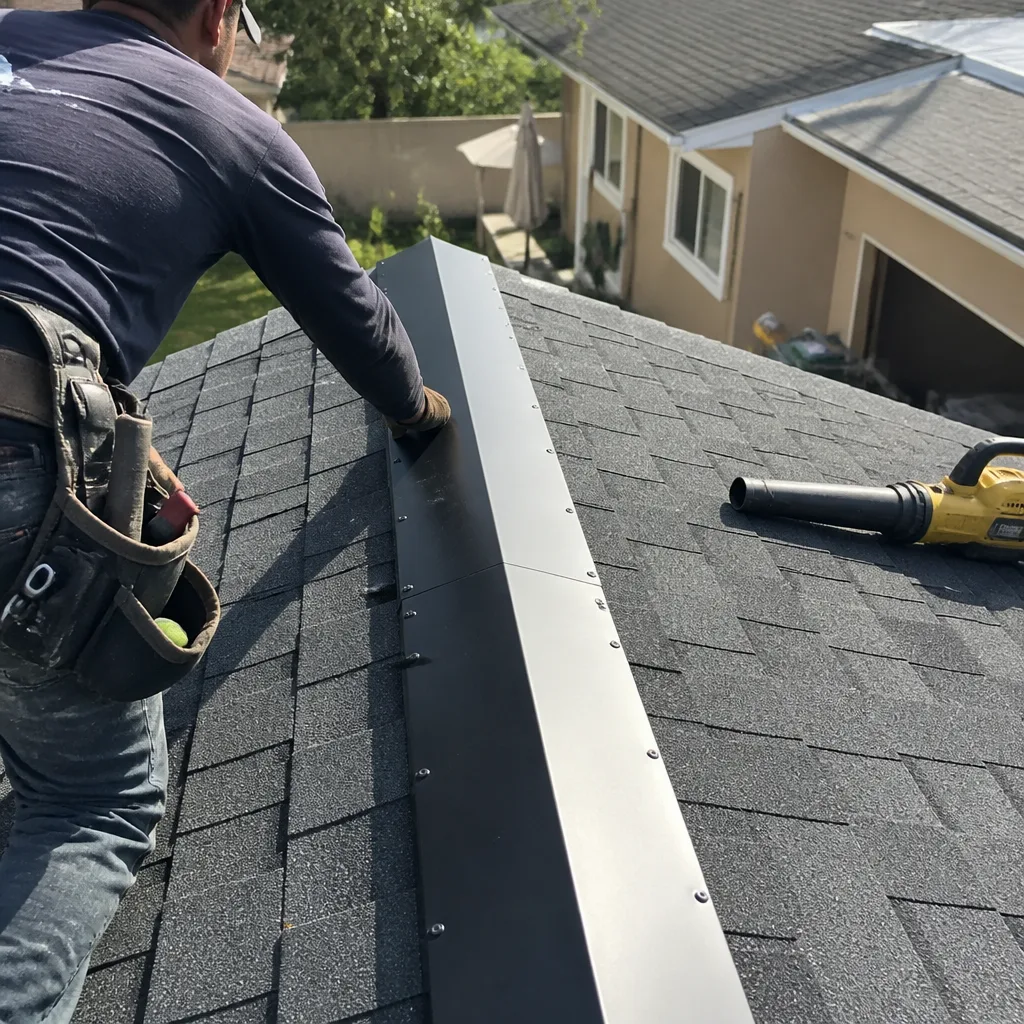 After
AfterThe Complete Roof Installation Guide for Los Angeles Homeowners
Los Angeles has a secret most roofing guides never mention: roughly 30% of its residential neighborhoods sit inside Fire Hazard Severity Zones. That means a shingle that’s perfectly legal on a flat lot in Culver City may not meet code on a hillside in Altadena or a canyon off Mulholland Drive. Out-of-state guides miss this entirely, along with California’s Title 24 cool roof rules and the seismic weight calculations that shape real roof decisions here. This guide covers our Roof Installation services the way they actually work in Los Angeles: codes, permits, material costs, and the steps that protect both your house and your wallet. By the time you finish, you’ll know more than most bidders who show up at your door.
Quick Answer
The Complete Roofing Company Guide for Los Angeles Homeowners breaks down how roof installation in Los Angeles costs between $14,000 and $52,000 depending on material, roof size, and slope. The process takes 3 to 10 days for most homes, and it requires an LADBS permit plus compliance with two sets of California-specific rules: Fire Hazard Severity Zone ratings and Title 24 cool roof standards. Homeowners in hillside neighborhoods must also account for seismic weight limits, which affect whether tile or asphalt is the better choice. Budget for the roof itself first, then layer in structural upgrades, underlayment, and disposal costs.
Table of Contents
- Why Los Angeles Roofing Rules Differ from Everywhere Else
- Los Angeles Fire Hazard Severity Zones and Class A Requirements
- Title 24 Cool Roof Compliance: What It Is and Why It Changes Your Shingle Choice
- Seismic Weight and Why Roof Material Affects Earthquake Safety
- LADBS Permits: The Step-by-Step Process
- Real Installed Cost Ranges for Los Angeles, 2025
- Material Selection Guide for LA’s Microclimates
- What Happens on Installation Day
Why Los Angeles Roofing Rules Differ from Everywhere Else
Most roofing guides assume a roof is a roof. That assumption fails fast in Los Angeles, where three local forces stack on top of each other. First, wildfire risk shapes code in a way Dallas and Miami simply never deal with. Second, California’s Title 24 energy code controls reflectivity choices, which means the color and material you choose affects your cooling bill for decades. Third, the same ground that makes Los Angeles real estate move also shakes it: seismic loads restrict heavy roofs in ways flatland homeowners never consider.
We’ve watched families in Sherman Oaks replace a tile roof with architectural asphalt simply to shed weight before a structural retrofit. We’ve seen Tarzana homes where the original 1960s shake roof no longer meets modern Class A fire standards and must come off by code. These are Los Angeles decisions, not generic roofing decisions. The city’s building department enforces all three constraints, and an installer who doesn’t know them will cost you money on the back end either in rework or resale trouble.
What this means practically: before choosing a material, check which Fire Hazard Severity Zone your property sits in, confirm your roof’s Title 24 reflectivity requirement, and understand the weight difference between tile and asphalt on a seismic retrofit. The sections that follow walk through each one in plain language.
Three Rules Every LA Roof Must Satisfy
- Fire: Class A roofing assembly required in Fire Hazard Severity Zones, which cover roughly 30% of LA residential land.
- Energy: Title 24 cool roof standards require aged solar reflectance of 0.20 or higher and thermal emittance of 0.75 or higher for most steep-slope residential roofs.
- Seismic: Roof weight feeds directly into the lateral load your shear walls and foundation must resist during an earthquake.
None of this appears in a national Home Depot guide. It all appears in your local inspection results.
Los Angeles Fire Hazard Severity Zones and Class A Requirements
Los Angeles County maps residential areas into Fire Hazard Severity Zones: Moderate, High, and Very High. The California Department of Forestry and Fire Protection (CAL FIRE) updates these maps after each wildfire cycle, and the 2025 revisions pulled more foothill and canyon neighborhoods into higher categories than previous maps. If your home sits above Sunset Boulevard near the hills, or anywhere in the Santa Monica Mountains, the odds are strong you’re in a High or Very High zone.
Class A roof assemblies are the code minimum in these zones. A Class A rating means the roofing system, including underlayment and covering, resists severe fire exposure without igniting from flying embers or surface flame spread. Asphalt shingles from GAF and Owens Corning carry Class A ratings in standard installs. Tile roofs from Boral or clay manufacturers carry Class A ratings by default. Wood shake and wood shingle roofs, except those treated with expensive fire-retardant coatings that degrade over time, generally do not. If your Los Angeles home has an older shake roof in a High zone, you’re likely required to replace it with a Class A assembly at the next reroof.
What many homeowners miss: the fire rule applies to the entire roof assembly, not just the shingle. An old wood deck beneath a Class A shingle may not pass. Underlayment matters too, especially in ember-driven fires where fires start from below. In hillside and canyon neighborhoods like Bel Air, Encino, and parts of Eagle Rock, we regularly specify mineral-surfaced cap sheet underlayment beneath shingles, because it blocks ember penetration far better than standard felt. That upgrade costs roughly $0.80 to $1.20 per square foot installed, and for a 2,000-square-foot roof it adds about $1,600 to $2,400 to the total.
Check Your Zone Before You Choose a Material
- Visit CAL FIRE’s Fire Hazard Severity Zone map and enter your address.
- Look up the City of Los Angeles zone overlay on the LADBS property search page.
- If your zone is High or Very High, write down “Class A required” and bring it to every bidder conversation.
- Ask each contractor which Class A assembly they will build, not just which shingle they will nail.
This is the single most common code miss in Los Angeles reroofs. The fix is expensive after inspection: remove the new roof, add the right underlayment, reinstall everything, pass reinspection.
Title 24 Cool Roof Compliance: What It Is and Why It Changes Your Shingle Choice
California’s Title 24 building energy code, Part 6, requires most residential homes in Los Angeles climate zones to install a “cool roof.” The rule applies when you reroof more than 50% of the roof surface or install a new roof entirely. A cool roof meets specific reflectivity and emittance values: aged solar reflectance of at least 0.20 and thermal emittance of at least 0.75 for steep-slope residential roofing. That threshold is much lower than the old Energy Star label and broadens your material options considerably.
What this means in practice: lighter-colored asphalt shingles usually pass. Dark asphalt shingles sometimes pass depending on the specific product’s CRRC-listed values. Tile roofs in lighter colors like white, beige, or cream typically pass easily, while dark brown or terracotta variants need a product-specific check. Standing seam metal in light colors passes without issue. The point is that in Los Angeles, you choose shingle color with a code requirement in the room, not just an aesthetic preference.
Energy savings follow the same logic. A cool roof reflects more solar radiation, which lowers attic temperatures by 15 to 30 degrees on a 90-degree Los Angeles afternoon. That reduces air conditioning demand, and for a 1,800-square-foot home in the San Fernando Valley, a cool roof can cut summer energy bills by 10% to 15%. Over the 30-year life of an asphalt shingle, in Los Angeles electric rates, that’s real money.
How to Check a Product’s CRRC Rating
- Go to the Cool Roof Rating Council (CRRC) product directory.
- Search by manufacturer. If you’re considering CertainTeed Landmark shingles, type the exact product name.
- Look for aged solar reflectance and thermal emittance numbers, not just initial values. Title 24 uses aged values.
- Confirm both numbers meet the 0.20 / 0.75 minimums.
- Print the CRRC listing and keep it with your permit paperwork. LADBS inspectors ask for it.
We include a CRRC compliance sheet with every Los Angeles roof installation quote where the property falls under Title 24, and you can find more guides & resources on our blog. It removes the guesswork from the inspection.
Seismic Weight and Why Roof Material Affects Earthquake Safety
Roof weight is a structural load, not just a preference. In earthquake country, that load matters twice: once downward to the foundation and once laterally to the shear walls during shaking. A concrete or clay tile roof weighs between 600 and 1,100 pounds per square, where a square is 100 square feet. An architectural asphalt shingle roof weighs 225 to 425 pounds per square. That means a 2,000-square-foot tile roof adds 12,000 to 22,000 pounds to a house, versus 4,500 to 8,500 for asphalt.
In older Los Angeles homes, particularly those built before the 1994 Northridge earthquake retrofit requirements, the structure may not have enough lateral capacity for a heavy tile roof. Adding tile to an unreinforced 1950s home in the Valley without a structural check can create a top-heavy mass that the walls struggle to move with during a temblor. The result is not just roof damage; it’s cracked shear walls and foundation stress.
If you want tile and your home predates 1994, we recommend a structural engineer evaluate the load path before you commit. The engineer’s report costs $600 to $1,400 in Los Angeles and tells you whether you need plywood shear wall upgrades, foundation bolting, or both. If asphalt is the preferred choice, the lighter weight often eliminates the need for structural work entirely, which is why many LA homeowners switch from tile to architectural asphalt during a reroof.
When Weight Dictates Material Choice
- Pre-1960 homes with original framing: Asphalt usually wins. Weight savings reduce seismic demand on unretrofitted walls.
- Post-1994 homes with engineered shear walls: Tile is feasible if the original plans list it as a load assumption.
- Hillside homes on stilt or pier foundations: Tile weight amplifies lateral movement. Asphalt or lightweight metal tends to be the safer recommendation.
- Homes built into slopes with retaining walls: The soil-structure interaction makes tile weight a structural question, not a roofing question.
None of this is theoretical. We’ve stood in crawl spaces under 1962 ranch homes in Van Nuys while an engineer tapped floor joists and told us exactly what the roof above them could hold.
LADBS Permits: The Step-by-Step Process
Every full roof installation in the City of Los Angeles requires a permit from the Los Angeles Department of Building and Safety (LADBS). No exceptions for a full replacement. The process divides into two paths depending on your roof’s condition and your scope of work.
Simple reroofs, where the existing roof covering comes off and a new covering goes on with no structural repairs, typically process through the LADBS Express Permit system and issue over the counter or online within a day. Complex projects, where the sheathing or framing needs repair, the structure above the rafter is altered, or you’re adding a heavier roofing material over an existing layer, trigger a plan check and can take two to six weeks in Los Angeles.
The Step-by-Step LADBS Permit Path
- Determine your roof’s condition: If decking or rafters show water damage, rot, or termite damage, you’re likely headed to a plan check. A contractor or inspector can make this call in advance.
- Gather documents: The parcel number (APN), the legal property address, the roofing material and manufacturer, and the CRRC cool roof listing if Title 24 applies.
- File the permit: Over-the-counter at any LADBS office for simple reroofs, or online through the LADBS e-Permit portal. The filing fee for a reroof runs between $350 and $700 depending on project valuation.
- Schedule the inspection stages: LADBS inspects after tear-off (to see the deck), after underlayment (to check the moisture barrier and any fire requirements), and after final installation (to verify nail patterns, flashing, and the final grading).
- Pass final inspection: The inspector signs off. You keep the sign-off record with your home’s building file. Lenders and buyers ask for it during home sales.
Some Los Angeles homeowners think roofers can skip permits. They can’t, legally, and any contractor who offers to work without one is putting you at risk of a stop-work order, a fine, and an unpermitted roof that complicates insurance and resale. Mercer Roofing pulls permits on every full installation we do in Los Angeles.
Real Installed Cost Ranges for Los Angeles, 2025
National roofing cost averages do not tell a Los Angeles homeowner anything useful. Our labor rates, disposal fees, and material markups differ from Ohio and Georgia. Below are the real ranges we quote from for full Los Angeles roof installations in 2025, based on a 2,000-square-foot single-story home with a 6/12 pitch and a single layer tear-off included.
| Material | Installed Cost Range (2,000 sq ft) | Notes for Los Angeles |
|---|---|---|
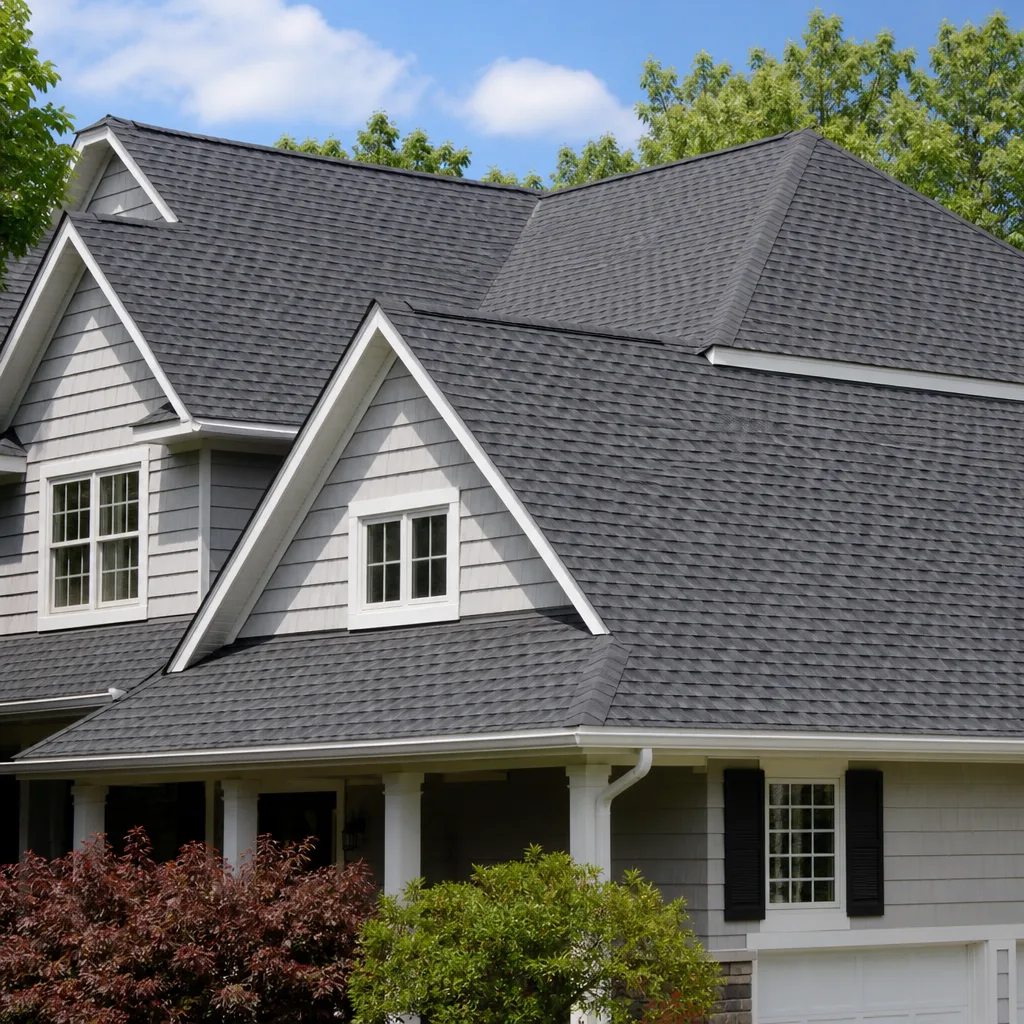
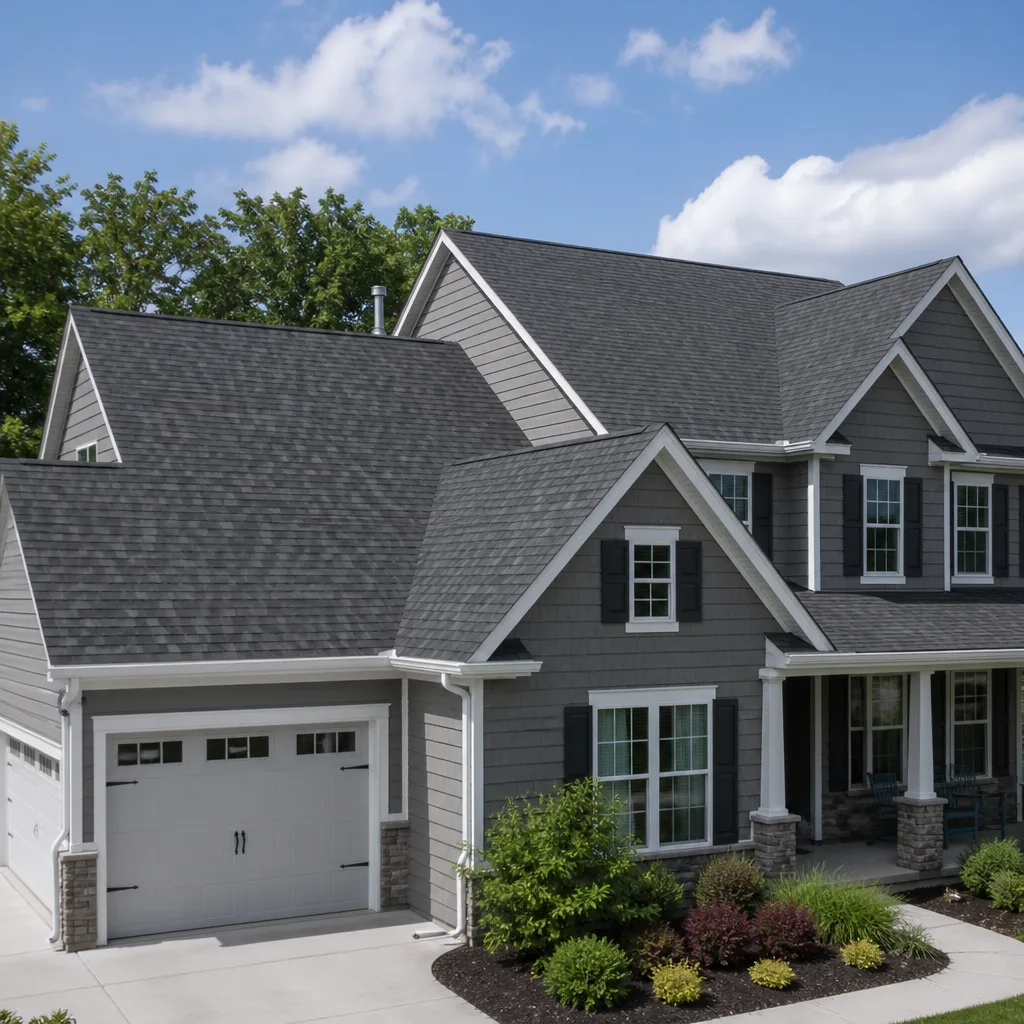
| Architectural asphalt shingle | $14,000 – $22,000 | GAF, CertainTeed, Owens Corning, or Atlas. Light colors pass Title 24. Most common LA choice. |
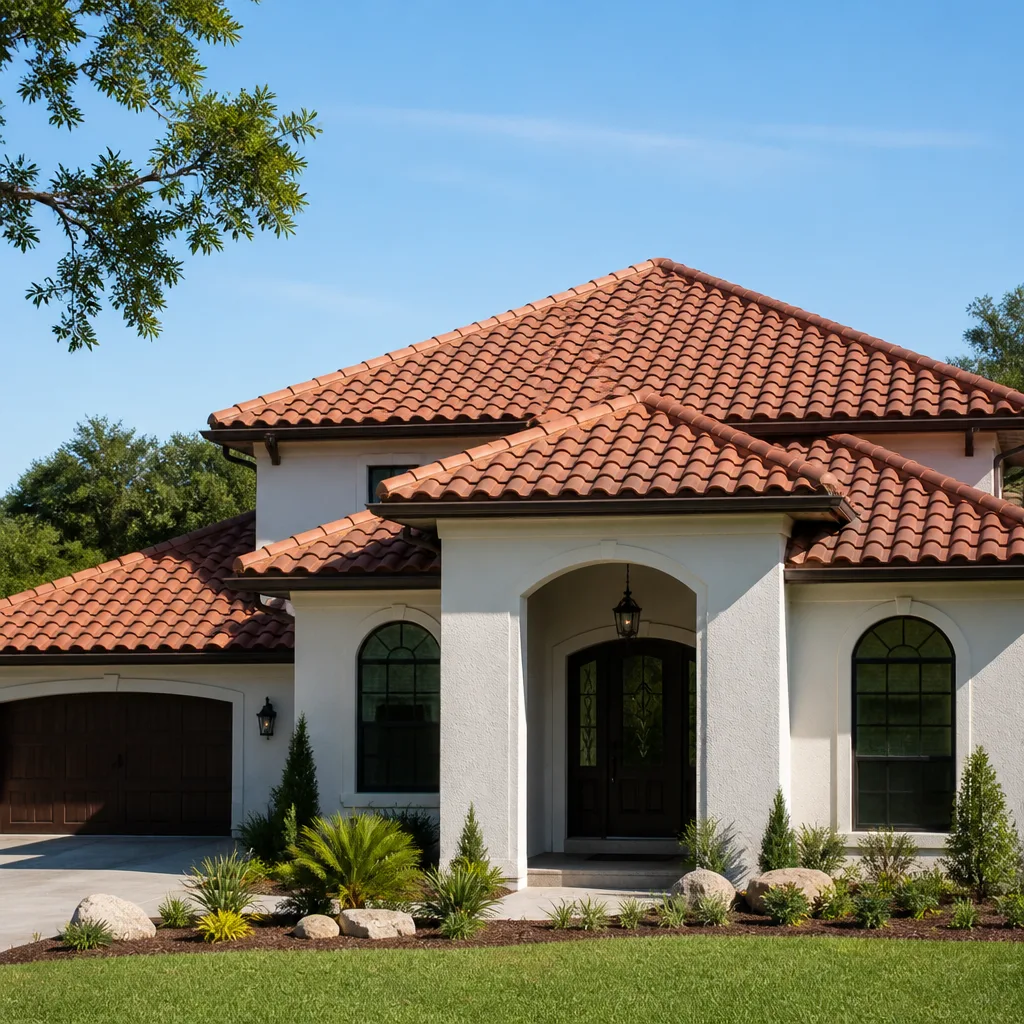
| Concrete or clay tile (lightweight) | $32,000 – $52,000 | Boral or local clay. Weight requires structural review on older LA homes. Class A by default. |
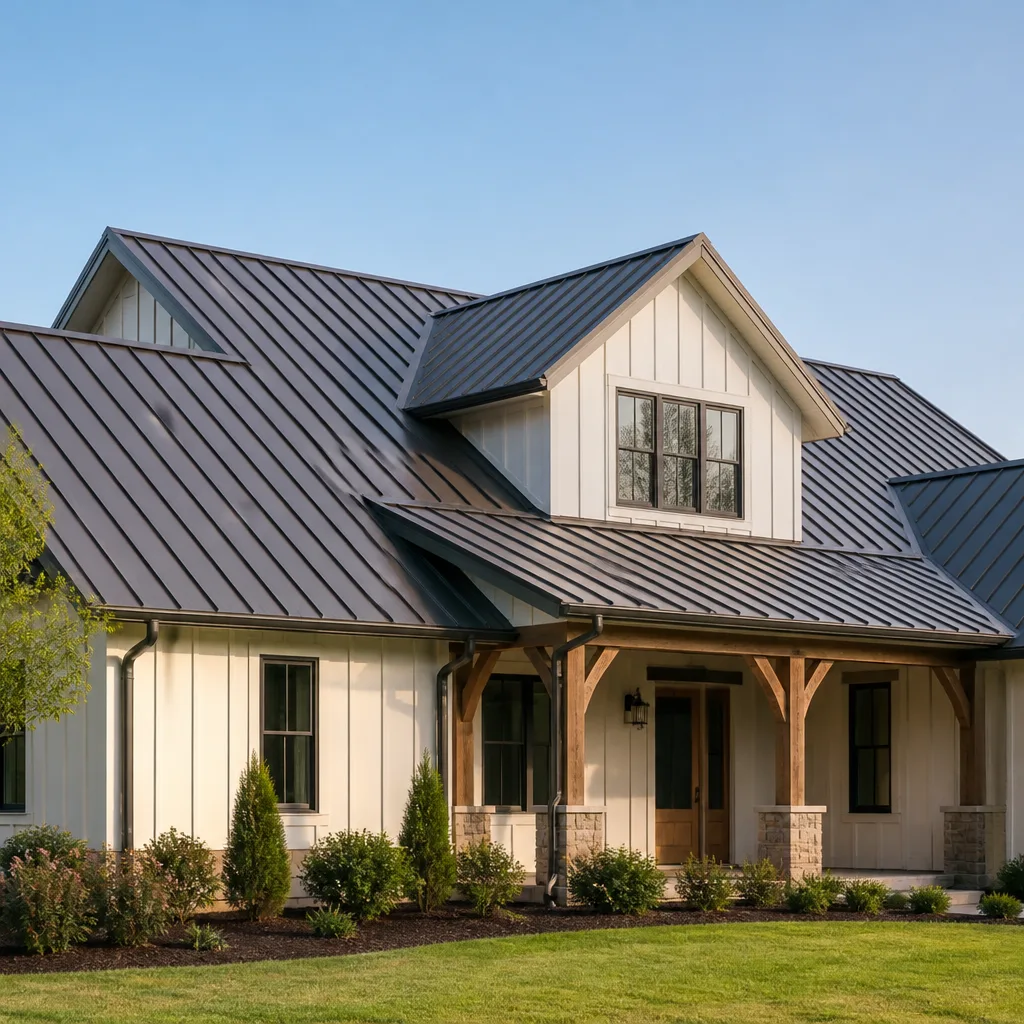
| Standing seam metal | $28,000 – $40,000 | Light colors pass Title 24. Low weight reduces seismic load. Longest material lifespan. |
| TPO flat roof membrane (low-slope) | $12,000 – $18,000 | For modern flat-roof LA homes, particularly in Mid-City and West LA. White membrane meets Title 24. |
| Composite shake or slate | $24,000 – $36,000 | Class A fire rated, visually matches wood shake, much lighter than real slate. Popular in hillside neighborhoods. |
These numbers include tear-off of one existing layer, standard plywood replacement on up to 10% of the deck, new underlayment, flashing, and trash hauling. They do not include structural retrofits, skylight replacement, or extensive deck repair. If your Los Angeles roof has two existing layers, add $3,000 to $5,000 for the extra tear-off and disposal.
Every Mercer Roofing quote in Los Angeles is a written, line-item price. The number on the paper is the number on the invoice. No change orders, no “we found something unexpected” upcharges. If we find deck rot during tear-off, we show you photos and a written revised price before another nail goes in.
Material Selection Guide for LA’s Microclimates
Los Angeles is not one climate. The coastal strip from Santa Monica to San Pedro gets marine layer mornings and fog moisture. The San Fernando Valley bakes at 100-plus degrees for weeks each summer. The canyon communities of the Hollywood Hills and Bel Air face wildfire ember exposure. Material selection should start with which Los Angeles you actually live in.
For coastal homes, asphalt shingles serve well. Light gray and white shingles reflect the afternoon sun and pass Title 24. The primary enemy is moisture from fog, not rain, so proper underlayment and flashing matter more than shingle thickness. CertainTeed and Owens Corning make good coastal lines. For Valley homes, the cool roof calculation dominates. A dark shingle on a Van Nuys bungalow turns the attic into an oven during a July heat wave. Choose a light or medium tone with a high solar reflectance. GAF’s Timberline Cool Series and CertainTeed’s Landmark Solaris lines are common choices here.
For hillside fire zones, the equation shifts to fire first. Class A is mandatory, and the ember threat favors a roof system with fiberglass asphalt shingles over a fire-rated underlayment, or tile from Boral with a Class A underlayment assembly. Avoid any material without a documented Class A rating. Weight becomes the second filter in these neighborhoods, because many hillside homes sit on pier or grade-beam foundations that dislike heavy tile.
Los Angeles Roof Recommendations by Area Type
- Coastal (Santa Monica, Venice, Playa del Rey): Light-colored architectural asphalt, corrosion-resistant flashing, extra attention to moisture barriers.
- Valley (Woodland Hills, Northridge, Studio City): High-reflectance asphalt or lightweight tile. Title 24 energy math dominates.
- Hillside (Laurel Canyon, Coldwater Canyon, Bel Air): Class A fire-rated assembly first, weight second. Architectural asphalt or lightweight composite are the common winners.
- Flat urban (Mid-Wilshire, West Adams): White TPO or light-grey modified bitumen on properly tapered low-slope deck. Reflectivity and drainage are the priorities.
Atlas and Tamko both produce strong architectural shingle lines that pass Los Angeles Title 24 requirements in certain colors, and both are worth asking about if you’re comparing quotes. The point is not the brand, it’s the rating. Start with the rating, then pick a brand.
What Happens on Installation Day
Installation day starts early in Los Angeles, usually between 7:00 and 8:00 AM, because afternoon heat slows the crew and the adhesives. The crew arrives in a marked truck, and at Mercer Roofing, you already know the names and faces of who’s coming. Every technician’s name and photo is sent to you before they arrive, and each one carries a photo ID badge. They present it at the door before setting foot on the property. No badge, no entry. That’s the Threshold Standard, and it’s how we’ve worked in Los Angeles since 2000.
The day’s flow on a full tear-off goes like this: tarps and plywood protect landscaping and windows. The old roof comes off down to the deck. The crew inspects the deck and flags any rot or soft spots, and you get photos of anything that needs replacement. New underlayment goes down. If you’re in a Fire Hazard Severity Zone, this is where the mineral-surfaced cap sheet goes in. Then the new roof covering is installed, followed by flashing around chimneys, vents, and valleys. Ridge vents or box vents go in for ventilation. The crew sweeps the property with a magnetic roller to collect stray nails, and they do it twice.
Inspection follows within one to three days. The LADBS inspector checks the underlayment and the finished installation depending on the stage. Once final inspection passes, you have a permitted, code-compliant Los Angeles roof.
What to Do Before Installation Day
- Move cars out of the driveway. The crew needs access, and roof debris will fall.
- Remove fragile items from walls and shelves. Hammering shakes the house.
- Cover attic-stored items. Dust and small debris will filter through the deck during tear-off.
- Secure pets in a quiet room. The noise will stress them, and we work safer without four-legged helpers on the ladder.
- Identify power outlets for compressor power. The crew will ask, and it’s faster if you know which circuit can handle the load.
A full tear-off and reroof on an average Los Angeles single-family house takes three to five working days. Tile installs run five to ten days. The crew works through the day, knocks off before dusk, and tarp-covers the roof overnight in case of rain or marine layer moisture. Los Angeles doesn’t get many storms, but a cold June morning near the coast is damp enough to matter.
Common Mistakes to Avoid
- Ignoring the Fire Hazard Severity Zone map: You pick a beautiful dark shingle, pass the energy check, and then fail inspection because your Altadena hillside home requires a Class A underlayment assembly you didn’t include. The zone map is public. Look it up before you pick a shingle.
- Choosing tile on a pre-1994 home without a structural review: A 1958 ranch in Sherman Oaks gets a heavy tile roof that the original shear walls were never designed to carry. The next earthquake loads the top of the house like a pendulum, and the retrofit cost exceeds the roof cost.
- Believing national cost averages: A website that says “asphalt roofs cost $9,000 nationally” has never paid a Los Angeles disposal fee or pulled an LADBS permit. National averages understate LA costs by 30% to 40%.
- Skipping the permit: The savings looks real on the quote, and then the stop-work order arrives, or your home sale gets held up because the unpermitted roof never entered the building file. Permit fees in Los Angeles are among the cheapest parts of the project.
- Layering a second roof on top of the first: Some LA homes still have two existing layers from past decades. Adding a third robs you of a deck inspection and adds weight in seismic zones. Tear off to the deck. Always.
- Not asking who shows up at the door: In Los Angeles, a roofing contractor sometimes sends subcontracted crews the homeowner has never met. Ask every bidder: will the people who actually do the work be the same people you’ve vetted? If they can’t answer, that’s an answer.
When to Call a Professional
You need a professional roofer whenever the project involves removing or replacing the roof covering, touching the deck or framing, or working at heights where a fall could be fatal. Roof deck repair is structural work. Flashing around chimneys and skylights is waterproofing work that leaks through the house if done wrong. And on steep slopes, the fall risk is real. Homeowners should never attempt a full roof installation themselves, and in Los Angeles, the permit requirement makes DIY work legally questionable from the start. For details on what can go wrong, see The Complete Roof Repair Guide for Los Angeles Homeowners.
If you’re in the planning stage and want an accurate Los Angeles number, Mercer Roofing offers free estimates in Los Angeles. Call (743) 200-8347. We send a written, line-item price before any work starts, with the badge-at-the-door standard on every visit. You’ll know the name and face of every technician before they ring the bell.
Frequently Asked Questions
A full roof installation in Los Angeles typically costs between $14,000 and $22,000 for architectural asphalt shingles on a 2,000-square-foot home, and $32,000 to $52,000 for tile. The exact price depends on your roof’s slope, the number of existing layers, the deck condition, and which Fire Hazard Severity Zone your home sits in. Call (743) 200-8347 for an exact quote, and we’ll write the price down before any work begins.
Yes. The City of Los Angeles requires an LADBS permit for any full roof replacement. Simple reroofs usually process over the counter or online the same day, while projects involving structural repair or heavier materials require a plan check and can take two to six weeks. Mercer Roofing handles the permit on every full installation we do in Los Angeles.
A Class A roof assembly resists severe fire exposure, ember penetration, and flame spread, and it’s required in Los Angeles neighborhoods inside Fire Hazard Severity Zones. Roughly 30% of LA residential land falls into these zones, mostly in hillside and canyon communities. Check the CAL FIRE zone map with your address to find out if your home is covered.
Yes, for most Los Angeles homes in climate zones 6, 8, and 9, Title 24 requires a cool roof with an aged solar reflectance of at least 0.20 and thermal emittance of at least 0.75 when you reroof more than 50% of the surface or install a new roof. Light-colored asphalt shingles, light tile, and white flat membranes all pass. The CRRC online directory lists compliant products by name.
A standard asphalt shingle tear-off and reroof on a 2,000-square-foot Los Angeles home takes three to five working days. Tile installations run five to ten days. Add one to three days for LADBS inspections after the work is done. The schedule can stretch in hot Valley summers when crews start earlier and the afternoon heat slows adhesives.
At Mercer Roofing, the written price is the price. If we find hidden deck damage during tear-off, we show you photos and a written revised scope before we do anything extra. No change orders, no surprise line items at the end. Every repair we make is covered by a written guarantee, with a free second visit if it fails.
The Bottom Line
Roof installation in Los Angeles is a code-driven project shaped by fire zones, energy rules, and seismic loads. Get the Fire Hazard Severity Zone map, the CRRC product rating, and the structural weight conversation handled before you commit to a material. Expect to spend $14,000 to $52,000 depending on your roof and your neighborhood. Choose a contractor who pulls permits, writes the price down before work starts, and tells you exactly who will stand on your roof. That’s what we do at Mercer Roofing, and we’ve served Los Angeles homeowners this way since 2000. Call (743) 200-8347 for a free estimate and a written price before another day goes by.
Written by Grant Whitlock, Owner at Mercer Roofing, serving Los Angeles since 2000.