
Last updated October 9, 2026
Free roof inspection with deck photos before we talk money - GAF and Owens Corning certified installation



 Before
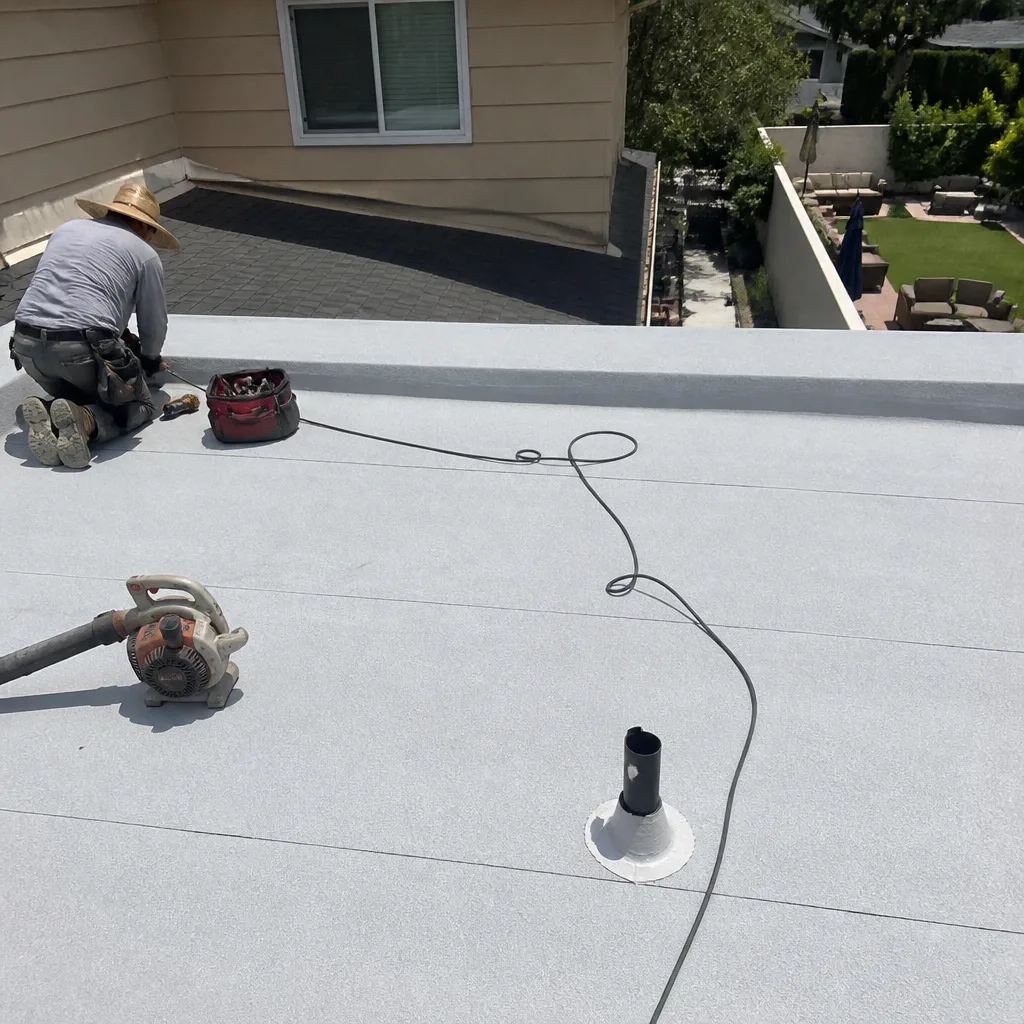 After
After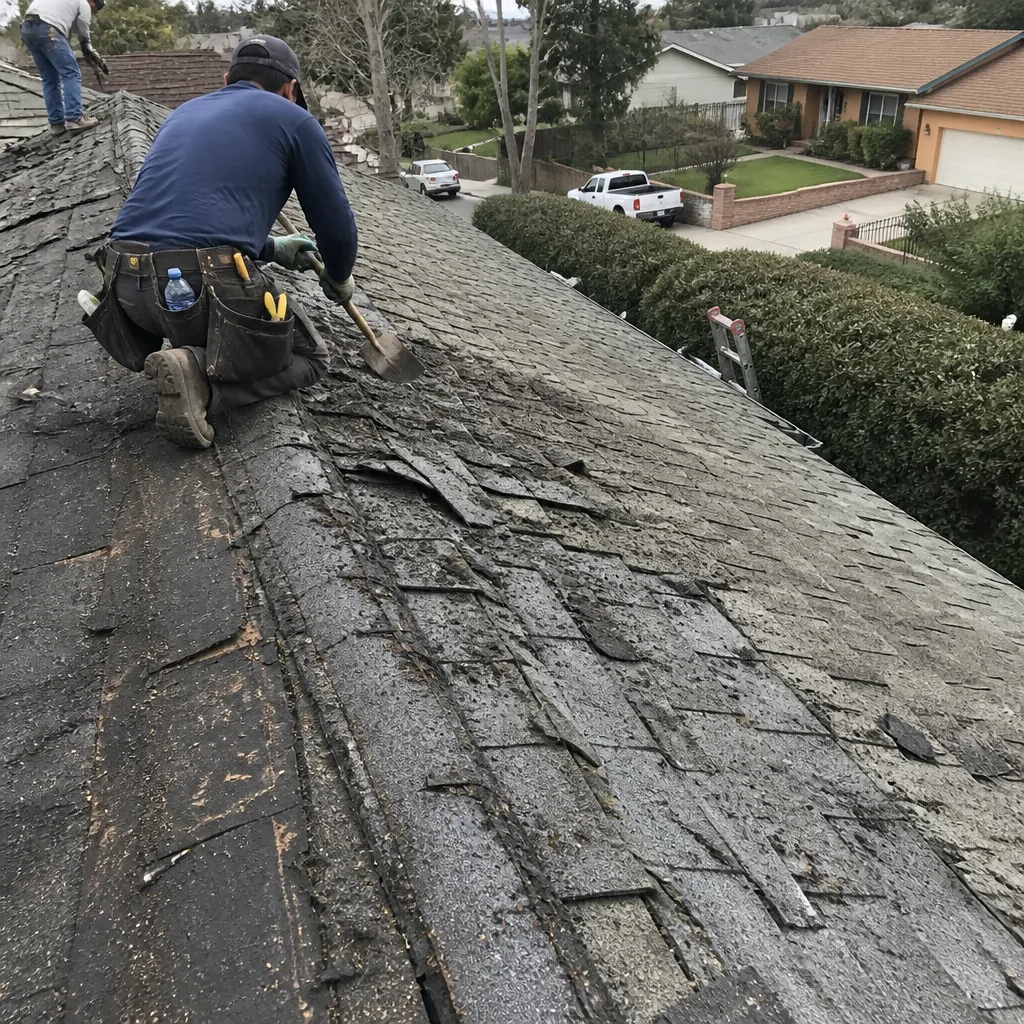 Before
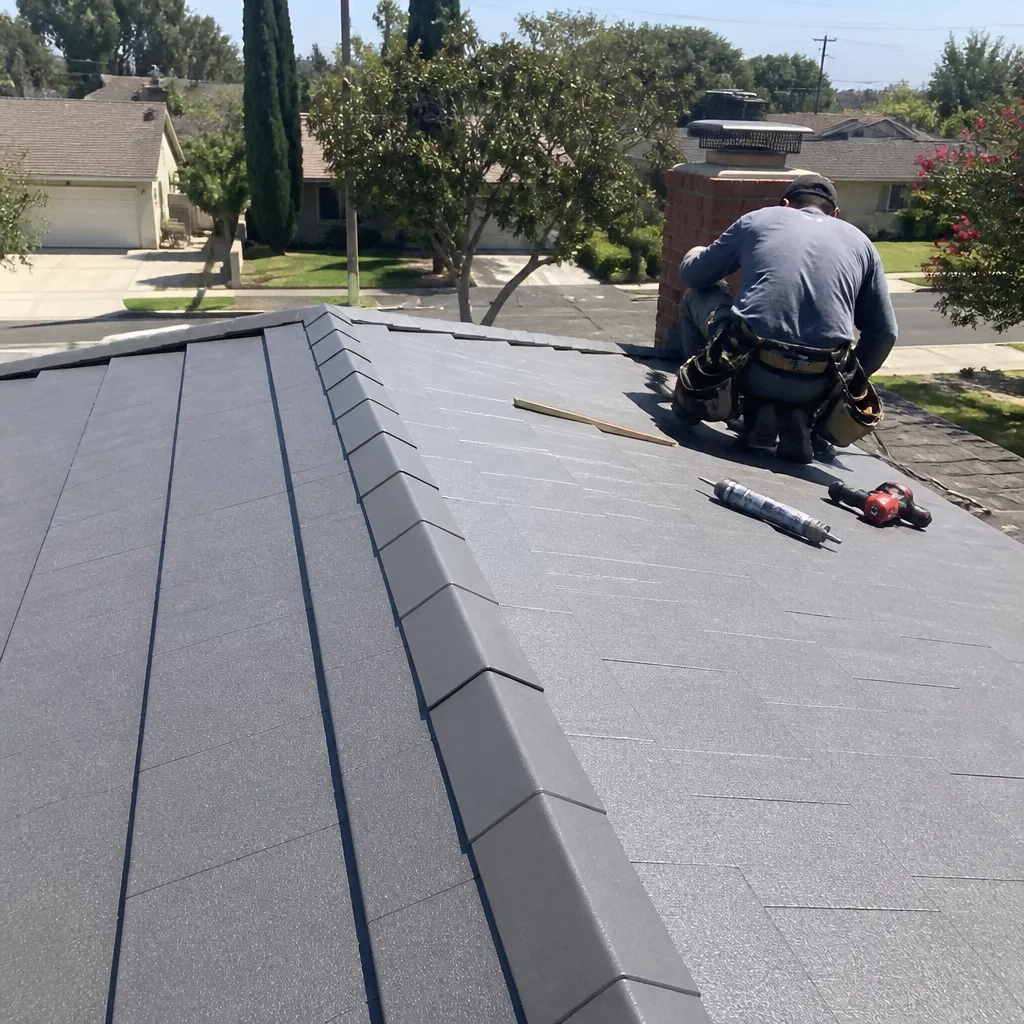 After
After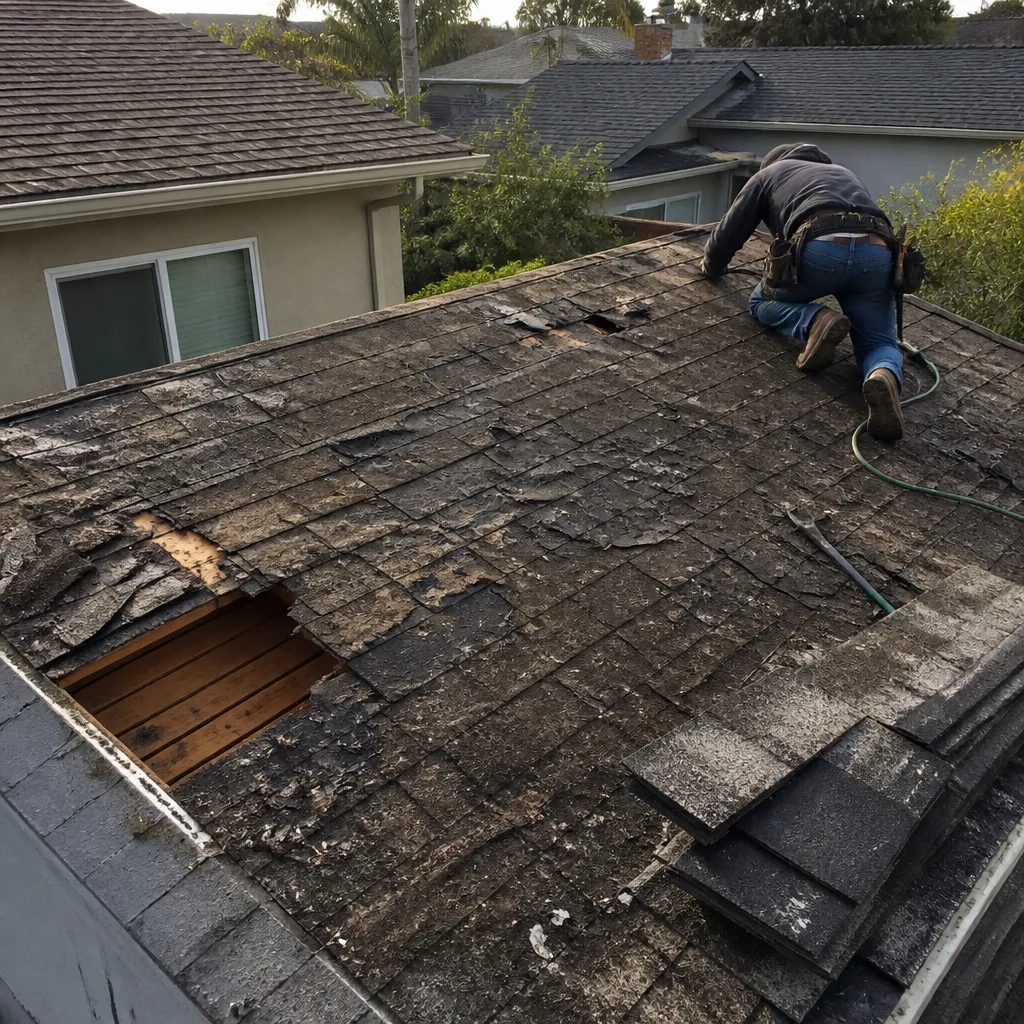 Before
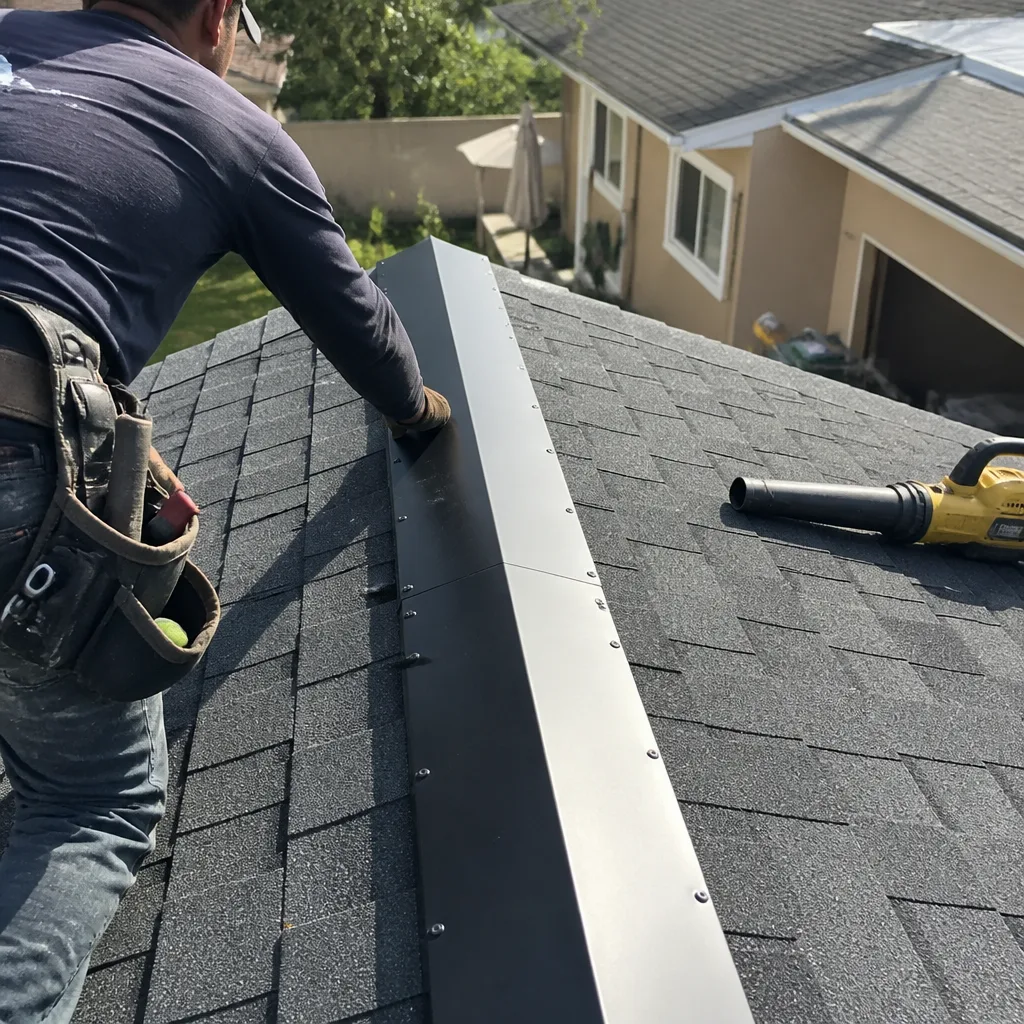 After
AfterRoof Repair Troubleshooting: Common Problems and How to Fix Them
A water stain on your ceiling is almost never directly below the actual leak. Water travels along rafters and sheathing before it drips, sometimes moving six feet or more from the entry point. Chasing the stain is how bad repairs happen. This guide teaches a source-first diagnostic method so you can describe the actual problem to a roofer, not just the surface evidence. If you live in Los Angeles, you’re dealing with a roof that endures months of intense UV exposure followed by sudden heavy rain, a combination that creates distinct failure patterns most generic roofing guides skip over.
Quick Answer
Roof troubleshooting means working backward from the symptom to the actual penetration point, not patching the first thing you see. Most “roof leaks” in Los Angeles are actually flashing failures, attic condensation, or ventilation problems. Start by documenting what you see, trace moisture to its source, and call a roofing professional who will diagnose before quoting. For more on what to watch for, read our Roof Repair Warning Signs Every Homeowner Should Know.
Table of Contents
- The Entry Point vs. Exit Point Framework
- Four Problems That Look Like Roof Leaks But Aren’t
- Granule Loss: Storm Damage vs. Normal Aging
- Flashing Failures: The Diagnostic Checklist
- What to Photograph Before a Roofer Arrives
- Los Angeles-Specific Roof Failure Patterns
- Common Mistakes to Avoid
- When to Call a Professional
The Entry Point vs. Exit Point Framework
Water enters your roof at one location, runs along the decking or a rafter, and exits somewhere else entirely. We’ve traced leaks in Los Angeles homes where the exterior penetration was near a chimney on the north slope, and the ceiling stain appeared in a bedroom on the opposite side of the house. That’s not unusual; that’s physics.
Here’s the method we teach every homeowner before they pick up the phone:
- Find the exit point: Mark the ceiling stain or drip location with painter’s tape. This is where water leaves the roof system, not where it enters.
- Look up and left-right: Water follows gravity, but it also follows the path of least resistance along lumber. Go into the attic if you have access and look for wet insulation, water trails on rafters, or darkened wood starting from the stain and moving upward.
- Trace the trail to the decking: The highest point of moisture on any rafter or piece of sheathing is your entry point candidate. Water does not flow uphill.
- Map that spot to the exterior roof surface: Measure from a fixed reference like a plumbing vent or chimney edge so a roofer can locate the same spot from outside.
- Confirm with a hose test only if safe: A controlled low-pressure water application starting low and moving up can confirm the entry point. We do this during inspections. Don’t do this from a ladder by yourself.
Why does this matter in Los Angeles specifically? Because many LA homes have flat or low-slope sections where water does not run quickly. It ponds. A tiny penetration can hold water for days after a storm, creating a stain far from the source and making the timing of the drip seem random. If you’ve ever thought “it only leaks sometimes,” that’s often why.
Once you know the entry point, you can describe the actual problem to a roofer instead of just pointing at a stain. That changes the conversation from guesswork to a real diagnostic discussion. The technicians we send out start with this same framework before touching anything, because misidentifying the entry point is how a repair gets done twice.
Four Problems That Look Like Roof Leaks But Aren’t
Before you pay for a roof repair, rule out these four impostors. They are common enough that we check them on nearly every Los Angeles inspection.
1. HVAC Condensation in the Attic
Your air handler or ductwork in the attic sweats. Warm attic air meets a cold duct, condensation forms, and water drips onto the ceiling below. This looks exactly like a roof leak. The tell is timing: condensation leaks happen on hot days when the AC runs hard, not after rain. Check for moisture on duct insulation or a small puddle directly below the air handler.
2. Attic Ventilation Failure
Los Angeles summers push attic temperatures well past 130 degrees. If your attic has inadequate venting, warm moist air from the house rises and condenses on the underside of cool roof sheathing at night. The water drips down and looks like a leak. Improve ventilation first: ridge vents, soffit vents, or a solar attic fan. Roofers see this all the time in homes built before current California energy codes.
3. Plumbing Vent Boot Deterioration
The rubber boot around your plumbing vent stack degrades under Los Angeles sun. Cracks form, and water seeps in around the pipe. This is technically a roof penetration repair, but homeownersoften describe it as a leak “near the bathroom.” It’s not the roof membrane failing; it’s a $40 boot that needs replacing. We include this in every inspection because it’s the most common repair we make after a false alarm.
4. Skylight Curb Flashing vs. Skylight Seal
A skylight leak is rarely the skylight itself. Usually it’s the curb flashing, the metal that connects the raised frame to the roof deck. Water runs down the glass, off the curb, under the flashing, and into the room. You see water, you think “skylight is leaking,” but the repair is flashing replacement, not a new skylight. Knowing the difference saves homeowners thousands.
Get these four checked before authorizing any roof repair. A reputable roofer will diagnose these anyway, but going in knowing what you’re looking for keeps the conversation honest. We tell every homeowner we work with in Los Angeles the same thing: if the leak doesn’t correlate with rain, it’s probably not the roof.
Granule Loss: Storm Damage vs. Normal Aging
Shingle granules protect the asphalt below from UV radiation. When granules go, the shingle begins to fail. But not all granule loss is the same. Determining which kind you have changes whether you file an insurance claim or budget for routine maintenance.
Normal Aging Granule Loss
Asphalt shingles shed granules over their entire life. After 10 to 15 years in Los Angeles sun, you’ll see granules in gutters and at downspout outlets. The shingles will look uniformly faded, and the surface will feel smooth rather than gritty. This is expected, not damage. Shingle brands like GAF and CertainTeed design their products to shed excess granules early, then stabilize. If your roof is nearing two decades old and you’re seeing even granule loss, you’re looking at a roof nearing replacement, not a repair issue.
Storm Damage Granule Loss
Hail impactor severe wind strips granules in patterns. You’ll see bare asphalt spots, especially on the leading edges of shingles facing the storm direction. If you inspect a downspout after a storm and see a line of granules that wasn’t there before, that’s impact loss. Hail damage shows up as round marks where the granule is gone but the mat underneath is intact. Wind damage shows up as missing tabs or shingles lifted at the adhesive strip.
The Los Angeles Reality
LA gets maybe one or two hail events a year, usually minor. Our bigger granule problem is thermal cycling: hot days, cool nights, repeated expansion and contraction. This causes granule loss in patches that look like storm damage but aren’t. An inspector who doesn’t know Los Angeles weather patterns may misidentify thermal blistering as hail impact and push an insurance claim that gets denied.
What to do: after any major weather event, take dated photos of your downspouts, gutter lines, and any bare spots you can see from ground level. Compare month to month. Granule loss progresses slowly with age, quickly after a storm. The pattern tells the story. If you’re not sure which category you’re in, an inspection with photo documentation answers it in one visit.
Flashing Failures: The Diagnostic Checklist
Flashing is the metal work that seals roof transitions: chimneys, skylights, walls, valleys, and HVAC curbs. It fails more often than the shingles themselves. In our experience across Los Angeles Roof Repair services, flashing accounts for a large share of leak calls, and it’s also the most frequently misdiagnosed element because it’s hard to see from the ground.
Here’s the checklist a technician should run before quoting any repair that involves flashing:
- Inspect the counterflashing and step flashing at every chimney: Look for gaps where metal has pulled away from masonry, cracks in the sealant, and rust-through. Los Angeles air quality accelerates metal corrosion, especially near freeways.
- Check skylight curb flashing: Verify that the soldered or taped corners are intact, the curb is properly flashed at the roof line, and the skylight itself is seated tight. Water at the frame usually means curb flashing, not a failed skylight unit.
- Inspect wall step flashing: Where roof meets a vertical wall, each shingle course should have a piece of metal that overlaps the course below. Missing or slipped step flashing lets water run behind siding.
- Check valley metal: Open valleys should have continuous metal run, not pieces butted together. Over time, expansion and contraction will pull seams apart.
- Inspect HVAC curb flashing: Rooftop AC units sit on metal curbs that need proper flashing at all edges. Over time, the roof membrane pulls away, creating a gap that leaks only when wind drives rain in a specific direction.
- Look for exposed nails in flashing runs: Any nail penetrating flashing without a gasket is a guaranteed entry point. Water finds those nails.
- Verify counterflashing is set into masonry, not just surface-caulked: Surface caulk fails in a few years. Proper counterflashing reglet cuts last decades.
We run this full list on every inspection in Los Angeles because these failures are consistent and expensive when missed. See our Roofing Company Maintenance Schedule: What to Do and When for a broader prevention framework. Flashing issues near chimneys and skylights are rarely visible from the ground, and a roof cleanup by a different company might not touch them. If a roofer quotes you without climbing up and checking these points, get a second opinion.
What to Photograph Before a Roofer Arrives
In our experience, the homeowners who get the best repair outcomes are the ones who start with documentation. This is especially true in Los Angeles, where older homes have mixed roof types and layered repair histories. Grab your phone and capture:
- The visible symptom: ceiling stains, drips, wall discoloration, bubbling paint. Wide shot first, then close-up.
- The attic view: insulation condition, wet spots, water trails on wood, daylight visible through gaps.
- Ground-level exterior: missing shingles, lifted tabs, sagging areas, flashing visible from the street, granule buildup in gutters.
- Date-stamped photos after storms: these are your evidence if you file an insurance claim later.
- Any prior repair work: patches, caulk runs, replaced sections. This shows a roofer the home’s repair history without them guessing.
Having these photos means that when a technician arrives, they start with a map rather than a search. It also protects you: if the first repair fails and the problem returns, you have a baseline record proving what the roof looked like before anyone touched it.
Los Angeles-Specific Roof Failure Patterns
Roofs in Los Angeles fail in predictable ways shaped by our climate, our codes, and our housing stock. Here are the patterns we see across the city, from Sherman Oaks to Torrance.
UV Breakdown of Underlayment
LA gets an average of 284 sunny days a year. That UV exposure breaks down not just shingles but the underlayment beneath. On older roofs, felt paper becomes brittle and tears when shingles are lifted for repair. We see this constantly on homes built before 2000 when synthetic underlayment wasn’t standard. If a repair involves lifting shingles and the underlayment disintegrates, a simple patch becomes a larger section re-work. That’s not an upsell; that’s reality. We write it into the price before starting so there are no surprises.
Pooling on Low-Slope Sections
Many Los Angeles homes, especially mid-century builds, have low-slope or flat sections over additions, porches, or carports. Water pools after winter rains, sits, and finds any penetration. We recommend homeowners inspect these areas within 24 hours after any significant rain. A puddle that remains after 48 hours is causing accelerated membrane breakdown.
Wind-Driven Rain from the North
Santa Ana winds come from the northeast and drive rain sideways. Entry points that would not leak under vertical rainfall will leak under wind pressure. This is why some LA homeowners only see leaks during specific storm types. A thorough inspection includes checking flashing orientation relative to prevailing wind direction.
Tile Roof Underlayment Wear
Concrete and clay tile roofs are common in Los Angeles. The tiles themselves last decades, but the underlayment below does not. We see tile roofs where the tile looks perfect but the underlayment is paper-thin and failed. Water runs under the tile, hits the failed underlayment, and leaks into the attic. Tile roof repairs require lifting tile carefully, which is why experience with LA’s tile inventory matters.
Common Mistakes to Avoid
- Patching the stain instead of the source: Caulking the ceiling stain or painting over it does nothing. The water is still entering above, running, and spreading. You’ve just hidden the evidence.
- Assuming a roof leak is always the roof: We covered the four impostors earlier. Ruling them out costs an inspection visit; replacing a roof due to HVAC condensation costs thousands.
- Ignoring granule loss on aging shingles: That “harmless” granule loss is your shingle’s asphalt layer breaking down. Letting it go means the shingles fail, then the decking gets water exposure.
- Trusting surface caulk as a permanent fix: Caulk has a lifespan of a few years, especially in Los Angeles sun. If a previous repair relied on caulk at a chimney or skylight, it’s a temporary band-aid, not a fix.
- Filing an insurance claim for normal wear: Standard homeowner policies cover sudden events like storm damage, not aging or lack of maintenance. Climbing on a roof after 20 years of deferred care and filing a claim usually results in a denial and a mark on your record.
- Choosing a roofer on price alone: The cheapest Los Angeles roof repair quote usually means fewer diagnostics, less documentation, and no written guarantee. You pay for the same repair twice.
When to Call a Professional
Call a roofer when you see active water in the living space, daylight through attic sheathing, missing shingles after wind, sagging rooflines, or granule loss progressing rapidly. Call when the leak is near a chimney, skylight, or wall intersection where flashing complexity demands an experienced eye. Call when you’ve had a previous repair and the same spot is leaking again; something was misidentified and needs source-level diagnosis. Mercer Roofing offers free estimates in Los Angeles and works with every major shingle brand, including Owens Corning and GAF. The call to (743) 200-8347 is answered by a live person, 24/7, and the price you get is written down before anyone starts.
Frequently Asked Questions
Minor roof repairs in Los Angeles typically range from $250 to $650 for things like replacing a plumbing vent boot, resealing flashing, or patching a small section of shingles. Moderate repairs like replacing chimney step flashing or re-flashing a skylight run $700 to $1,800 depending on access and extent. Full section replacements push higher. Call (743) 200-8347 for an exact quote: we provide a written price before any work starts, always.
In many cases, yes; smaller repairs can be completed in a single visit. Larger flashing rework or sections requiring underlayment replacement may take a day or two, depending on materials. Every Mercer Roofing repair in Los Angeles starts with a written price and a timeframe before work begins.
No. Our written quote is the price,unless we open up the roof and find structural damage hidden beneath. If that happens, we stop, show you photos, and get your written approval before proceeding. No surprise line items.
Most minor repairs in Los Angeles do not require permits. For larger sections or structural work, yes, we handle permitting. We will tell you upfront whether your repair needs one and include the cost and timeline in your written quote.
Properly done flashing replacement and shingle repairs should last 10 to 15 years or more, depending on the roof’s remaining life. Every Mercer Roofing repair includes a written guarantee for 365 days. If the repair fails within a year, we return and fix it free.
Track the timing. AC condensation leaks happen on hot days when the system is running hard, even with no rain. Roof leaks correlate with rain or the days immediately after. If the moisture appears on a dry summer day, check your attic for a sweating air handler or ductwork first. Call (743) 200-8347 if you need a professional to run that diagnostic for you.
The Bottom Line
Roof troubleshooting works when you start from the source, not the symptom. Trace the water back, rule out HVAC and ventilation issues, check flashing systematically, and document everything before anyone gets on a ladder. In Los Angeles, where UV exposure and thermal cycling create unique failure patterns, knowing what to look for saves you from paying for repairs you don’t need. When you’re ready for a professional diagnosis, Mercer Roofing sends a background-checked, photo-badged technician to your door, with a written price before any work starts and a 365-day guarantee on every repair. Explore more guides & resources on our blog. Call (743) 200-8347 to schedule your free estimate.
Written by Grant Whitlock, Owner at Mercer Roofing, serving Los Angeles since 2000.